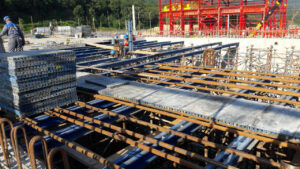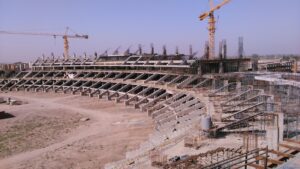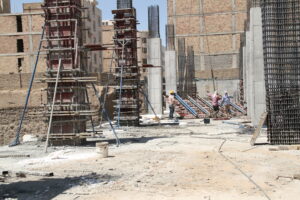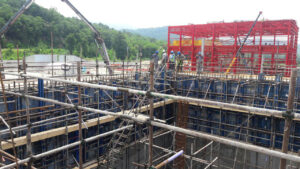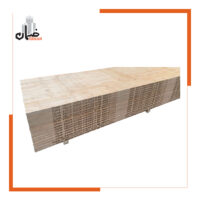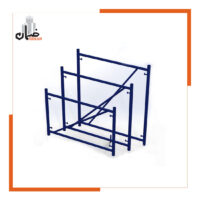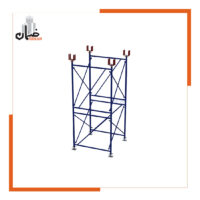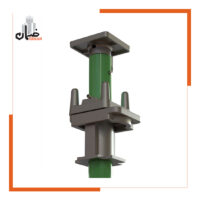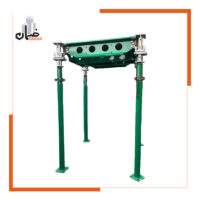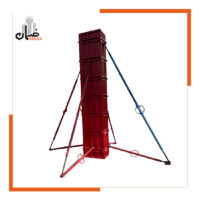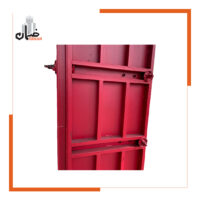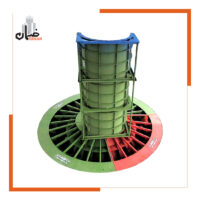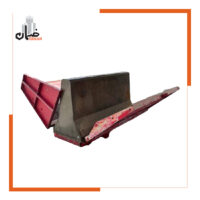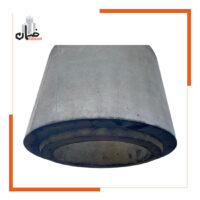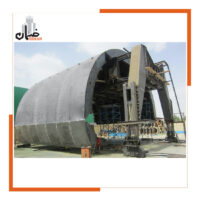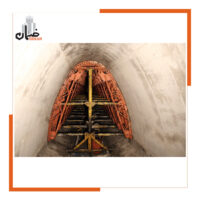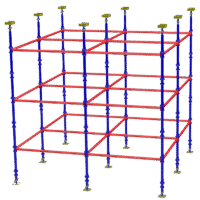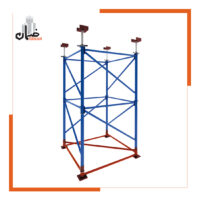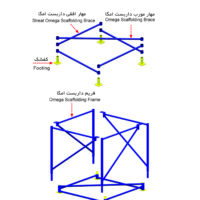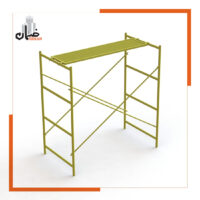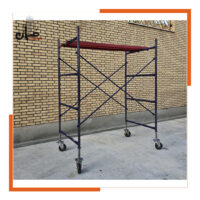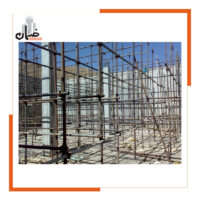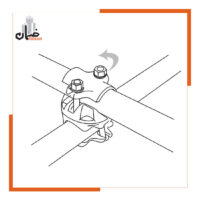




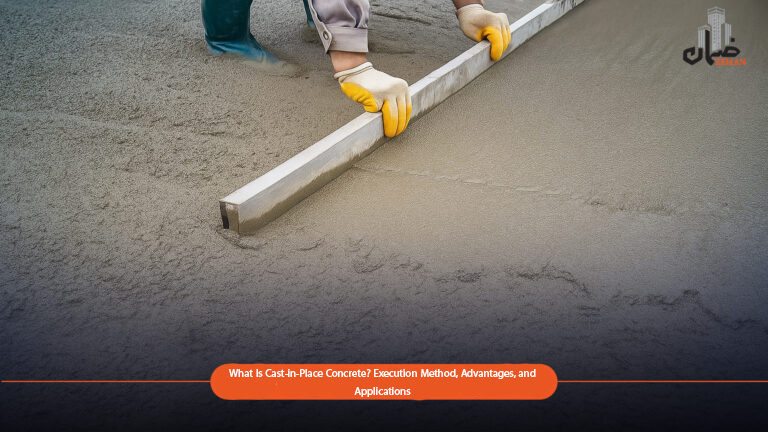
Cast-in-place concrete refers to a construction method in which concrete is directly formed and poured on the project site. In this method, unlike precast concrete elements, all concreting operations—including formwork, concrete placement, and concrete curing—are carried out on site.
In cast-in-place concrete formwork systems, there are two main types of formwork:
- Horizontal formwork, where forming is carried out from only one side (such as slab and floor formwork).
- Vertical formwork, which consists of two opposing form faces (one main or working form and one opposing or supporting form, as used in concrete walls).
It should be noted that Zeman Co. provides specialized and field-tested solutions for installing electrical components in cast-in-place concrete structures.
Features and Advantages of Cast-in-Place Concrete
- High-quality and durable technology suitable for harsh site conditions
- Multi-purpose reinforcing adapters for use in double-sided wall formwork
- Suitable for exposed concrete (Exposed Concrete), where surface appearance is critical
- Wide range of boxes and solutions for almost all concrete installation applications
Due to its high strength, long-term durability, and ability to create monolithic structures, cast-in-place concrete is widely used in the construction of buildings, foundations, and load-bearing walls.
Complete Comparison of Precast Concrete and Cast-in-Place Concrete
Most people are familiar with concrete, but many are unaware that there are different types of concrete with distinct applications. The two primary methods of concrete construction are:
- Precast Concrete
- Cast-in-Place Concrete
Even those familiar with basic concrete principles often do not fully understand the differences between these two methods. Below, both methods are examined to clarify their advantages and disadvantages and help make an informed choice.
1. What Is Precast Concrete?
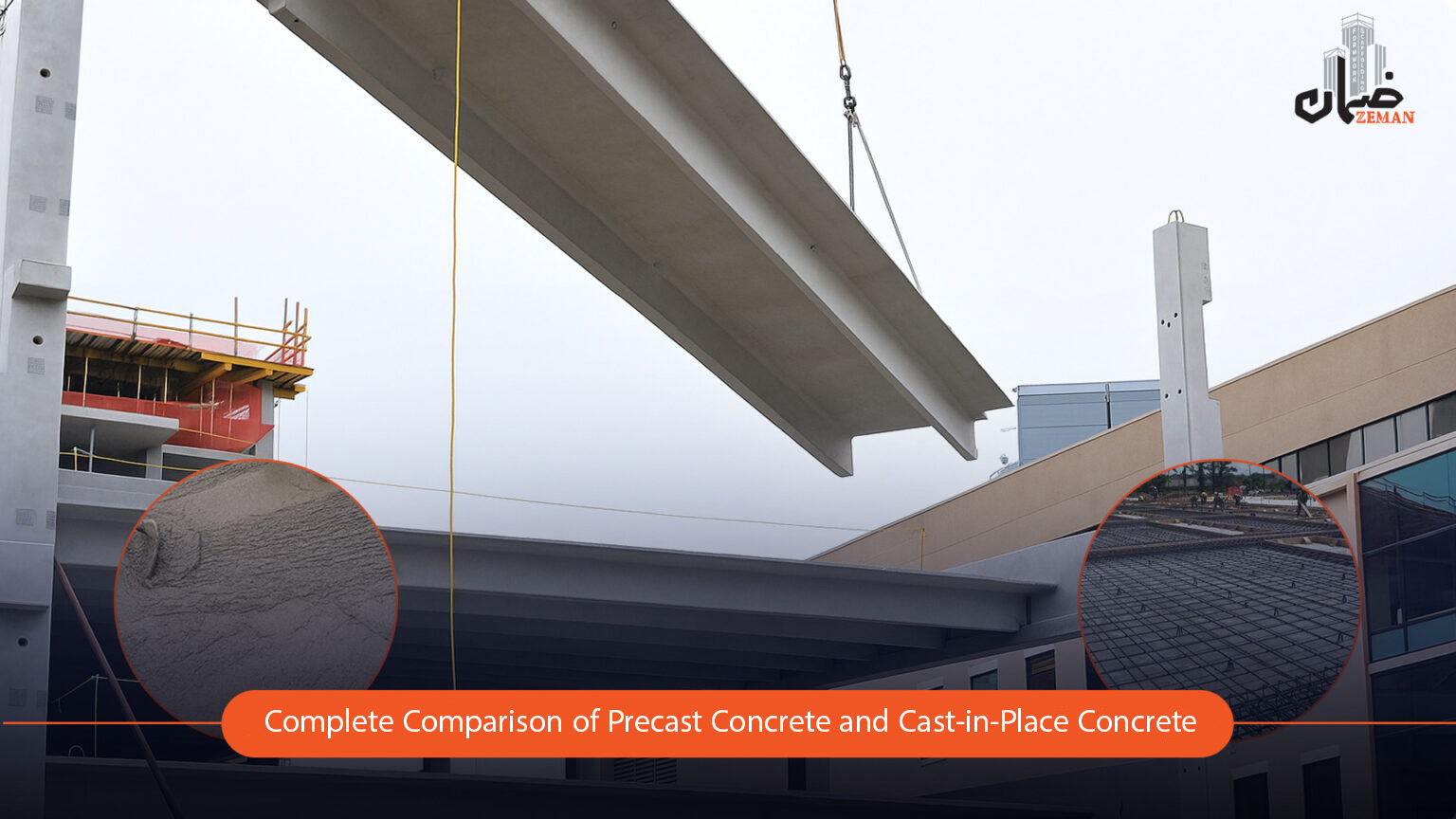
Precast or prefabricated concrete is poured into pre-made molds outside the construction site, cured under ideal controlled conditions, and then transported to the project location.
- On construction sites, curing conditions are rarely ideal; therefore, precast concrete generally achieves higher quality.
- Precast units can be produced in various shapes and sizes in controlled factory environments.
- Manufacturers typically use high-quality raw materials that may be difficult for local contractors to source.
- The finished precast panels are transported to the site and are ready for installation.
2. What Is Cast-in-Place Concrete?
Cast-in-place concrete, also known as site-cast concrete, is poured directly on the construction site into formwork to create the desired structural shape and then cured under site environmental conditions.
- No transportation of hardened concrete elements is required.
- Concrete is poured into formwork on site to achieve the project’s required geometry.
- This method typically requires more labor.
- Concrete curing may take several weeks, and adverse weather conditions can extend construction time by months.
Advantages of Precast Concrete
Compared to cast-in-place concrete, precast concrete offers the following advantages:
1. Simplified Materials and Logistics
- In precast construction, the main materials required are ready-to-install panels or units delivered to the site.
- Cast-in-place concrete requires ordering a wide range of materials and calculating precise mix proportions.
- As a result, precast concrete offers a simpler approach and reduces material ordering and preparation processes.
2. Faster Construction Time
Concrete curing is time-consuming and can take days or weeks. In precast construction, elements are already cured in the factory. Therefore, contractors can install panels immediately without waiting for concrete to gain strength, significantly reducing on-site construction time.
3. More Cost-Effective Option
Precast products such as panels or slabs are generally more economical than cast-in-place concrete. Although their upfront cost may seem higher, cast-in-place concrete requires labor for mixing and pouring, and material waste is common. Overall, precast concrete saves both time and cost.
4. Economical for Large-Scale Projects
In large projects, each construction day is critical. Long waiting periods for concrete curing increase costs and downtime, and weather risks can further complicate progress. Therefore, precast panels are often a cost-effective solution for large projects.
5. Full Quality Control
Precast concrete is manufactured under fully controlled conditions by specialists and subjected to strict quality control at every stage. This level of quality assurance is not achievable with cast-in-place concrete because:
- On-site labor may lack sufficient expertise.
- Continuous supervision of on-site concrete placement is difficult.
6. Minimal Site Preparation
Precast structures require minimal or no preparation on site, as installation is the primary activity. In contrast, cast-in-place concrete requires extensive preparation for mixing, formwork, and placement.
7. Independence from Weather Conditions
Precast concrete is cured under controlled temperature and humidity conditions, while cast-in-place concrete is highly affected by adverse weather, which may lead to cracking or reduced quality.
8. Reduced Labor Requirements
Precast concrete mainly requires labor for panel installation, whereas cast-in-place concrete requires labor for preparation, placement, and curing.
9. Insulation Integration
In precast concrete, insulation can be integrated directly into the panels during manufacturing. For cast-in-place concrete, insulation must be installed as a separate layer inside the building, requiring additional space and labor.
10. Specialized Reinforcement
Precast concrete allows for the use of specialized high-strength reinforcement, particularly for beams and load-bearing elements. Such diversity is more limited in cast-in-place concrete.
11. Surface Finishes
Precast concrete offers a wide range of surface finishing options, including:
- Form finish
- Acid-etched finish
- Sandblasted finish
- Exposed aggregate finish
- Polished finish
In contrast, cast-in-place concrete does not offer the same variety of surface finishes.
12. Design Flexibility
Precast concrete allows for greater design variety and customization options for architects and contractors, while cast-in-place concrete is more limited in this regard.
Precast concrete factories are equipped with a wide range of concrete formwork systems, enabling the execution of numerous designs. Conversely, cast-in-place concrete relies on limited formwork options, which imposes design constraints.
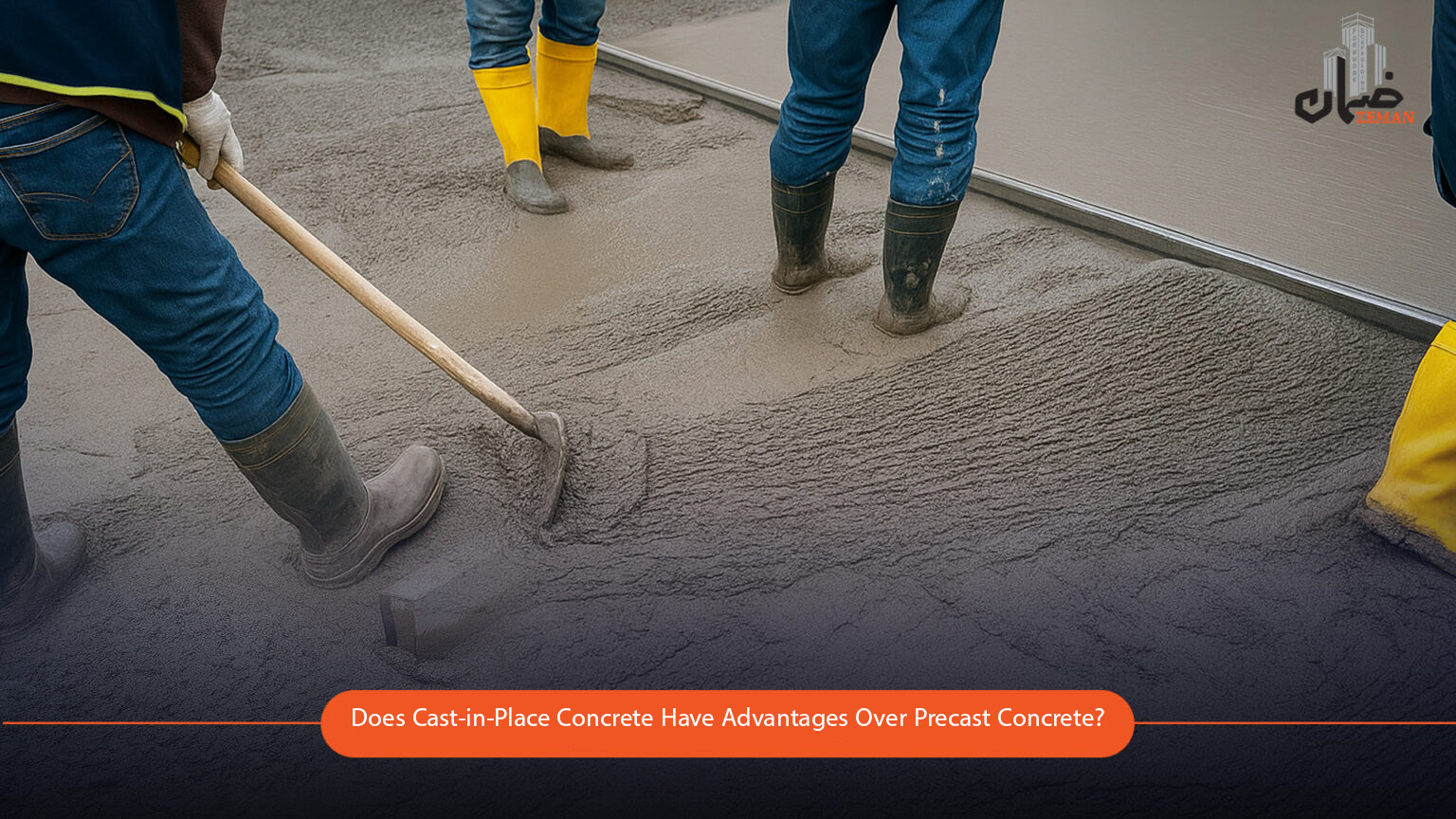
Does Cast-in-Place Concrete Have Advantages Over Precast Concrete?
Cast-in-place concreting also offers several advantages over precast concrete, including:
- Less need for lifting and transportation equipment: Precast concrete requires cranes and heavy lifting equipment to install panels, while cast-in-place concrete is poured directly on site and does not require lifting hardened elements.
- More economical for small-scale projects: Precast concrete is cost-effective for large projects, but for smaller projects such as single-family homes, cast-in-place concrete may be a more economical option.
| Factor | Precast Concrete | Cast-in-Place Concrete | Winner |
|---|---|---|---|
| Quality | Use of high-quality, premium materials | Use of locally available materials | Precast Concrete |
| Durability | Very durable due to high-quality materials | Uncertain durability due to material variability | Precast Concrete |
| Flexibility | Flexible in size, shape, finish, and reinforcement | Flexible in shape but limited in other aspects | Precast Concrete |
| Structural Strength | Higher strength due to controlled production and additional reinforcement | Limited by site conditions and lack of high-quality reinforcement | Precast Concrete |
| Cost | Higher initial cost, but cost-effective for large projects | Lower initial cost, but more expensive in large projects | Precast for large projects; Cast-in-place for small projects |
| Labor Dependency | Low, mainly required for installation | High, required for preparation, pouring, and curing | Precast Concrete |
| Site Preparation | Not required; installation only | Requires concrete and site preparation | Precast Concrete |
| Curing Conditions | Controlled, ideal environment | Dependent on site environmental conditions | Precast Concrete |
| Quality Control | High, with continuous supervision | Full supervision is not always possible | Precast Concrete |
| Installation Time | Requires panel installation | No installation time required | Cast-in-Place Concrete |
| Total Construction Time | Shorter due to elimination of preparation and curing time | Longer due to extended curing time | Precast Concrete |
| Transportation Cost | High | Low | Cast-in-Place Concrete |
| Construction Joints | Present at panel connections | Jointless, monolithic structure | Cast-in-Place Concrete |
| Need for Heavy Machinery | Required for panel installation | Not required | Cast-in-Place Concrete |
| Resistance to Seismic and Wind Loads | High due to reinforcement and structural flexibility | Variable | Tie |
| Dependency on Weather Conditions | Independent | Weather-dependent | Precast Concrete |
Conclusion
When choosing between precast concrete and cast-in-place concrete, precast concrete offers several significant advantages:
- Higher strength and durability
- Faster construction time
- More cost-effective for large residential and commercial projects
- Superior quality with greater variety in surface finishes and architectural design
However, for small-scale projects or situations where the use of heavy equipment is not required, cast-in-place concrete can be a more economical option.
To fully benefit from the advantages of precast concrete, it is essential to source it from reputable manufacturers that produce a wide range of customizable precast products, including:
- Wall panels
- Precast slabs and floor panels
- Basement walls
- Roof panels and similar precast elements
Frequently Asked Questions (FAQ)
In this section, we answer some of the most frequently asked questions about precast concrete and cast-in-place concrete. Stay with us.
1. Is precast concrete cheaper than cast-in-place concrete?
- For large-scale projects, yes—precast concrete is generally more cost-effective.
- For small projects, such as a single-family house, cast-in-place concrete is usually more economical.
2. Why is precast concrete better than cast-in-place concrete?
- Higher overall quality
- Lower total cost in large projects
- Greater variety of surface finishes and design options
- Faster construction timeline
- Overall advantages compared to cast-in-place concrete