




What Is H‑Frame Scaffolding and Why Is It Called the “Load‑Bearing Falcon”?
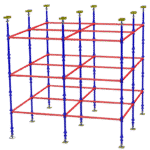
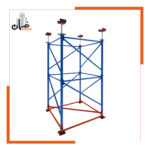
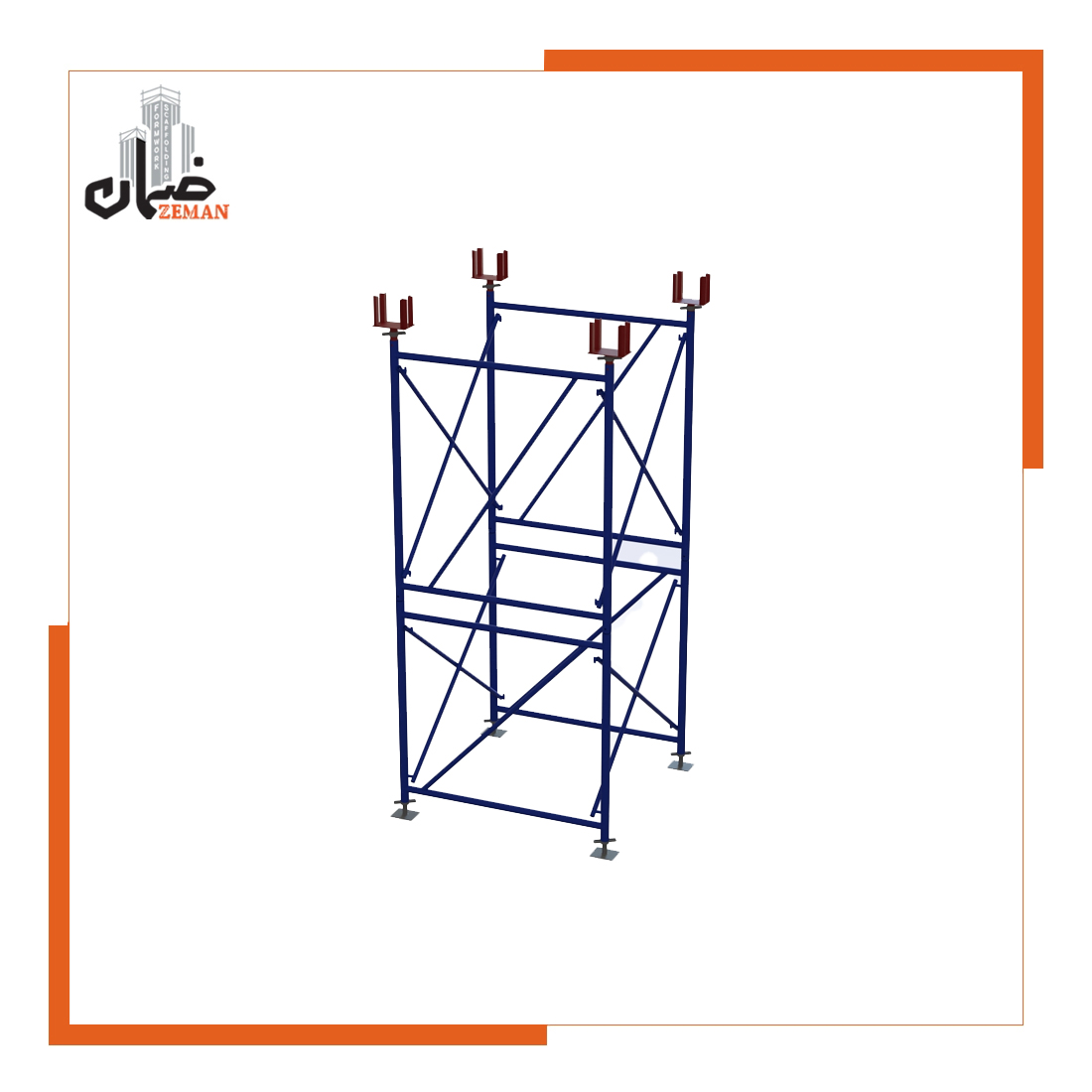
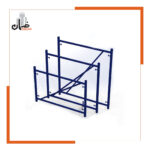
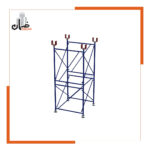
H‑Frame scaffolding, also known as H‑shaped scaffolding or H‑form shoring, is a heavy‑duty modular scaffold system composed of prefabricated frames shaped like the Latin letter “H.” Its primary distinction from conventional triangular scaffolding lies in the structural design and tube thickness, which enable it to withstand significantly heavier loads. Owing to its exceptional strength and its capability to support massive structures such as bridges and industrial slabs, this system has earned the title “Load‑Bearing Falcon” within the construction industry.
Compared with other scaffolding systems, the H‑Frame system offers the highest load‑bearing capacity through its main H‑shaped uprights. The primary uprights are manufactured from 60 × 30 mm steel tubes, while the X‑shaped braces are produced from 34 × 2.5 mm steel pipes. The thickness of the main uprights can be increased up to 4 mm. Each H‑Frame scaffold bay can safely support loads of up to 5.5 tons, making it exceptionally suitable for use in slab formwork support systems and plywood slab formwork (flying table systems) with maximum efficiency and ease of installation.
Key Advantages That Make H‑Frame Scaffolding the First Choice of Engineers
- Exceptional load‑bearing capacity:
H‑Frame scaffolding is designed to withstand extremely heavy concentrated and distributed loads. The use of thicker steel tubes and precision‑engineered frame geometry makes it the ideal option for bridge shoring and heavy‑thickness concrete slabs. - High assembly speed:
Despite its superior strength, the H‑Frame system employs a simple male‑and‑female connection mechanism. This allows execution teams to erect large load‑bearing grids in a short time and optimize overall project scheduling. - Integrated and engineered safety:
As a modular system, all components and connections are pre‑engineered and structurally calculated. This reduces the risk of human error and ensures a stable and inherently safe scaffolding structure. - Wide application in specialized projects:
Wherever extremely high load capacity is required, H‑Frame scaffolding can be utilized—from supporting heavy foundations to forming loading platforms in industrial projects. - High load capacity:
Each H‑Frame scaffold bay can support loads of up to 5.5 tons, making it an ideal solution for slab formwork. - Rigid connections:
The use of X‑shaped braces manufactured from 34 × 2 mm steel tubes provides excellent lateral stability. - Specialized application:
Suitable for slab formwork support systems and flying table formwork (plywood formwork systems), offering easy installation and high safety performance.
Specialized Applications: Where Does H‑Frame Scaffolding Excel?
- Bridge construction and mega civil structures: The primary application of this system is as a load‑bearing shoring scaffold in the construction of concrete and steel bridges.
- Shoring of heavy and elevated slabs: It is the best choice for slabs with large spans and thick concrete sections, such as multi‑storey car parks, industrial halls, and commercial complexes.
- Industrial and petrochemical projects: Used to create heavy support bases beneath industrial equipment and storage tanks.
- Heavy loading platforms: Employed for temporary platforms that must safely support extremely high loads.
H‑Frame Scaffolding Technical Specifications
| Parameter | Value |
|---|---|
| Standard frame height | 100 cm / 120 cm |
| Standard frame width | 150 cm / 200 cm |
| Tube thickness | 3 mm (heavy‑duty) |
| Load capacity per upright | Up to 14 tons (depending on bracing configuration) |
H‑Frame Scaffolding Components
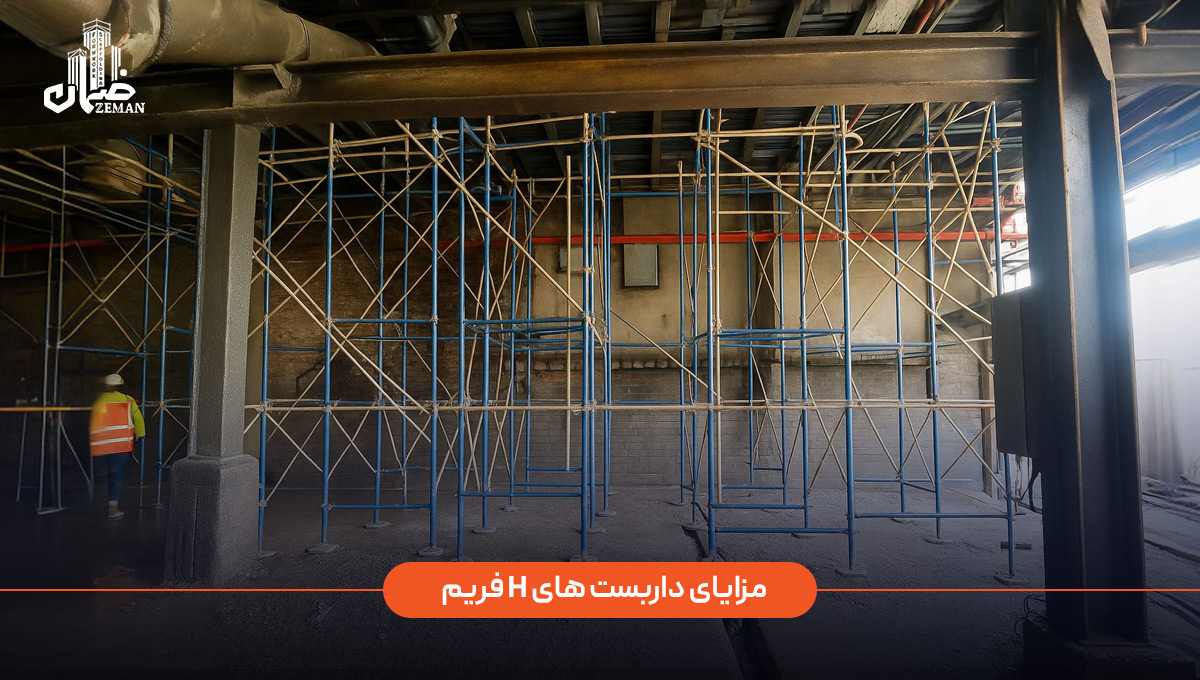
H‑Frame scaffolding (heavy‑duty shoring) is a modular scaffold system designed for concrete formwork support and safe access in structural projects. The main structure consists of vertical H‑frames, cross braces, pins and wedges, toe boards, and working platforms. Its simple design and rapid assembly make this system the professional choice for heavy and medium‑duty projects.
Vertical Frame (H‑Frame)
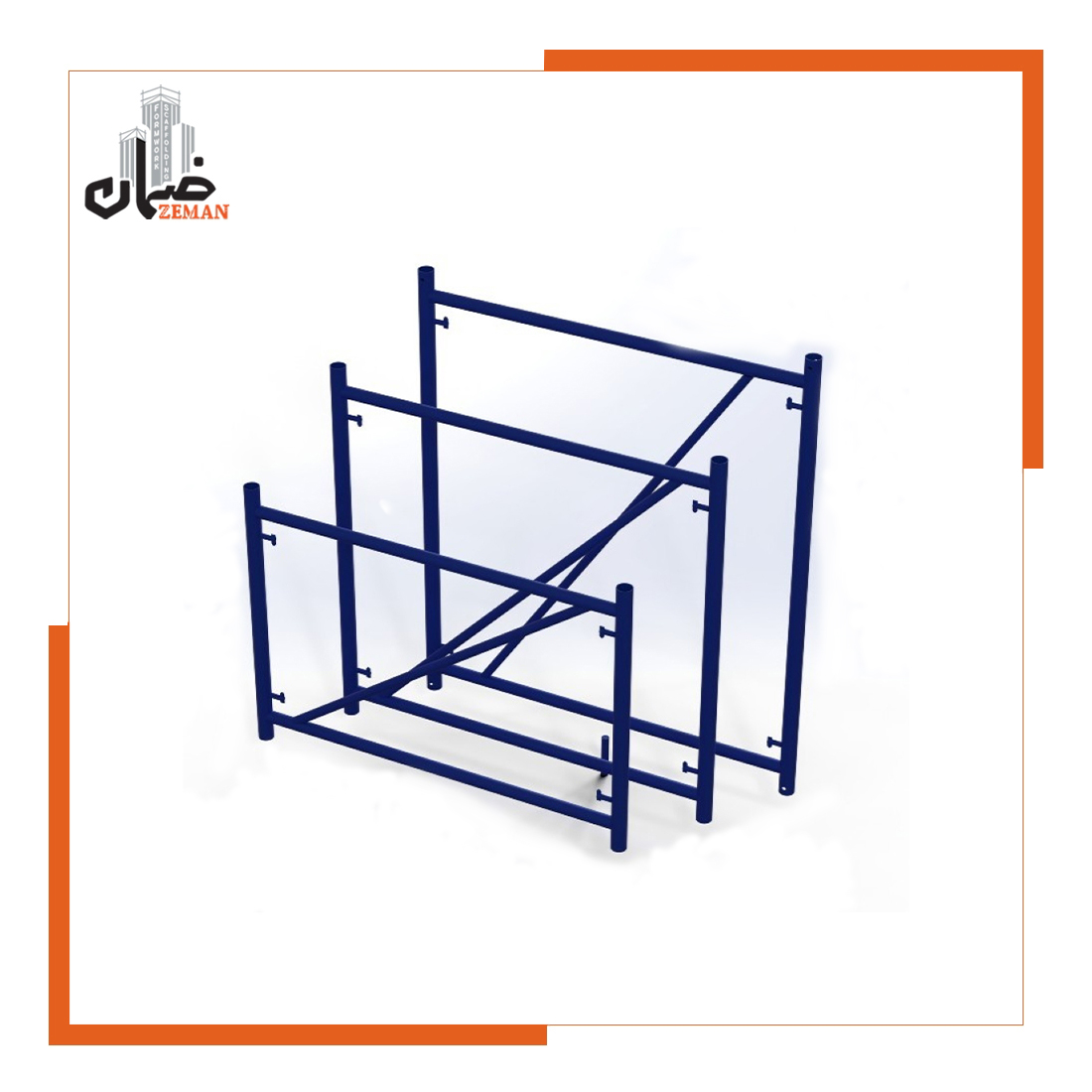
Two vertical uprights spaced at standard intervals and connected by a horizontal crossbar, either welded or bolted. The frames are typically manufactured from Q235/Q345 structural steel tubes with appropriate thickness to withstand concrete formwork loads.
Cross Brace
X‑shaped components used to improve lateral stability. These braces are connected through dedicated pins or clamps and allow fast installation for stiffening the scaffold bays at height.
Pin & Wedge
Used to securely connect frames and lock critical assembly points. The wedge‑lock design increases friction and prevents looseness under heavy loading conditions.
Working Platforms
Steel or timber platforms with anti‑slip surfaces, providing safe footing for work crews. Load capacities are selected in accordance with project standards, with proper spacing of transoms to ensure uniform load distribution.
Technical Specifications and Dimension Table of H‑Frame Scaffolding
Dimensions and tolerances are selected according to project requirements and applicable standards. Typical production specifications of Zaman are listed in the table below.
| Component | Specification | Description |
|---|---|---|
| Standard frame dimensions | 1219 × 1930 mm | Width × height; custom options available |
| Upright tube diameter / thickness | Ø42 × 2.2 mm | Q235/Q345 material, weld strength tested |
| Cross brace | Ø27 × 2.0 mm | Pin‑and‑wedge connection, anti‑corrosion coating |
| Surface finish | Hot‑dip galvanized or powder‑coated | Pre‑galvanized option available upon request |
| Reference standards | EN 12811 / OSHA 1926 | Compliant with work‑at‑height safety requirements |
| Typical loading capacity | Up to 18–24 kN per stage | Dependent on configuration, brace spacing, and base conditions |
| Connections | Pin & Wedge | G‑Clamp | Formwork Clamp | Compatible with Zaman modular formwork systems |

Reviews
There are no reviews yet.