




Precast Concrete Element Formwork
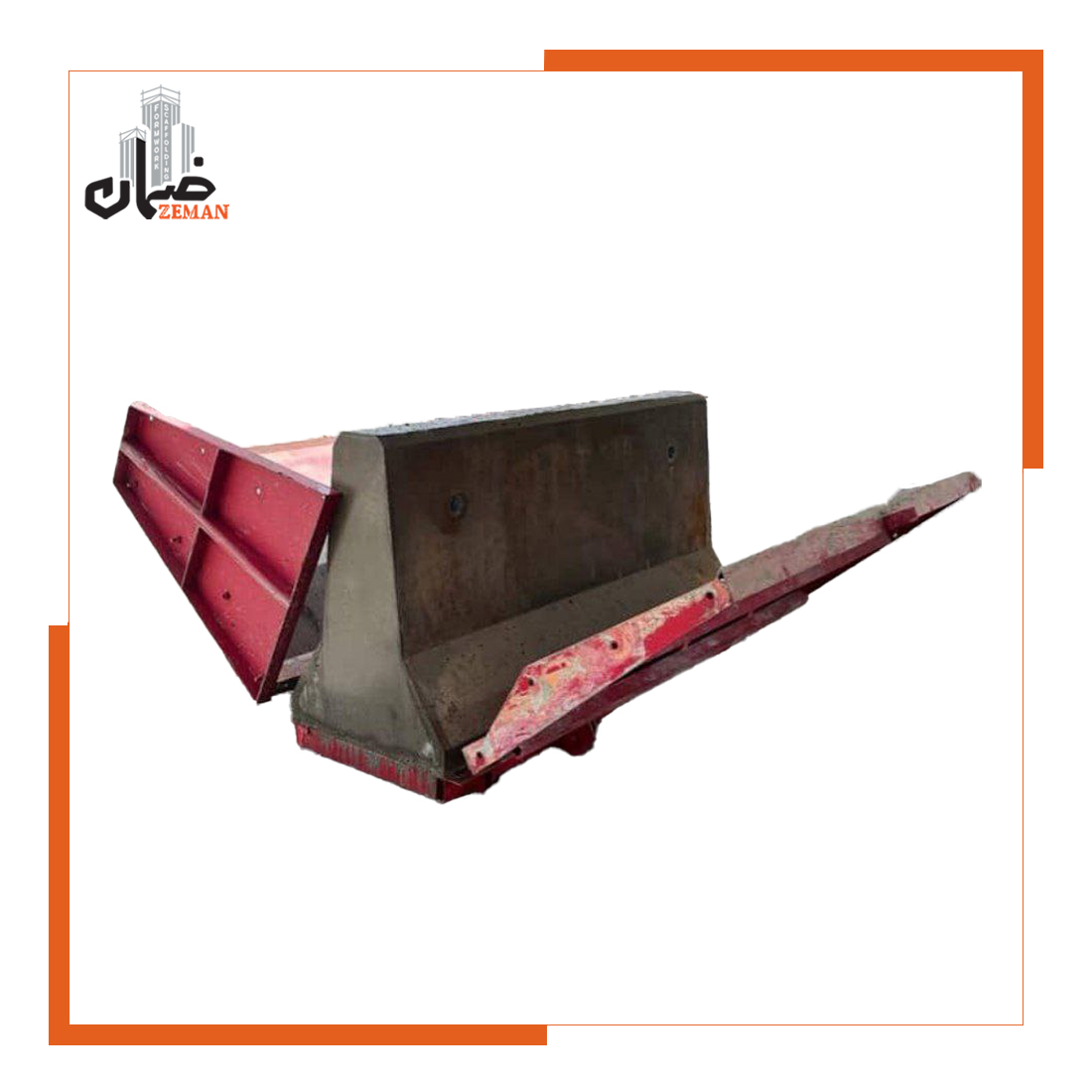
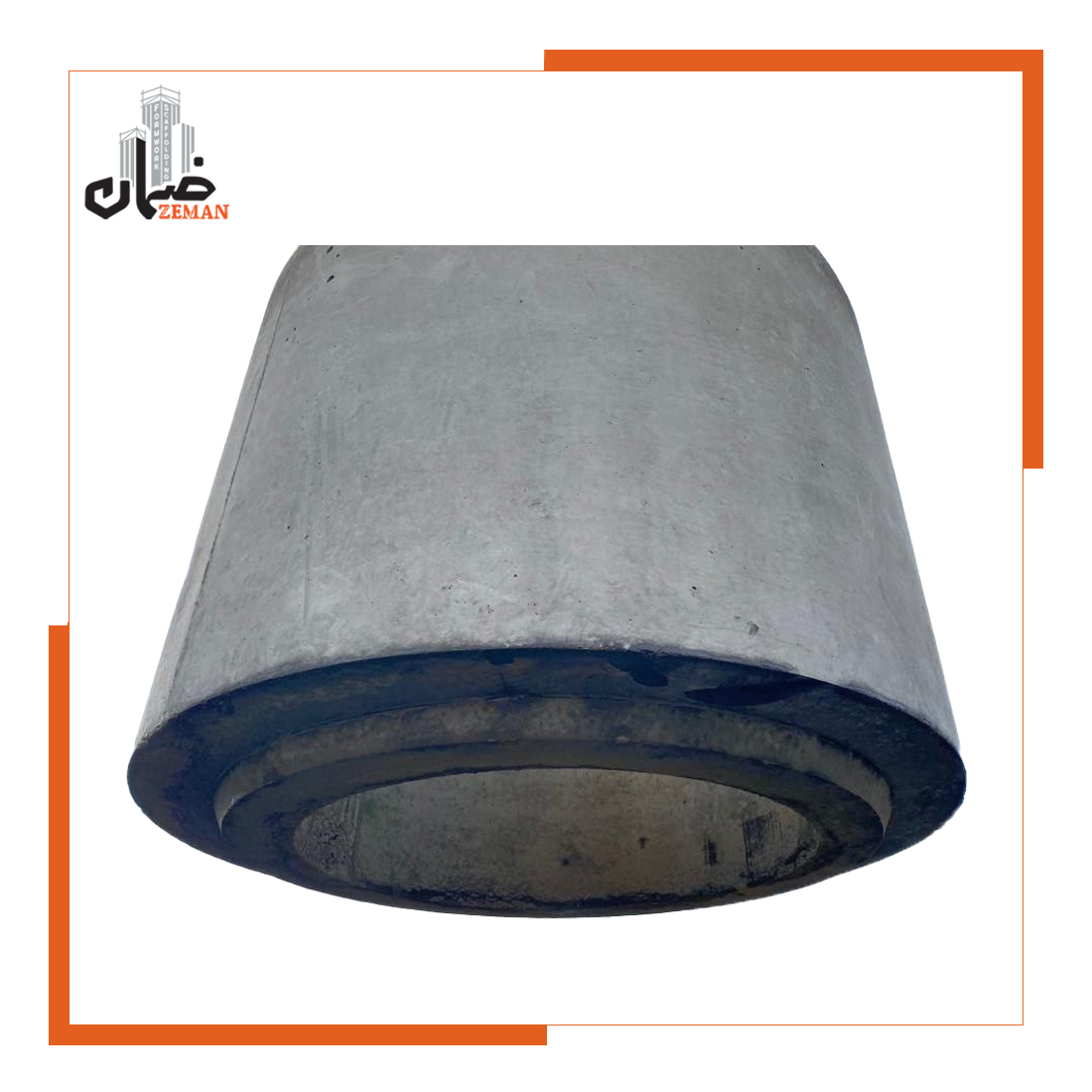
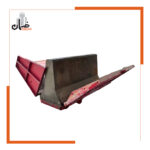
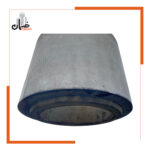
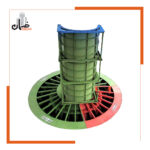
These formwork systems are widely used in the production of precast bridge beams, precast wall panels, precast slabs, manholes, curbs, New Jersey barriers, and breakwater elements. They are designed and manufactured based on drawings and technical specifications provided by the client. Precast concrete element formwork is engineered in such a way that, in addition to facilitating easy opening and closing operations, it offers the capability for repeated use over multiple production cycles. For this reason, the structural strength and rigidity of these formworks must be thoroughly considered during the design stage. Precast formworks are generally large in size and heavy in weight; therefore, crane equipment is required for their handling and operation.
Precast Concrete Element Formwork
Introduction: A Revolution in Construction Speed and Quality with Precast Concrete Formwork
In the dynamic landscape of the modern construction industry, precast concrete has emerged as a transformative paradigm that elevates speed, precision, and quality control to unprecedented levels. This approach involves manufacturing concrete elements in a controlled factory environment using precise and reusable formwork systems, after which the elements are transported to the project site and assembled with remarkable efficiency.
At the heart of this industrial revolution lies a critical tool known as precast concrete element formwork. These formworks are not merely containers for holding fresh concrete; rather, they are precision‑engineered devices that determine the final geometry, surface quality, dimensional tolerances, and ultimately the structural integrity of each precast component.
The modern and well‑documented history of precast concrete dates back to the mid‑twentieth century, when engineers recognized the immense potential of industrialized building component production. It soon became evident that the success of this method depends directly on the quality and durability of the formwork. Low‑quality formwork inevitably results in low‑quality products, nullifying the inherent advantages of precast concrete, including cost reduction and accelerated construction schedules.
Therefore, investing in well‑engineered and robust formwork is not an expense but a strategic investment in an optimized and reliable production process. This mindset reflects the maturity of an industry in which production tools are as critical as the final product itself. Zaman Company, as one of the pioneers in the specialized design and manufacturing of precast concrete formwork, is committed to delivering solutions that not only meet project requirements but also enhance productivity, durability, and economic efficiency for its clients.
Comprehensive Guide to Types of Precast Concrete Formwork: From Metal to Polymer
Selecting the appropriate formwork for precast concrete production is a critical decision that directly affects quality, cost, and project speed. Today’s market offers a wide range of formwork systems with different materials and applications. Understanding the distinctions and advantages of each type enables contractors and manufacturers to choose the optimal solution tailored to their specific needs. This section serves as a comprehensive guide that categorizes and analyzes the various types of precast concrete formwork.
Classification Based on Formwork Material: A Comparative Analysis
The material used in precast concrete formwork is the primary determinant of durability, reuse cycles, concrete surface quality, and initial investment cost.
Metal Precast Concrete Formwork (Steel and Aluminum)
Steel formwork systems are regarded as the gold standard in the industry due to their exceptional strength, long service life, and capability to be reused hundreds of times. Typically manufactured from high‑quality steel plates, these formworks produce perfectly smooth and uniform concrete surfaces, significantly reducing the need for secondary finishing.
Key advantages include water tightness, non‑absorption of concrete moisture, and ease of assembly and dismantling. Although steel formwork has a higher initial cost compared with other types, its extended lifespan makes it a highly cost‑effective option for large‑scale projects and mass production. Aluminum formwork systems share similar characteristics but offer lower weight due to reduced density, albeit with lower structural strength than steel.
Plastic Precast Concrete Formwork (Polymer / ABS)
These systems, considered among the latest technological innovations in the field, are manufactured from lightweight and durable plastic panels such as ABS. Polymer formworks are ideal for smaller projects involving repetitive elements, such as paving blocks or decorative precast components. Their light weight facilitates handling and transportation, while their non‑adhesive surfaces often eliminate the need for formwork oil and allow easy cleaning with water. However, their primary limitation is reduced flexibility in producing complex or highly customized shapes compared to metal or timber formwork.
Timber Precast Concrete Formwork
Timber formwork systems, among the most traditional methods, offer the highest degree of flexibility for creating complex, unique, or non‑repetitive shapes. This makes them suitable for architectural features or prototype production. Nevertheless, their main disadvantages include limited service life, sensitivity to moisture, and labor‑intensive fabrication and assembly, particularly in large‑scale projects.
Specialized Precast Formwork Systems (Permanent and Insulated)
To demonstrate comprehensive industry knowledge, it is essential to address advanced systems as well. Stay‑in‑place formwork remains embedded after concreting and functions as part of the permanent structure. Insulated Concrete Form (ICF) systems not only shape the concrete but also provide permanent thermal and acoustic insulation, making them suitable for energy‑efficient buildings.
Classification Based on Structural Application: A Guide to Selecting the Right Formwork
The precast formwork market is generally divided into two main categories:
- Standard modular formwork for common elements
- Special (custom) formwork for unique projects
The ability of a company to design and manufacture specialized and complex formwork reflects a high level of engineering expertise and production capability. A manufacturer capable of producing precise molds for tunnel components can certainly deliver flawless wall formwork as well. Mastery in custom projects is a strong indicator of the quality and reliability of the company’s standard products.
Precast wall formwork: This is the most widely used formwork type and is employed in the production of enclosure walls, fencing systems, industrial sheds, and both load‑bearing and non‑load‑bearing building walls. These formworks are manufactured as single‑face (one smooth side and one textured side) or double‑face (both sides textured) models.
Column and capital formwork: In addition to standard square or circular column formworks, customized molds can be designed for complex architectural capitals, such as Roman‑style capitals, which are commonly used in classical facades.
New Jersey barrier and traffic barrier formwork: These systems are designed for producing standardized concrete barriers used for traffic separation on roads and highways. Various types, including hinged models, are available for this application.
Infrastructure structure formwork: This category comprises highly specialized formworks for large‑scale civil projects:
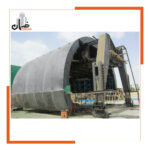
- Tunnel formwork: Systems such as Tunnel Form are used for monolithic construction of tunnel walls and roofs, as well as lining formworks for the final cladding of tunnel interiors.
- Concrete box and manhole formwork: Used for underground water channels, underpasses, and access manholes for urban utilities.
- Bridge beam formwork: Designed and manufactured for producing massive prestressed beams used in bridge decks.
- Special and custom concrete formwork: This is where a manufacturer’s highest level of expertise is demonstrated. It includes all non‑standard formworks designed and produced based on precise project‑specific drawings, such as waffle slab formwork, accropode molds for coastal breakwaters, and complex molds for modern architectural façade elements. Producing these systems requires precise engineering calculations and advanced manufacturing technologies.
Get expert advice
Our sales experts at Zaman are ready to provide guidance and advice before your purchase.

Reviews
There are no reviews yet.