




Double-Sided Wall Formwork
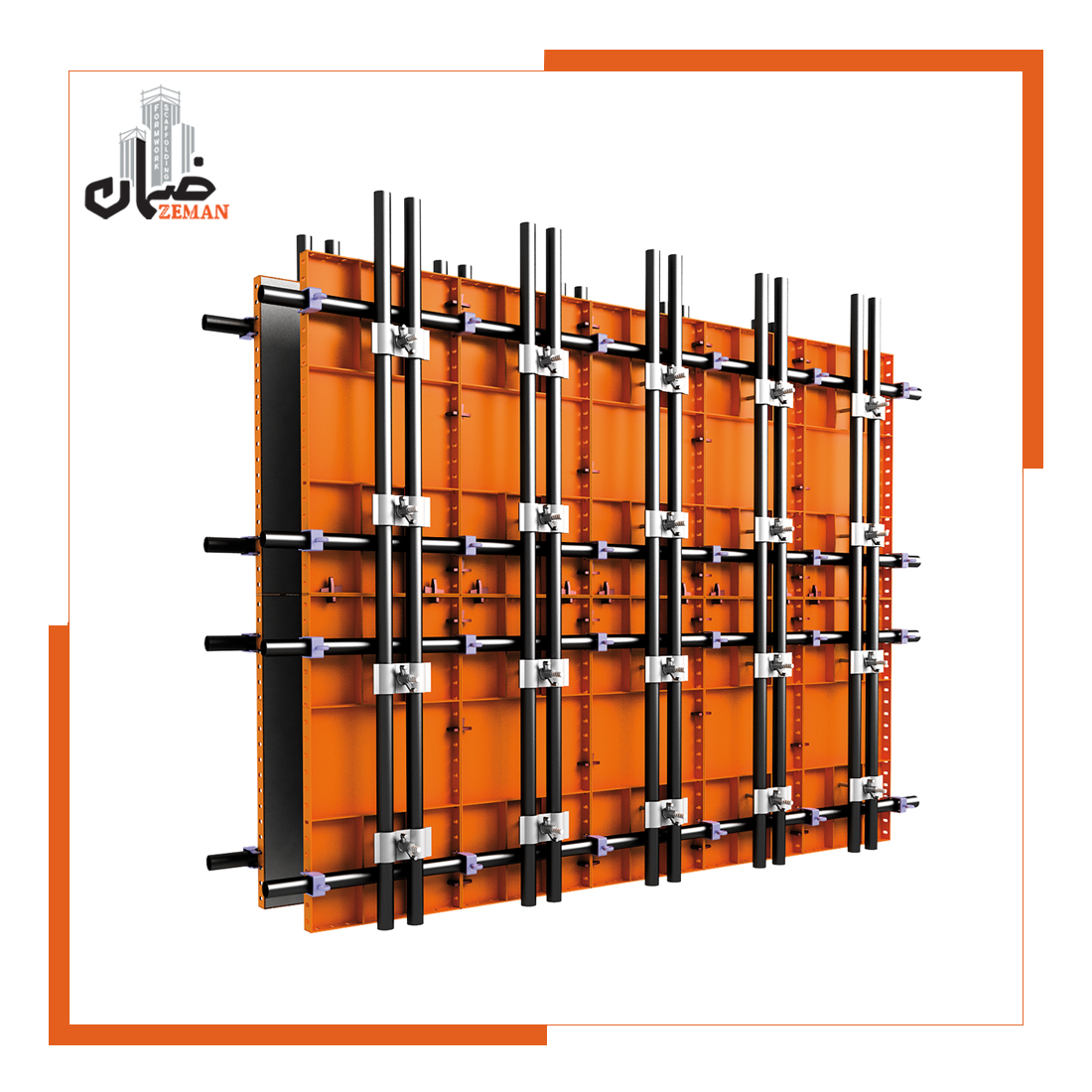
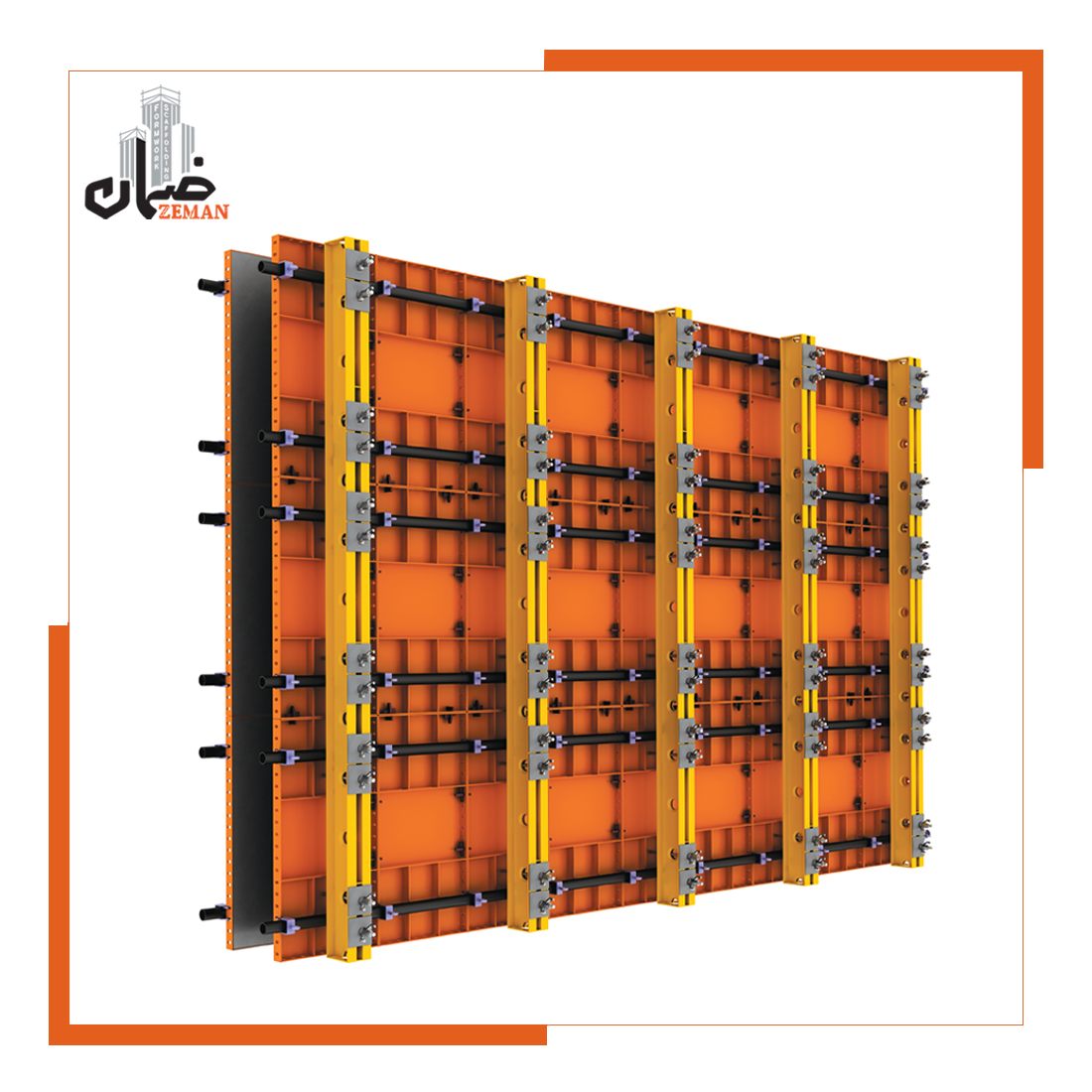
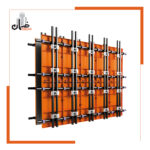
Double-sided wall formwork is a professional and robust solution for the construction of thick and high-rise concrete walls. By utilizing metal or modular formwork panels on both sides of the wall, this system maximizes concrete surface quality and effectively withstands the pressure exerted by fresh concrete. Double-sided formwork significantly improves execution speed and structural durability, making it ideal for large-scale industrial, building, and civil engineering projects. In this method, both sides of the wall are enclosed by formwork panels, and concrete is poured and shaped within the space between them. In essence, the formwork acts as a rigid barrier that restrains fresh concrete until the setting and hardening process is completed.
Double-Sided Wall Formwork
What Is Double-Sided Wall Formwork?
Double-sided wall formwork is one of the most important and widely used methods for the construction of concrete walls with significant height and thickness. In this method, formwork panels are installed simultaneously on both sides of the wall, and the space between the panels is filled with fresh concrete. Due to its high resistance to fresh concrete pressure and its ability to withstand lateral loads, double-sided wall formwork is extensively used in large-scale industrial projects, dam construction, high-rise buildings, and retaining walls.
Wall formwork is executed using modular panels, and in the construction of any concrete wall, three key parameters must always be considered. The formwork design should be determined based on these parameters:
- Restraint of lateral concrete pressure
- Wall height
- Overall stability of the formwork system
Components of the Double-Sided Wall Formwork System
The double-sided wall formwork system consists of several critical components that ensure the correct performance and structural integrity of the formwork. The main components of this system are as follows:
Modular Panels
These panels are connected to each other using male and female wedges and form the primary structure of the double-sided wall formwork.
Double-Threaded Tie Rods and Water-Stop Tie Systems
These bolts are used to resist the lateral pressure of fresh concrete. The tie rods pass through aligned holes in opposing panels and are connected to soldiers using wing nuts and bearing plates. They are also connected to vertical walers (paired scaffold tubes) using double-pipe washers and wing nuts. The horizontal spacing of these tie rods is approximately 1 meter, while the vertical spacing is about 0.5 meters. For cost efficiency, the upper tie rods of the wall can be installed at 1-meter vertical intervals.
Scaffold Tubes
These tubes are installed horizontally at vertical intervals of 0.5 meters and are connected to the panels using swivel or fixed couplers to enhance the rigidity of the formwork.
Soldiers
Soldiers are installed vertically at horizontal intervals of approximately 1 meter and are responsible for resisting the hydrostatic pressure exerted by fresh concrete.
Hook Tie Bolts
These bolts are connected to the soldiers using wing nuts and bearing plates and link the soldiers to the scaffold tubes (horizontal walers), ensuring full stability and rigidity of the formwork system.
Advantages of Double-Sided Wall Formwork
- Creation of smooth and uniform surfaces: Double-sided wall formwork produces perfectly smooth, even, and wave-free surfaces on both sides of the wall, enhancing aesthetic quality as well as structural performance.
- High resistance to fresh concrete pressure: The formwork systems used are designed to withstand significant fresh concrete pressure without deformation, which is crucial for maintaining accurate wall dimensions.
- Reusability of formwork: Metal and modular formwork used in double-sided wall systems are highly durable and can be reused multiple times across different projects.
- Increased construction speed: The installation, bracing, and dismantling processes are fast, resulting in time savings and overall project cost reduction.
Equipment Used in Double-Sided Wall Formwork
Proper and safe execution of double-sided wall formwork requires the use of standard, high-quality, and durable equipment. Such equipment increases execution speed, dimensional accuracy, and the overall lifespan of the formwork.
Main Equipment Components for Double-Sided Wall Formwork
- Metal or Timber Formwork Panels: Metal formwork panels are the most commonly used due to their high strength, resistance to fresh concrete pressure, and reusability. Timber formwork is usually applied in small-scale, temporary, or low-budget projects.
- Pins and Wedges: These components are used to firmly and accurately connect formwork panels and prevent movement during concrete placement.
- Clamps: Clamps act as robust locking elements that keep various formwork components fixed in position.
- Plumbing Jacks: These are used to align the formwork vertically and ensure the exact plumbness of the concrete wall during execution.
- Tie Rods and Water-Stop Ties: These components maintain precise spacing between the two formwork faces and control the lateral pressure of fresh concrete.
The Role of Equipment Quality in Project Success
Using high-quality equipment in double-sided wall formwork increases the service life of the formwork, reduces maintenance and replacement costs, and improves the final concrete surface quality. Standard equipment also minimizes the risk of deformation and concrete leakage while enhancing overall site safety.
How Is Double-Sided Wall Formwork Executed?
The execution of double-sided wall formwork is a precise, step-by-step process. Adherence to technical principles at each stage significantly affects the final quality of the concrete wall. Each step must be carried out with high accuracy and standard equipment to ensure safety and achieve a smooth, durable surface.
1. Site Preparation
Before starting, the construction area must be completely cleaned and leveled. Reinforcement installation and preparation of a suitable base capable of supporting the weight of the formwork and concrete are also completed at this stage.
2. Installation of One Side of the Wall Formwork
One side of the wall is initially assembled using metal or timber formwork. The formwork must be perfectly level and plumb to achieve accurate final geometry during concreting.
3. Installation of Connection and Spacing Components
Tie rods, water-stop ties, and spacers are used to control the distance between the two formwork faces and ensure uniform resistance to lateral concrete pressure.
4. Installation of the Opposite Formwork Side
After ensuring the stability of the first side, the opposite formwork panels are installed and secured using pins, wedges, and clamps.
5. Plumb and Level Control
Plumbness and alignment are checked and adjusted using plumbing jacks and measurement tools. This step is critical to prevent wall deviation.
Preparation of Double-Sided Wall Formwork Equipment
Prior to installation, all equipment used in double-sided wall formwork must be carefully inspected and prepared. Proper preparation significantly improves execution speed, concrete surface quality, and reduces potential errors.
Equipment Preparation Stages
- Inspection of formwork panels and connections: All metal or timber panels, including pins, wedges, clamps, and jacks, must be checked for integrity, strength, damage, or corrosion.
- Cleaning formwork surfaces: All hardened concrete residue and dust must be removed to ensure a smooth concrete finish.
- Application of formwork release oil: Release agents facilitate easy stripping of formwork after concrete setting and prevent surface damage.
- Dimension checks according to drawings: Formwork dimensions and spacer placements must match the execution drawings.
Methods for Controlling Lateral Concrete Pressure
- Use of tie rods and water-stop ties to distribute pressure evenly
- Installation of horizontal and vertical bracing systems
- Control of concrete pouring rate to prevent sudden pressure increase
Use of Plumbing Jacks
Plumbing jacks are essential tools in double-sided wall formwork, responsible for maintaining vertical alignment and preventing wall deformation.
Advantages of Plumbing Jacks
- Higher precision in formwork alignment
- Prevention of deformation and displacement
- Stabilization of formwork until concreting is completed
Quality of Connections and Formwork Panels
Strong connections and intact formwork panels are critical to the final quality of the concrete wall.
Methods for Improving Quality
- Use of standard, high-strength components
- Regular inspection before and after concreting
- Proper maintenance and protection against corrosion
Difference Between One-Sided and Double-Sided Wall Formwork
One-sided and double-sided wall formwork are the two primary methods for constructing concrete walls, each with specific applications and characteristics.
In one-sided wall formwork, the formwork is installed on only one side of the wall, while the opposite side bears against soil, an existing wall, or another fixed structure. This method is typically used for low-height walls or where one side is inaccessible, offering faster execution and lower cost.
In double-sided wall formwork, panels are installed on both sides and the space between them is prepared for concrete placement. This method requires higher precision, skill, and equipment but is preferred for tall walls, retaining walls, and critical structures requiring superior strength and finish.
Metal Formwork in Double-Sided Wall Construction
Metal formwork is a key element in double-sided wall formwork due to its exceptional strength, durability, and performance. These formworks are typically manufactured from steel or aluminum.
Advantages of Metal Formwork
- High load capacity against fresh concrete pressure
- Long service life and high durability
- Smooth and high-quality concrete surface finish
- Fast installation and dismantling
- Adaptability to various wall sizes and geometries
Get expert advice
Our sales experts at Zaman are ready to provide guidance and advice before your purchase.

Reviews
There are no reviews yet.