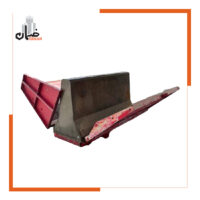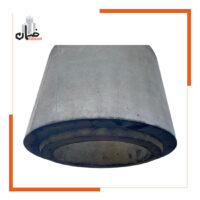




In the construction industry, formwork bolts play a vital role in the creation of concrete structures. This simple yet powerful component acts as a key fastening element, keeping the formwork panels securely in place and preventing deformation under the pressure of fresh concrete. If you are looking for a comprehensive understanding of formwork bolts, this guide will help you become familiar with their types, applications, and key purchasing considerations. At Zemanco, by offering high-quality
concrete formwork systems,
we help you execute your projects with confidence.
What Is a Formwork Bolt?
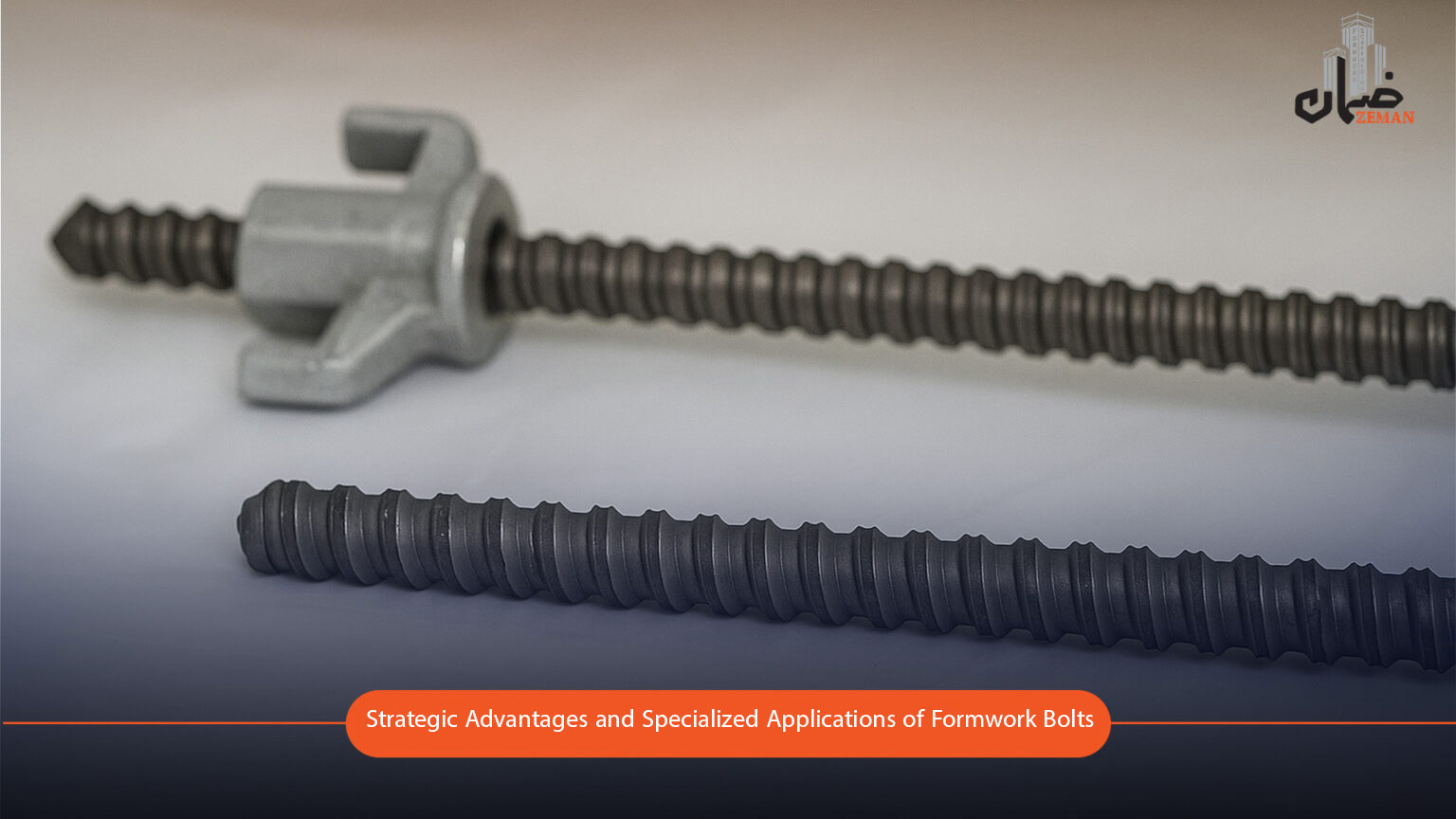
A formwork bolt, sometimes referred to as a tie bolt or formwork screw, is a cylindrical metal component with threading that is used to connect and secure concrete formwork panels. These bolts are typically manufactured from steel rebar (commonly 16 mm in diameter), and their primary function is to withstand the lateral pressure of fresh concrete while maintaining the correct spacing between formwork faces. Without formwork bolts, panels may shift under the weight of the concrete, compromising the final quality of the structure.
The Strategic Role of Formwork Bolts
The role of formwork bolts goes far beyond that of a simple connector; they function as critical restraints against the lateral pressure of fresh concrete. Due to its hydrostatic behavior, freshly poured concrete exerts significant and variable pressure on formwork walls. If this pressure is not properly controlled, it can lead to displacement, deformation, or even collapse of the formwork. By providing strength and stability, formwork bolts directly prevent such failures and ensure the final structure takes shape exactly according to the design drawings. This vital function elevates the formwork bolt from a secondary accessory to an essential component for site safety and construction quality.
Analyzing the Bolt’s Role Within an Integrated System
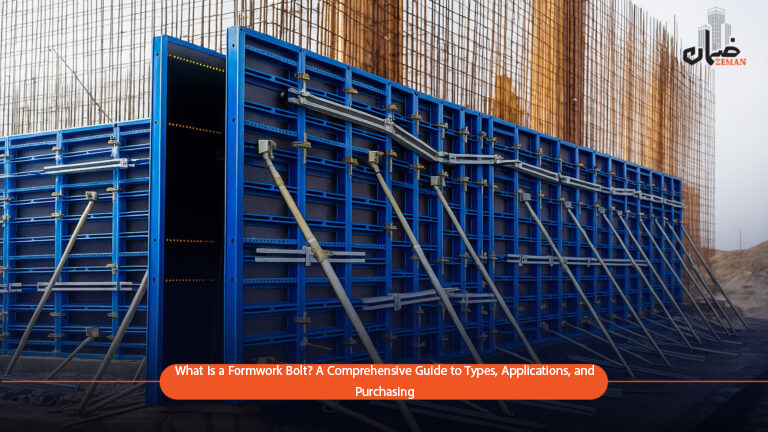
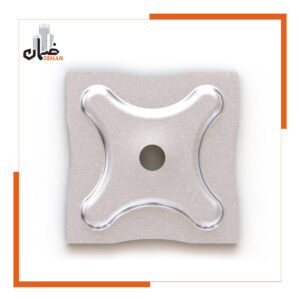
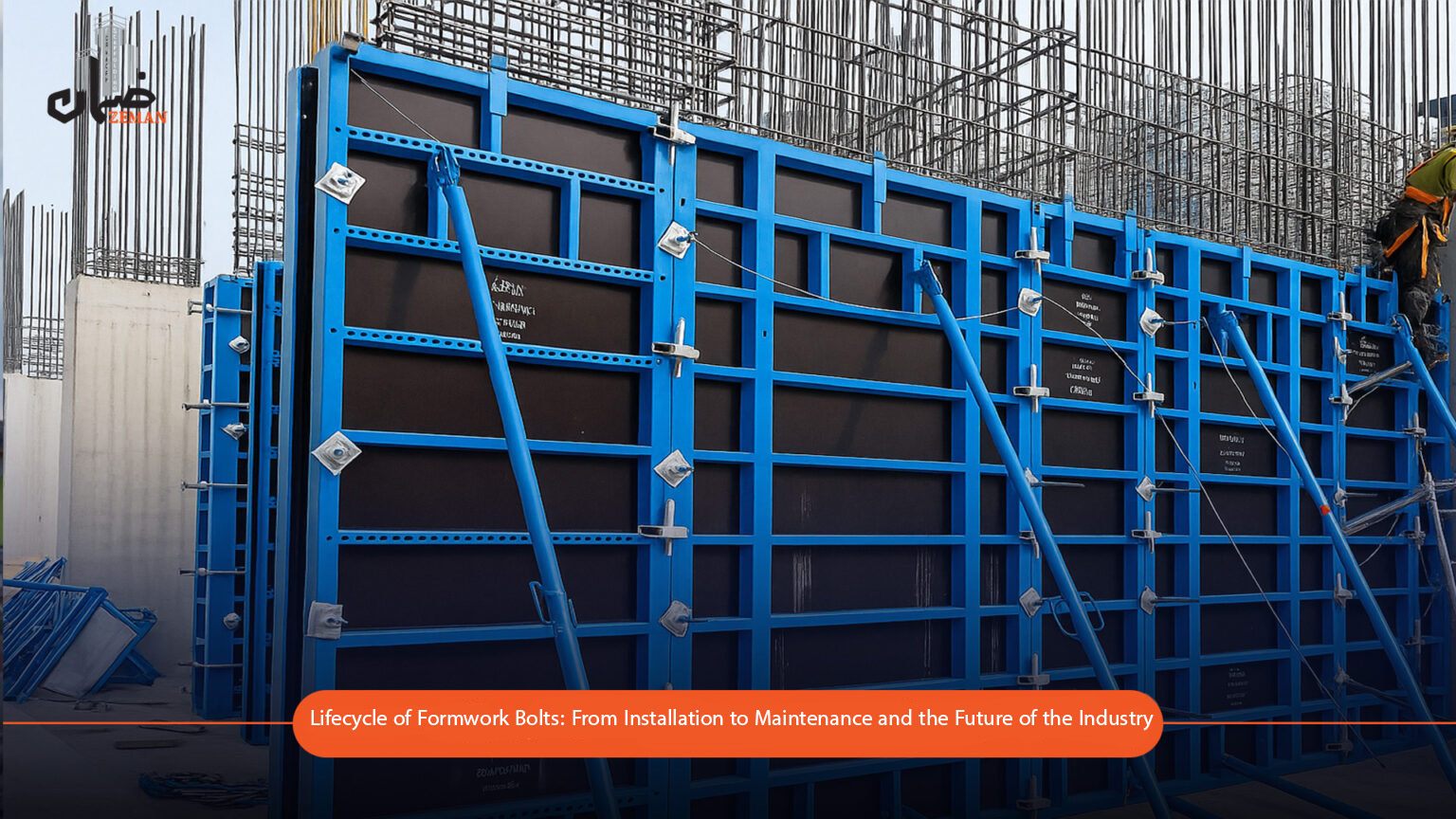
Understanding the performance of a formwork bolt without considering the complete formwork system it belongs to provides only a partial picture. Formwork bolts are rarely used alone; instead, they function as part of a coordinated set of components that includes wing nuts, cup washers, and bracing elements such as soldiers and pipes. In this system, the bolt passes through the pre-drilled holes of the formwork panels and is tightened on both sides using washers and wing nuts, enabling it to restrain the pressure imposed by the concrete.
This functional interdependence reveals a critical point: poor quality in any single component can cause the entire system to fail. The use of weak bolts or low-quality accessories such as washers and nuts that cannot withstand concrete pressure creates a serious risk. During high-pressure concrete pouring, failure of even one component can result in formwork collapse—leading not only to significant financial losses, but also putting workers’ lives at risk.
This clearly demonstrates that purchasing decisions for formwork bolts should not be based solely on unit price. Instead, the quality and performance of the entire formwork system must be considered. Choosing high-quality, reliable bolts is in fact an investment in safety, durability, and overall project success.
Types of Formwork Bolts
The construction industry offers a wide range of formwork bolts designed to meet different project requirements and site conditions. A clear understanding of each type and its specific application is essential for engineers and contractors alike.
Standard Bolts: The Backbone of Conventional Formwork Systems
Fully Threaded Tie Rod:
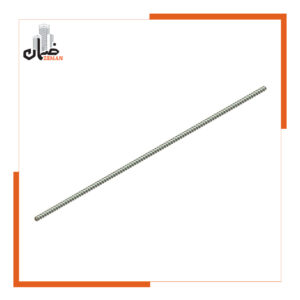
As the name suggests, a fully threaded tie rod is a steel bar with threads along its entire length. These bolts are commonly produced in diameters of 16 mm and 22 mm, and in lengths ranging from 70 to 400 cm to accommodate various wall thicknesses.
Application:
The primary application of this type is connecting the opposing faces of metal concrete formwork in non-waterproof shear walls, bridges, and structures subjected to high hydrostatic concrete pressure. By using these bolts, the formwork panels are securely tied together, preventing separation during concrete pouring and helping maintain structural stability and dimensional accuracy.
Double-Threaded Bolt:
This type is very similar in application to the fully threaded bolt but differs in structural design. While fully threaded bolts are threaded along their entire length, double-threaded bolts only have threads at both ends (typically about 25 cm on each side).
Application:
These bolts are ideal for resisting the lateral pressure of concrete and are commonly manufactured from 16 mm rebar. They are widely used in double-sided wall formwork systems. They are often combined with
double-sided wall formwork systems
to complete the overall structural setup.
Cane Bolt (Bent Tie Rod):
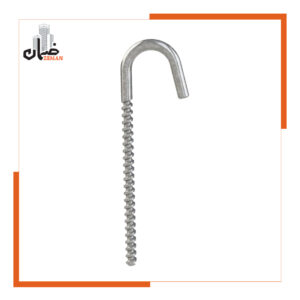
The cane bolt takes its name from the curved, hook-like shape at one end. It is typically manufactured in standard lengths of 40 cm, as well as 50 cm and 60 cm.
Precise Application:
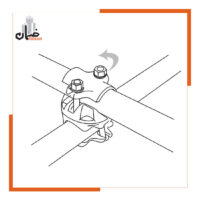
Cane bolts function as “soldier clamps” and are used to connect vertical soldiers (which act as vertical bracing elements) to horizontal pipe braces. This connection significantly enhances the rigidity and resistance of the entire formwork system and prevents panel movement during concrete pouring.
Water Stop Tie Rod:
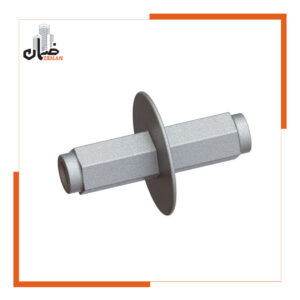
Water stop tie rods are used to maintain a fixed distance between formwork faces while resisting lateral concrete pressure. Due to their functional and economic advantages, they are especially popular in water-retaining structures such as tanks, reservoirs, and dams. These formwork bolts are available in cast iron, spring-loaded, and plastic models, and after concreting, the tie rod location is sealed to ensure full waterproofing.
Distinguishing Formwork Bolts from General Industrial Bolts
Understanding this distinction is essential to avoid confusion within the construction industry. While formwork bolts are designed for a temporary construction process, other types of bolts are used across various industries to create permanent structural connections. For example:
- Anchor Bolt: Used to connect steel base plates to foundations or concrete surfaces and remains a permanent structural component.
- Roll Bolt (Expansion Bolt): Applied for fastening steel plates and equipment to concrete or rock surfaces, operating through an expansion mechanism inside the drilled hole.
- U-Bolt: Shaped like the letter “U” and commonly used to secure and support pipes in piping systems, especially in the oil and gas industry.
The fundamental difference lies in their purpose: formwork bolts are temporary tools used during the forming process, whereas industrial bolts create permanent, load-bearing connections. This clear distinction ensures correct selection and proper use of each fastening solution.
Strategic Advantages and Specialized Applications of Formwork Bolts
Selecting and using the right formwork bolts provides numerous strategic and practical benefits for construction projects. These advantages go beyond simple physical connection and significantly impact key factors such as safety, quality, and overall productivity.
Enhanced Stability and Safety
As previously discussed, formwork bolts play a primary role in restraining the hydrostatic pressure of fresh concrete. By creating a strong connection between formwork panels, they prevent sudden deformation or collapse of the system. This function is particularly critical in projects involving large concrete volumes or significant pouring heights and has a direct impact on worker safety on site. High-quality, standard-compliant formwork bolts significantly reduce the risk of formwork failures and act as a key safety assurance.
Exceptional Execution Accuracy
One of the most critical functions of formwork bolts is maintaining an exact and constant distance between opposing formwork faces. This precision results in walls with perfectly uniform thickness and smooth surfaces that closely match design drawings. Consequently, the need for costly corrective works and finishing operations after concreting is reduced, leading to higher overall construction quality.
Process Acceleration and Cost Savings
Due to their simple and functional design, formwork bolts allow for fast installation and dismantling. This ease of use accelerates project execution and shortens delivery time. Moreover, many steel formwork bolts—such as fully threaded and double-threaded types—can be reused across multiple projects. This reusability significantly reduces procurement costs and increases the return on initial investment.
Comprehensive Table: Comparison and Selection of Formwork Bolt Types
To facilitate decision-making, the following table summarizes the key features and primary applications of various formwork bolt profiles.
| Profile Type | Advantages | Main Applications | Installation Complexity |
| Recessed | Minimalist and integrated appearance, concealed lighting potential | Suspended ceilings, walls, floors, modern architectural designs | High (requires cutting and surface preparation) |
| Surface-Mounted | Fast installation, no demolition required, lower cost | Areas where recessed installation is not possible, rapid construction solutions | Low (requires light surface drilling) |
| Suspended | Direct and focused application, adjustable height and load distribution | Office desks, kitchen counters, commercial and exhibition spaces | Medium (requires cable installation and adjustment) |
Comprehensive Guide to Purchasing Formwork Bolts: Key Factors and Considerations
Purchasing formwork bolts is a critical technical and economic decision that directly affects project success. This section reviews the main factors influencing bolt pricing and offers essential guidance for selecting the right product.
Price-Determining Factors
The price of formwork bolts is influenced by several factors, understanding which is essential for accurate budgeting. One of the most significant variables is fluctuation in the base metal market—particularly steel and iron—directly affecting final costs. Other key factors include:
- Raw Material Quality: The type and quality of material (carbon steel, galvanized steel, stainless steel) directly impact bolt strength and service life. Bolts made from high-grade steel with corrosion-resistant coatings typically carry a higher price.
- Size and Dimensions: Bolt diameter and length determine the volume of raw material used and therefore have a direct effect on pricing. Larger and longer bolts cost more.
- Manufacturing Process: Production methods and machining accuracy also affect cost. Use of advanced equipment such as CNC machines and compliance with quality standards increase costs but result in safer and more durable products.
Key Considerations When Selecting and Purchasing
Contractors and procurement managers must exercise caution when purchasing formwork bolts, as incorrect selection can negatively impact project outcomes. Buying solely based on low price is a risky decision. Low-quality bolts may fail under high concrete pressure, leading to serious accidents and irreparable damage. Therefore, both quality and price must be considered together.
Bolt selection should always match project technical requirements. For example, in structures requiring waterproofing—such as pools and tanks—plastic tie rods and external sealing systems are essential. For non-waterproof shear walls, fully threaded or double-threaded bolts are generally more suitable options.
Lifecycle of Formwork Bolts: From Installation to Maintenance and the Future of the Industry
To achieve maximum performance and longevity, formwork bolts must be managed carefully throughout their lifecycle—from installation to maintenance.
Correct Step-by-Step Installation
Installing fully threaded and double-threaded formwork bolts follows a defined procedure. First, the bolt is passed through the designated holes in the steel formwork panels. On both sides, a washer (such as a cup washer) and a wing nut are installed and tightened to secure the connection and prevent formwork movement during concreting. It is crucial to ensure all connections are properly tightened, as loose fittings can yield under concrete pressure, leading to deformation or leakage.
Maintenance and Service Life Extension
Like all steel tools, formwork bolts require proper maintenance to remain reusable across multiple projects. This not only reduces costs but also enhances safety in future operations. Key maintenance practices include:
- Cleaning: Immediately after formwork removal, bolts should be cleaned of concrete residues, moisture, and corrosive materials to prevent rust formation.
- Lubrication: Applying formwork oil creates a protective layer that prevents concrete adhesion and reduces corrosion risk.
- Proper Storage: Bolts should be stored in dry, well-ventilated areas. Exposure to moisture significantly accelerates corrosion.
Neglecting these practices can have serious consequences. Bolts that have corroded or bent due to improper storage lose tensile strength and load-bearing capacity. Reusing such bolts poses a high risk and can result in formwork collapse. Therefore, proper maintenance is an investment in long-term safety and efficiency.
Formwork Bolt vs. Tie Belt (Formwork Strap) Comparison
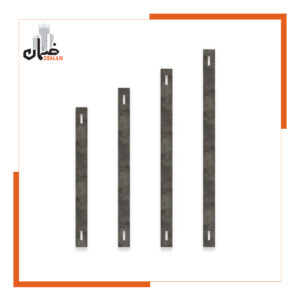
Compared to tie belts, formwork bolts provide a stronger and more rigid connection but leave a hole in the concrete. Tie belts do not require drilling and are generally more economical, though they offer less flexibility. For high-pressure applications, formwork bolts are technically superior.
Formwork bolts pass through formwork panels and leave residual holes after concreting, whereas tie belts are external metal straps that wrap around the formwork without penetrating concrete. Research indicates that this difference may influence concrete performance, but the final choice depends on project requirements.
- Advantages of Tie Belts: Faster execution, lower cost, and no need for hole repair—making them suitable for time-sensitive projects, though less effective under extreme pressure.
- Advantages of Formwork Bolts: Stronger structural connections in complex projects, though they may slightly reduce concrete integrity due to penetrations. Despite this, they remain widely used.
- Applications: Both are used to stabilize formwork; tie belts are preferred for hole-free shear walls, while bolts are better suited for foundations and columns.
- Cost and Efficiency: Tie belts are often cheaper and more efficient, but final selection depends on surface quality and precision requirements.
Innovation and the Future of the Bolt and Formwork Industry
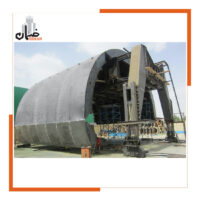
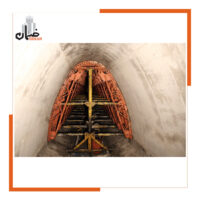
The construction industry is evolving rapidly. Innovations such as robotic formwork and 3D concrete printing are challenging traditional construction methods. In response, formwork bolts must also evolve. Modern systems like tunnel formwork aim to increase speed and reduce costs, driving demand for faster, lighter, and more efficient connection systems.
Accordingly, innovations such as plastic tie rods and the use of galvanized or stainless steel coatings are gaining traction. These advancements indicate a clear industry trend toward higher performance, greater environmental resistance, and lower lifecycle costs. As a result, formwork bolts are transitioning from simple accessories to strategic components in modern construction.
Final Conclusion: Formwork Bolts—The Cornerstone of Every Successful Project
Ultimately, formwork bolts are vital strategic components whose performance directly affects safety, accuracy, and cost efficiency in construction projects. Selecting the right bolt requires a thorough understanding of available types, their specialized applications, and key factors such as quality, dimensions, and compatibility with project requirements. Neglecting quality can introduce serious risks, whereas informed investment leads to greater structural stability, faster execution, and reduced long-term costs.
Given the importance of this decision, it is strongly recommended to consult technical experts and reputable suppliers before purchasing, ensuring the most suitable solution is selected in line with project specifications and budget constraints.