



What Is a Concrete Mixer?
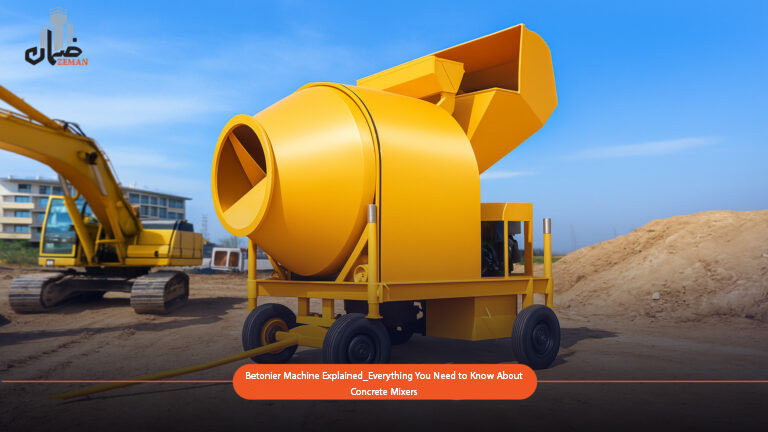
A concrete mixer, also known as a cement mixer, is a mechanical device used to uniformly blend concrete constituent materials such as cement, gravel, sand, and water in order to produce fresh, homogeneous concrete. This equipment is widely used in small to large-scale construction projects and serves as an efficient replacement for manual, inefficient mixing methods.
Using a concrete mixer significantly improves concrete quality, reduces execution time and labor requirements, and prevents the formation of cement lumps. These advantages contribute directly to the durability and performance of concrete structures. Based on the classifications below, concrete mixers are categorized into different types. Selecting the appropriate model depends on project size and access to power sources.
- Main types: Based on power source (electric, gasoline, diesel)
- Capacity: From 120-liter laboratory models to 2,000-liter industrial mixers
- Power transmission mechanism: Ring gear (peripheral gear) or bottom gear systems
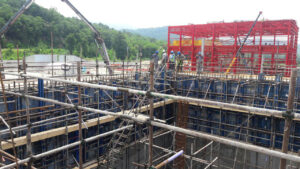
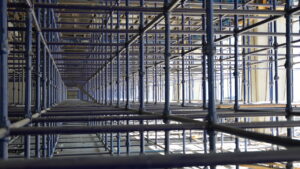
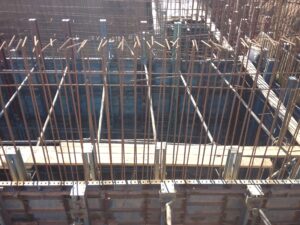
Concrete mixers work in synergy with concrete formwork systems and scaffolding. The concrete produced by mixers is essential for filling modular formwork and supporting scaffolding during slab and wall concreting operations. This integration significantly enhances project safety and operational efficiency.
When purchasing a concrete mixer, prioritize capacity and power supply according to project requirements. Proper maintenance includes daily cleaning and periodic inspections to extend the machine’s service life. Prices vary depending on the model, but investing in long-term quality is ultimately more economical.
History and Evolution of the Concrete Mixer
The history of the concrete mixer reflects the evolution of construction mechanization. Although concrete has been used since ancient times, mechanical mixing only began in the early 20th century. The first mobile mixer was patented in 1904 by German inventor Richard Bodlaender. However, motorized versions—such as T.L. Smith’s design in 1900 and Stephen Stepanian’s truck mixer in 1933—laid the foundation for the ready-mix concrete industry. This transition from manual to automated systems dramatically improved productivity.
Components and Operating Mechanism of a Concrete Mixer
The key components of a concrete mixer include the chassis (for stability), the drum (mixing chamber with varying capacities), internal blades (for three-dimensional agitation of materials), the motor (electric or internal combustion), and the power transmission system (ring gear or bottom gear). The operating mechanism is based on drum rotation, enabling gravity-based mixing of materials to achieve uniform concrete.
Practical Guide to Operating a Concrete Mixer
First, position the mixer on a level surface and calculate the required material quantities. The recommended loading sequence is: water, gravel, cement, sand, followed by the remaining water. Mixing time typically ranges from 3 to 5 minutes, after which the concrete should be discharged. For safety, use personal protective equipment and never load the mixer while it is in motion.
Applications in Construction
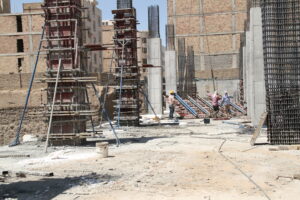
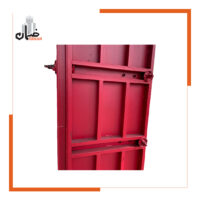
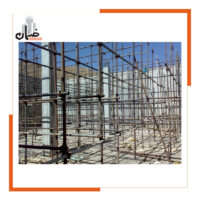
Concrete mixers are essential for foundations, walls, and slabs and are closely integrated with modular formwork systems and Cup-Lock scaffolding, which is commonly used to support fresh concrete during placement. In large-scale projects, concrete produced by mixers is used to fill modular steel formwork or to support wall and column support jacks.
Selecting and Purchasing a Concrete Mixer
Evaluating project volume, power source availability, and budget is essential. Electric mixers are suitable for urban projects, while diesel models are preferred in remote areas. Drum steel thickness and engine brand quality should always be carefully examined.
Maintenance and Safety
Daily cleaning using water and gravel is essential. Periodic lubrication of gears and routine engine inspections should not be overlooked. Safety measures include using masks and safety goggles and ensuring proper grounding for electric models.
Comparison with Pan Mixers
Concrete mixers are ideal for general-purpose concrete, whereas pan mixers are better suited for dry concrete and precast components due to their stronger forced mixing action.
The Central Role of Concrete Mixers in Quality and Efficiency of Concrete Construction
The strength, durability, and stability of any concrete structure are directly related to the quality of the concrete used—and this quality depends fundamentally on one key process: mixing. The concrete mixer, also known as a cement mixer or mortar mixer, is a critical piece of equipment responsible for the mechanical blending and homogenization of concrete ingredients.
In construction projects, concrete mixers are used to combine cement, water, aggregates such as gravel and sand, and where necessary, chemical admixtures, producing a uniform concrete mixture. By rotating a large drum, materials are thoroughly blended into a cohesive, workable mass known as fresh concrete.
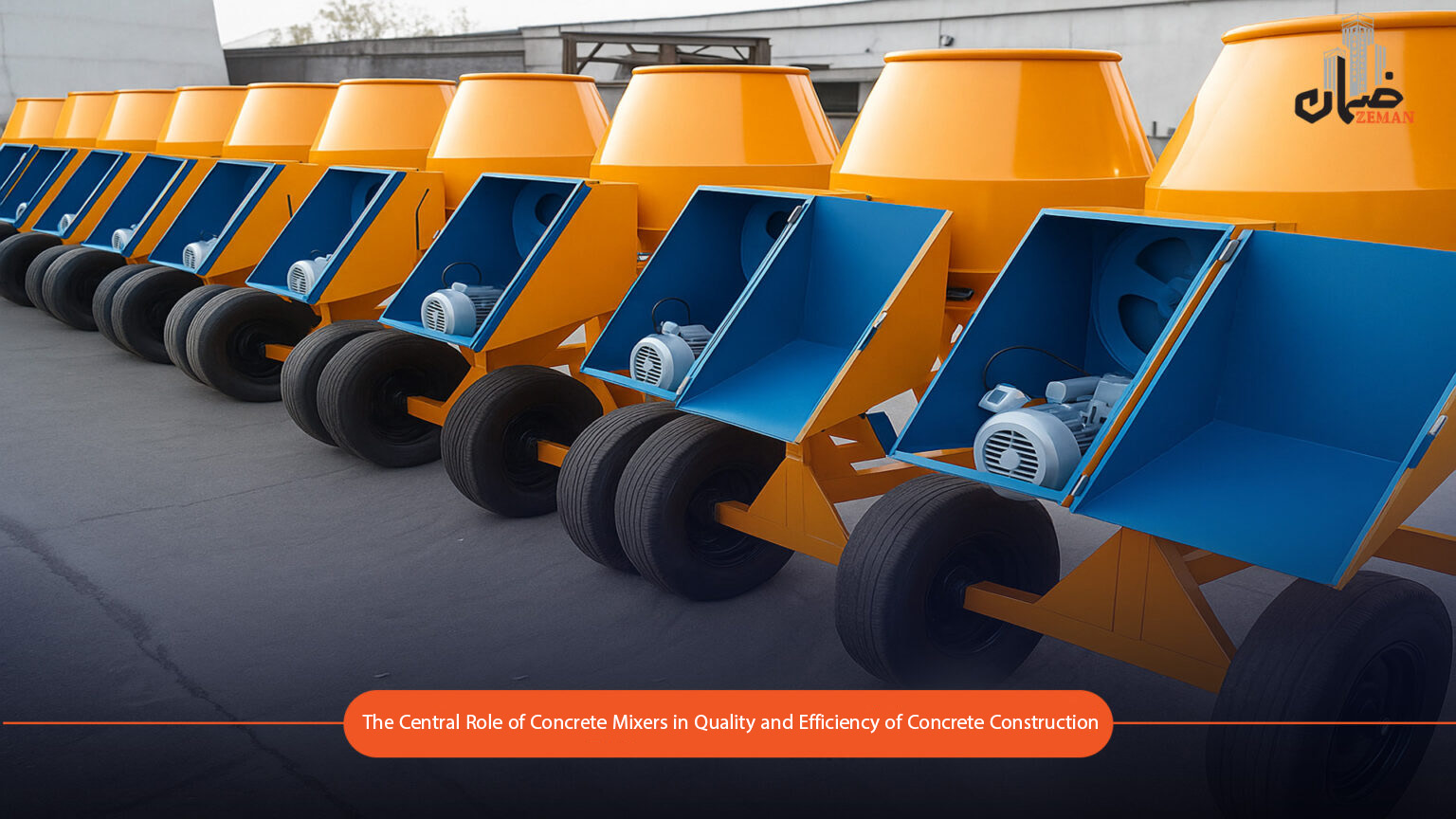
These machines are manufactured in both stationary and portable versions and are available in various sizes—from small manual models to large industrial mixers designed for construction sites. The use of concrete mixers results in strong and durable foundations and reflects a commitment to quality construction practices. Mechanized mixing saves time and labor, prevents cement lumping, and significantly improves workforce productivity, resulting in faster and more economical construction processes.
Importance of the Concrete Mixer
The importance of this equipment becomes evident when considering that traditional manual concrete production methods can no longer meet the volume and quality demands of modern construction projects. Manual mixing is not only labor-intensive and time-consuming, but it also rarely achieves the required level of uniformity. This lack of consistency creates weak zones within hardened concrete, ultimately reducing structural strength and service life. In contrast, concrete mixers ensure thorough and standardized mixing, dramatically improving concrete quality.
Using a concrete mixer provides several critical benefits, making it an indispensable component of any construction site:
- Increased speed and productivity: The mixer significantly accelerates concrete production and reduces overall project duration.
- Consistent and reliable quality: Mixer-produced concrete offers uniform and predictable performance, which is nearly impossible to achieve through manual mixing.
- Reduced labor and costs: Mechanization lowers labor requirements, prevents worker fatigue, and reduces total project costs.
In reality, a concrete mixer is not merely a mixing tool—it is a “construction process catalyst.” Construction projects consist of interconnected operations, and delays in one segment disrupt the entire workflow. Manual concrete production often becomes a major bottleneck. Concrete mixers eliminate this bottleneck by providing a steady, predictable supply of high-quality concrete, allowing reinforcement, formwork, and execution teams to work without interruption. As a result, the impact of this equipment extends beyond mixing itself, optimizing the entire project workflow.
The Evolution of an Invention: From Past to Present
The history of concrete mixers tells a compelling story of humanity’s efforts to overcome one of the most labor-intensive construction tasks. Although concrete was used by ancient civilizations such as Rome and Egypt, mixing was performed manually for thousands of years using primitive tools. This continued until the early 20th century, when the Industrial Revolution demanded faster and larger-scale construction methods.
The First Steps Toward Mechanization
The first patented mobile concrete mixer was registered in 1904 by German inventor Richard Bodlaender. Known as a “mortar-mixing machine,” it featured an innovative yet rudimentary design powered by animal traction. As horses pulled the device, the large drum rotated to mix materials. However, excessive weight and low efficiency limited its practicality.
The Emergence of Motorized Mixers
A true turning point occurred with the replacement of animal power by internal combustion engines. In 1900, inventor T.L. Smith developed the first mixer featuring a tilting conical drum and internal blades—design principles still evident in modern mixers. Later, in 1920, a Kansas-based inventor named Bickel patented a truck-mounted concrete mixer powered by an internal combustion engine.
The Father of the Ready-Mix Concrete Industry
Perhaps the most influential figure in this history is Stephen Stepanian, an Armenian-American inventor recognized as the creator of the first self-discharging motorized truck mixer. Despite early patent challenges, he successfully registered his invention in 1933. His revolutionary design earned him the title “Father of the Ready-Mix Concrete Industry.”
This invention marked a paradigm shift in construction logistics. Prior to this, concrete was always produced on-site, requiring large storage areas for materials and constant supervision. Stepanian’s truck mixer enabled concrete to be produced in centralized batching plants under strict quality control and delivered fresh to multiple job sites. This innovation gave rise to the ready-mix concrete industry, allowing contractors to focus entirely on construction rather than material production.
In subsequent decades, inventors such as Charles Ball further refined drum designs and dramatically increased mixer capacities. This evolutionary journey reflects a transition from “on-site production” to “centralized production and distribution”—a transformation that permanently reshaped the construction industry.
Familiarization with the Main Components and Their Functions
To fully understand how a concrete mixer operates, it is essential to become familiar with its constituent components and the function of each. Every concrete mixer, regardless of size or model, consists of a set of key parts that work in coordination to enable the complex process of transforming raw materials into homogeneous fresh concrete.
Chassis
The chassis can be considered the main framework and backbone of the machine. This steel structure, typically manufactured from high-strength steel profiles, supports the weight of all other components such as the drum, engine, and gearbox, ensuring overall stability during operation. Portable concrete mixers are equipped with two or four wheels (usually pneumatic or caster wheels) integrated into the chassis to allow easy movement across construction sites.
Drum (Mixing Drum or Hopper)
This component is the beating heart of the concrete mixer—a large rotating chamber within which the primary mixing process takes place. The capacity of a concrete mixer is defined by the volume of its drum (e.g., 250 liters or 500 liters). The quality and service life of the drum depend directly on the thickness and grade of the steel plate used in its fabrication. In engineered designs, the steel thickness at the bottom of the drum—where abrasion and mechanical stress are highest—is greater than that of the sidewalls. The use of wear-resistant steel plates significantly extends the operational lifespan of the drum.
Mixing Blades
Inside the drum, several specially designed steel blades are welded in place. These blades play a critical role in achieving proper mixing quality. As the drum rotates, the blades lift materials from the bottom, pull them toward the center, and allow them to cascade downward. This continuous three-dimensional movement ensures that all cement particles, aggregates, and water are thoroughly and uniformly blended.
Blade design represents a precise engineering balance: the blades must not only guarantee complete mixing, but also enable smooth and rapid discharge of concrete. In many models, the blades follow a helical pattern. Rotation in one direction draws materials inward for mixing, while reverse rotation—similar to the action of an Archimedean screw—directs the mixed concrete toward the discharge opening.
Engine / Motor
This unit is the source of driving power, supplying the energy required to rotate the heavy drum filled with materials. Depending on the model and application, concrete mixers may be equipped with electric motors (single-phase or three-phase), gasoline engines, or diesel engines. Engine power, typically rated in horsepower (generally between 3 and 10 HP), must be properly matched to drum capacity in order to deliver sufficient torque.
Power Transmission System (Drivetrain)
This complex assembly includes the gearbox, gears, and, in some models, belts. Its function is to transmit power from the engine to the drum and convert it into rotational motion. Two primary mechanisms are used for this system: bottom gear (pinion drive) and ring gear (peripheral gear). Due to their importance, these systems are examined in detail in the following section.
Loading and Discharge Control
A lever or large handwheel that allows the operator to easily adjust the angle of the drum. Tilting the drum upward prepares the machine for material loading, while tilting it downward enables controlled discharge of fresh concrete.
Loading Bucket
In high-capacity concrete mixers (typically 500 liters and above), a hydraulic loading bucket or measuring scoop is installed to increase loading speed and efficiency. Materials are placed into this bucket and then discharged into the drum using a hydraulic jack mechanism.
Comprehensive Classification of Concrete Mixers
Concrete mixers are classified based on various criteria in order to meet the diverse requirements of construction projects ranging from small residential repairs to large-scale infrastructure such as dams. Understanding these classifications plays a key role in selecting the most suitable and efficient mixer for specific applications.
Based on Power Source
Electric Concrete Mixers
This is the most common and widely used type in urban environments and construction sites with reliable access to electricity. Key advantages include low operating costs, reduced noise levels, and zero exhaust emissions. Electric concrete mixers are available in two main types:
- Single-phase: Suitable for low-capacity mixers (typically up to 350 liters) operating on standard household power (220V).
- Three-phase: Designed for high-capacity and industrial mixers requiring industrial power supply (380V).
Gasoline Concrete Mixers
These models are ideal for projects located in remote areas or sites without access to electricity. They offer good power and mobility but are noisier than electric mixers and require regular fuel supply and engine maintenance.
Diesel Concrete Mixers
Diesel mixers are the most powerful portable concrete mixers, engineered for heavy-duty applications, high volumes, and continuous operation. Diesel engines deliver higher torque and better fuel efficiency compared to gasoline engines, making them the preferred choice for large-scale civil engineering projects.
Based on Capacity (Drum Volume)
- Laboratory mixers (120–180 liters): Small mixers used for laboratory testing, trial mix designs, and very small personal or DIY projects.
- Small capacity (250–350 liters): The most popular range for common construction works such as villas and small to medium residential buildings. A 250-liter mixer typically produces approximately 1 to 1.5 wheelbarrows of concrete per batch.
- Medium capacity (400–500 liters): Suitable for semi-industrial projects, multi-story buildings, and applications requiring larger concrete volumes.
- Large capacity (750, 1000, and 2000 liters): Heavy industrial machines used in major infrastructure projects such as bridges, dams, and in ready-mix or precast concrete production plants.
Based on Power Transmission Mechanism: A Key Distinction
The method of transferring power from the engine to the drum is one of the most important technical differences among concrete mixers, directly affecting performance, durability, noise level, and overall cost.
Bottom Gear Concrete Mixer (Pinion Drive)
In this system, engine power is transmitted through the gearbox to a small pinion gear located beneath the drum. This pinion engages with a larger gear attached to the base of the drum, causing it to rotate. Due to its simpler design and enclosed gear arrangement, this mechanism produces lower noise levels. However, because the entire load is concentrated on a single small gear, wear is higher, making it suitable mainly for low-capacity mixers (up to 350 liters).
Ring Gear Concrete Mixer (Peripheral Gear)
In this design, a large ring-shaped gear is mounted around the circumference of the drum. Engine power is transmitted via a smaller driving gear that engages this ring, rotating the drum. Because load is distributed over a larger gear surface, this system offers much higher power transmission capacity and reduced wear. As a result, it is the standard choice for high-capacity mixers (typically 400 liters and above) and heavy-duty applications. Although slightly noisier, it provides significantly greater durability and service life.
Choosing between these two systems represents an engineering decision based on balancing “initial cost versus service life” and “operator comfort versus mechanical robustness.” Bottom gear models, with lower upfront costs and less noise, appeal to small contractors, while ring gear mixers—due to superior durability and lower long-term maintenance costs—are the preferred choice for professional and large-scale construction companies.
| Comparison Criteria | Bottom Gear Mixer | Ring Gear Mixer |
|---|---|---|
| Suitable Capacity | Low (up to 350 liters) | Medium to high (400 liters and above) |
| Noise Level | Low | Medium to high |
| Wear and Durability | Higher wear, shorter lifespan | Lower wear, very high durability |
| Maintenance Cost | Higher (in case of failure) | Lower (due to durable components) |
| Initial Cost | Lower | Higher |
| Main Application | Small and medium-scale projects | Medium, large, and industrial projects |
Based on Operating Mode
Batch Mixer
Almost all portable concrete mixers fall into this category. In each operating cycle (batch), a specific quantity of materials is loaded, mixed, and then completely discharged. This system is ideal for small to medium construction projects that require precise control over each batch of concrete.
Continuous Mixer
These systems, typically found in large plants and major road construction or dam projects, continuously receive raw materials from one end and deliver a steady stream of ready-mix concrete from the other. Continuous mixers are designed for very high production volumes.
Operational Guide: From Startup to Concrete Discharge
Proper and correct use of a concrete mixer not only ensures high-quality concrete but also extends the service life of the machine and safeguards operator safety. This section provides a step-by-step operational guide for working with a standard concrete mixer.
1. Preparation and Installation of the Machine
- Selecting a suitable location: Place the machine on a completely flat, level, and firm surface. Installing the mixer on a sloped or unstable surface may cause it to tip over during operation, which is extremely dangerous.
- Preparing the base beneath the machine: It is recommended to spread a sheet, a base board, or a large tarpaulin under the mixer. This prevents concrete spillage onto the ground and makes final cleanup much easier.
- Pre-start inspection: Before starting the machine, carefully inspect the inside of the drum to ensure it is clean and free of any hardened concrete from the previous workday. Residual hardened concrete reduces the quality of the new mix.
2. Material Quantity Calculation and Mix Proportion Compliance
- Volume calculation: Accurately calculate the volume of concrete required for the intended element (e.g., a column or part of a foundation). It is always recommended to consider approximately 10–15% extra materials beyond the calculated volume to prevent shortages during execution.
- Mix design: Strictly observe the correct material proportions (mix design) specified by the project engineer. A common proportion for general-purpose concrete is 1 part cement, 2 parts sand, and 4 parts coarse aggregate.
3. Correct Sequence of Material Charging (A Critical Step)
The order in which materials are introduced into the drum is a highly important technical factor that directly affects concrete quality and machine performance. This sequence is not merely a guideline, but rather one based on physical and chemical principles.
- Water first: Start the mixer and keep the drum rotating. Then pour approximately half of the required water for the batch into the drum. This creates a thin lubricating layer on the inner drum surfaces and prevents cement and dry materials from sticking.
- Then coarse aggregates (gravel): Add the gravel to the water inside the drum. The movement of the heavy and abrasive aggregates in water helps clean the drum walls and prevents lump formation.
- Cement and sand: Next, add the cement followed by the sand.
- Completing the water addition: Gradually and carefully add the remaining water to the mix until the desired workability (slump) is achieved. Avoid adding all the water at once, as this makes slump control difficult.
This intelligent method ensures that cement particles are fully dispersed in water and separated by the aggregates, resulting in a completely homogeneous and high-quality concrete.
4. Optimal Mixing Time
After all materials have been added, allow the machine to operate for a sufficient duration. The optimal mixing time is generally between 3 and 5 minutes. Mixing for less than this time results in non-uniform concrete, while over-mixing may break down aggregates and negatively affect concrete strength. Properly mixed concrete should have a uniform color and a fully homogeneous appearance.
5. Concrete Discharge
Once the concrete is ready, gently tilt the drum downward using the control wheel or lever and discharge the contents into a wheelbarrow, bucket, or directly into the designated placement location. Keep in mind that fresh concrete begins initial setting after approximately 15 to 30 minutes. Therefore, discharge and placement must be carried out efficiently to avoid the formation of cold joints during concreting.
Extensive Applications of Concrete Mixers in Modern Construction
As the primary machine for producing the most essential construction material, concrete mixers are used at all stages and scales of civil engineering projects. Their operation is closely intertwined with other construction systems, particularly formwork and scaffolding. In practice, the concrete mixer, formwork, and scaffolding form the three vertices of a “synergy triangle,” where progress in one drives advancement in the others.
Small and Medium Construction Projects
In such projects, portable mixers with capacities of 250 to 500 liters play a central role:
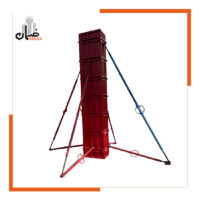
- Foundation and column execution: Producing high-quality concrete is essential for footing construction and reinforced concrete structural frames. This process requires the use of appropriate formwork systems that must be filled with concrete produced by the mixer.
- Concrete wall construction: For shear walls and retaining walls that provide structural resistance, single-sided wall formwork systems (for soil-retaining walls) or standard systems are used. Continuous concrete supply from the mixer is critical to prevent cold joints in these walls.
Large Civil and Industrial Projects
In projects such as dams, bridges, and tunnels—where concrete volumes are extremely high—high-capacity industrial mixers or truck mixers are utilized:
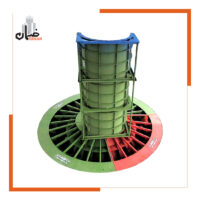
- Complex structures: Construction of geometrically complex elements such as curved walls requires curved wall formwork. Underground projects also employ specialized structural systems, all of which require massive concrete volumes.
- Ensuring formwork stability: Hydrostatic pressure of fresh concrete in tall walls is very high. To restrain this pressure and prevent formwork deformation or opening, bracing and adjustable jack systems are used to ensure stability and vertical alignment.
- Precast production and architectural finishing: In precast concrete plants, stationary mixers—often pan mixers—are used to produce concrete with precise mix designs for use in precast concrete molds such as blocks, curbstones, and joists.
For architectural concrete and cement-based facades, the uniform mortar produced by the mixer is applied alongside facade wall formwork.
Integration with Scaffolding and Shoring Systems
Producing and placing concrete—especially for slabs—is impossible without strong support systems. This highlights the close relationship between concrete mixers and various scaffolding solutions:
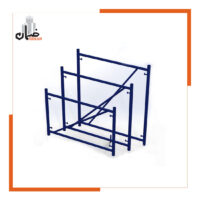
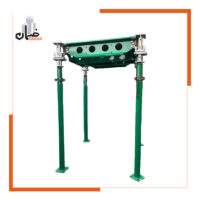
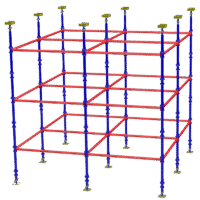
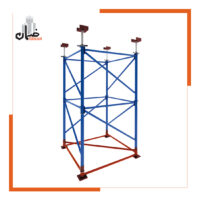
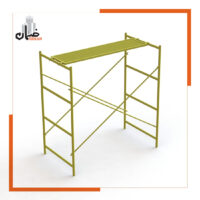
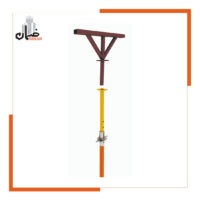
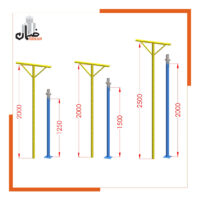
- Slab shoring: The enormous weight of fresh slab concrete must be supported by load-bearing scaffolding. Systems such as triangular scaffolding or triangular shoring are specifically designed for this purpose. Other systems are selected depending on project complexity. To purchase triangular shoring, click here.
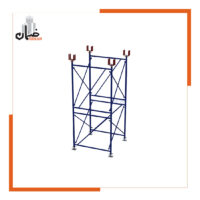
- Heavy-duty scaffolding: For bridges and thick slabs, heavier shoring systems such as scaffold systems are used. Load-bearing capacity is a critical consideration in these projects.
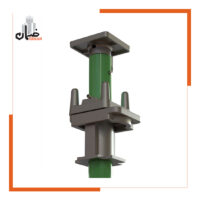
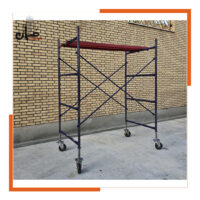
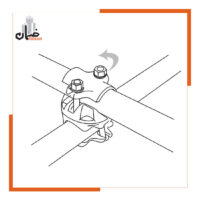
- Auxiliary equipment: For safe worker access, service scaffolding systems are employed. Component connections are made using formwork fittings. Precise slab height adjustment requires adjustable props such as U-head props and plumb-adjustment jacks.
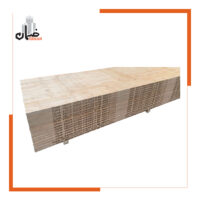
- Hybrid formwork systems: Alongside modular concrete formwork systems, the use of plywood and timber beams—particularly formwork plywood and H20 timber beams—is common for achieving smooth surfaces and reducing costs.
This interconnected ecosystem demonstrates how the development of large modular formwork systems created demand for higher-capacity mixers, while the massive loads of these systems, in turn, drove the evolution of heavy-duty load-bearing scaffolding. These three technologies collectively power modern concrete construction.
Comprehensive Guide to Selecting and Purchasing the Right Concrete Mixer
Selecting and purchasing the right concrete mixer is a significant investment for any contractor or builder. An incorrect choice can lead to reduced productivity, lower concrete quality, and increased project costs. Making an informed decision requires careful consideration of technical, operational, and economic factors.
1. Assessing Project Requirements (The Most Critical Step)
Before anything else, carefully analyze the nature and scale of your projects:
- Work volume: Are you looking for a mixer for small, occasional projects (such as repairs or villa construction) or for large, continuous projects (such as mass housing)? For small jobs, a 250–350 liter mixer is sufficient, while larger projects require capacities above 500 liters or the use of ready-mix concrete.
- Project location: Are your projects primarily in urban areas with access to electricity, or in remote locations without infrastructure? The answer determines the choice between electric and internal combustion engines.
2. Selecting the Appropriate Capacity
Mixer capacity is stated based on nominal drum volume (liters). However, the key point is that the effective working capacity—the amount of concrete that can be produced per batch—is approximately 70–80% of the nominal capacity. Overloading not only reduces mixing quality but also places excessive stress on the motor and drivetrain, shortening the service life of the machine.
3. Choosing the Power Source
- Electric: The first choice for urban construction sites. Cost-effective, quiet, and environmentally friendly.
- Gasoline/Diesel: Essential options for sites without electricity. Diesel models are preferred for heavy and continuous work due to higher torque and lower fuel consumption.
4. Reviewing Technical Specifications and Build Quality
- Drum plate thickness: Check the thickness of the drum base and sidewalls. Thicker plates (e.g., 4 mm base and 3 mm sides) and the use of wear-resistant steel indicate higher durability.
- Chassis: Ensure the strength of chassis profiles and welding quality. A weak chassis cannot withstand long-term vibration and machine weight.
- Motor and gearbox: The brand and quality of the motor and gearbox directly affect performance and reliability. Using reputable brands ensures better operation and easier access to spare parts.
5. Budget Considerations and After-Sales Support
- Total cost of ownership: Rather than focusing solely on the initial purchase price, consider long-term costs including maintenance, repairs, and energy consumption. A higher-quality machine is often more economical over time.
- Buying used or renting: For short-term projects or new contractors, renting a mixer or purchasing a sound used unit may be a smart option.
- Warranty and support: Ask the supplier about warranty terms, after-sales service, and spare part availability. Access to reliable technical support is extremely valuable when problems arise.
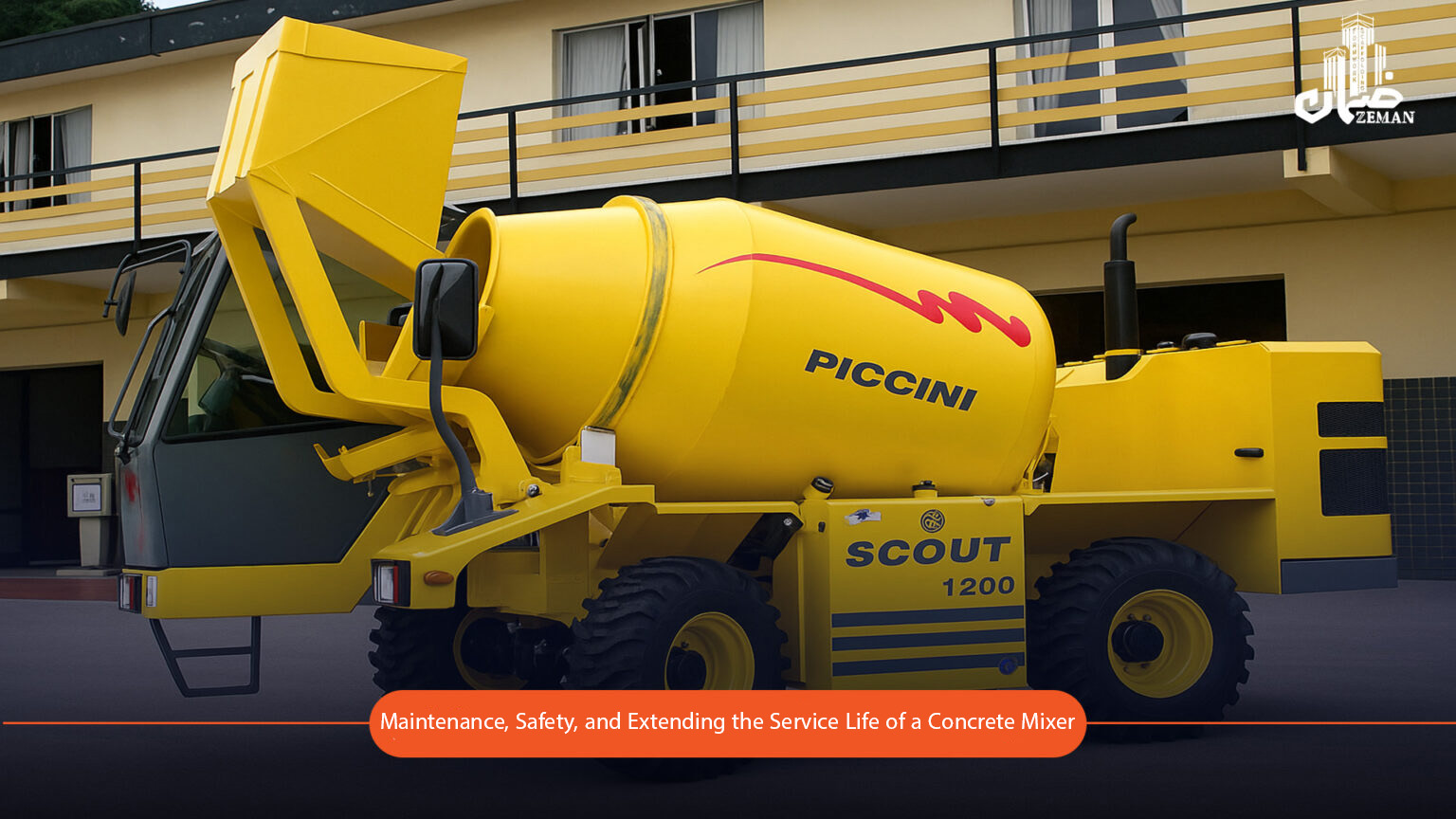
Maintenance, Safety, and Extending the Service Life of a Concrete Mixer
A concrete mixer is a valuable asset that, with proper maintenance and strict adherence to safety principles, can operate at maximum efficiency for many years. Neglecting these considerations not only significantly reduces the machine’s service life, but can also result in poor-quality concrete production and dangerous accidents on the job site.
1. Daily Maintenance and Cleaning (The Most Important Principle)
Concrete is a highly abrasive material, and once it hardens, removing it becomes nearly impossible. Therefore, immediate cleaning after completing work is the most critical aspect of concrete mixer maintenance.
- Thorough drum cleaning: Never allow concrete to dry inside the drum. This reduces the effective drum capacity, disrupts balance, and places excessive stress on the motor. Immediately after discharging the final batch, rinse the drum with water.
- Optimal cleaning method: The most effective method is to pour some water along with several shovels of coarse sand or gravel into the drum and let it rotate for several minutes. The gravel acts as a natural abrasive, removing all concrete residue from the drum walls. Repeat this process until the discharged water is completely clear. Using an industrial water jet (pressure washer) is also highly effective.
- External cleaning: Clean cement dust and concrete residue from the machine body, especially the motor. Dust accumulation on the motor can hinder proper cooling and cause serious damage.
2. Periodic Servicing and Inspection
Preventive maintenance is the key to avoiding sudden and costly breakdowns.
- Lubrication: Gears—especially exposed ring gears—and bearings must be lubricated regularly according to the manufacturer’s instructions to prevent wear and corrosion.
- Gearbox inspection: Periodically check the gearbox oil level and top up or replace it if necessary. Using gear oil with appropriate viscosity (typically ISO VG 140) is essential to protect the gears from premature wear.
- Motor servicing: Whether electric or internal combustion, the motor should be serviced by a qualified technician at defined intervals (for example, every 500 operating hours).
- Fastener inspection: Due to constant vibration during operation, bolts and nuts on the chassis, motor, and gearbox may loosen over time. Weekly or monthly inspection and tightening of these connections is essential.
3. Operational Safety Principles
- Personal Protective Equipment (PPE): The operator and nearby workers must use durable gloves, safety goggles to protect eyes from material splash, and respiratory masks to prevent inhalation of cement dust, which is harmful to the lungs.
- Electrical safety: For electric concrete mixers, always use standard, undamaged cables. Ensure the system is properly grounded (earthed) and equipped with a residual current device (RCD) along the power line.
Operational Safety Tips:
- Never insert hands, shovels, or any tools into the drum while it is rotating.
- Do not load the machine while it is switched off. This causes sudden and severe stress on the motor during startup.
- The operator must remain beside the machine at all times during operation.
- Avoid placing the mixer near excavation edges or unstable ground.
Comparison of Drum Mixers and Pan Mixers
In the concrete and construction materials industry, in addition to rotating-drum concrete mixers (Drum Mixers) discussed earlier, another widely used machine is the “Pan Mixer.” Although both machines serve the purpose of mixing, fundamental differences in structure, operating mechanism, and application make them suitable for different objectives.
Structure and Mixing Mechanism
- Concrete Mixer (Drum Mixer): In this machine, the drum rotates while fixed blades inside lift and move the materials. The mixing process is primarily based on gravity; materials are lifted by the blades and then fall back down, mixing in the process. This results in a relatively gentle mixing action.
- Pan Mixer: In this system, the pan (drum) remains stationary, while one or more vertical shafts with attached mixing arms rotate inside. This mechanism operates like a large industrial agitator. The mixing process is classified as forced mixing; the rotating arms physically shear, blend, and move materials with high energy, resulting in a powerful and intensive mixing action.
Mixing Quality and Applications
This fundamental difference in mixing mechanism leads to significant differences in performance and application:
- Applications of drum mixers: Due to their gravity-based mixing mechanism, drum mixers are well suited for producing conventional concrete with medium to high workability (slump), typically used in general construction projects such as cast-in-place columns, slabs, and foundations. Their main advantage is ease of transport and relocation on job sites.
- Applications of pan mixers: The forced and high-energy mixing mechanism of pan mixers makes them ideal for specialized products that require very high homogeneity and strict adherence to mix design.
Main applications include:
- Precast concrete factories: For manufacturing concrete blocks, curbstones, paving units, and mosaics—typically produced with zero-slump or semi-dry concrete—the use of pan mixers is essential. Gravity-based drum mixers are incapable of properly homogenizing such mixes.
- Batching plants: In ready-mix concrete plants, pan mixers are used to rapidly and accurately produce various types of concrete, including high-performance concrete (HPC) and specialty mixes containing fine powdered admixtures.
- Production of sensitive mortars: For ready-mix mortars and other powder-based blends requiring uniform distribution of small quantities of additives, pan mixers are the optimal choice.
In summary, the concrete mixer is the workhorse of construction sites for producing general-purpose concrete, whereas the pan mixer is a precise industrial tool designed for factory environments and high-quality specialized concrete products.
Conclusion and Future Outlook
For more than a century, the concrete mixer has evolved from a simple mechanical invention into a highly engineered and indispensable machine in the construction industry. By mechanizing one of the most fundamental processes—concrete mixing—it has revolutionized speed, quality, and cost efficiency in civil engineering projects worldwide.
As demonstrated throughout this comprehensive report, from its historical development that led to the emergence of the ready-mix concrete industry, to the detailed examination of its components and classification, all aspects underline the undeniable importance of this machine in the modern world.
For users and contractors, three key principles ensure optimal utilization of this valuable investment:
- Correct selection: Choosing a mixer with appropriate capacity, power source, and transmission mechanism based on actual project needs is the first and most critical step in ensuring productivity and preventing wasted resources.
- Proper operation: Adhering to correct operating principles—especially material charging sequence and optimal mixing time—has a direct impact on final concrete quality, and consequently, on the strength and durability of the structure.
- Preventive maintenance: Daily cleaning and regular periodic servicing are the keys to extending machine life, reducing costly failures, and maintaining a safe working environment.
Looking ahead, the future of this industry is promising and dynamic. Technology is steadily transforming these traditional machines. In the near future, concrete mixers are expected to become increasingly intelligent, equipped with moisture sensors for precise and automatic water control, integrated digital weighing systems for flawless execution of mix designs, and higher levels of automation in loading and discharge processes—all aimed at minimizing human error and achieving unparalleled concrete quality.
Nevertheless, even with the most advanced technologies, the fundamental principles discussed in this report will remain valid, and the concrete mixer will continue to serve as the beating heart of construction projects worldwide.