



In today’s highly volatile construction industry, cost management is no longer an “option,” but a vital “necessity” for the survival of projects. When it comes to reinforced concrete structures, metal formwork systems account for one of the heaviest portions of site equipment costs. This is precisely the point at which contractors and developers face a major dilemma: should they allocate a significant budget to purchasing brand-new, flawless formwork systems, or reduce expenses by purchasing used concrete formwork?
But does a lower price for second-hand formwork always mean it is truly “cost-effective”? What are the risks associated with purchasing used concrete formwork? In this specialized article from the Zeman website, we—as a leading manufacturer and supplier of formwork equipment—shed light on all the hidden aspects of this critical decision. If you want to protect your investment and make the best possible choice for your project, stay with us until the end of this article.
1. Why Is Choosing the Right Concrete Formwork a Matter of Life and Death for a Project?
You might assume that concrete formwork is merely a temporary mold for holding fresh concrete and that its quality has little impact on the final structure. This is the biggest mistake a contractor can make. Concrete formwork directly affects the following critical factors:
- Vertical alignment and leveling of the structure: Warped or deformed formwork causes columns and shear walls to become misaligned and out of plumb.
- Concrete surface quality (Exposed Concrete): Open joints in worn-out formwork allow grout leakage, leading to honeycombing in the concrete, the repair of which is costly and sometimes impossible.
- Jobsite safety: Corroded formwork or systems with broken welds may fail under the pressure of concrete pouring, resulting in severe human and financial disasters.
Therefore, whether you decide to purchase new
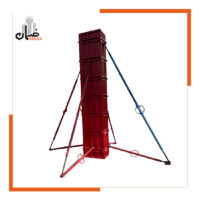
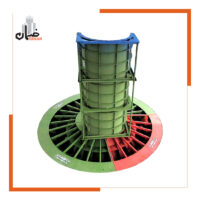
metal concrete formwork
or seek second-hand options, quality remains our red line at Zeman.
2. New Concrete Formwork: Long-Term Investment or Unnecessary Expense?
New formwork systems, which come directly off the factory production line (such as those manufactured by Zeman), feature polished steel sheets, perfectly squared edges, and standard CO₂ welds.
Advantages of Purchasing New Formwork
- Extremely long service life: A new formwork panel made of 3 mm Mobarakeh steel sheet can be used more than 50 times across multiple projects if properly maintained.
- Mirror-like concrete surface: If your project requires exposed architectural concrete, purchasing new formwork is the only viable option.
- Execution speed: New formwork panels are free from warping;
pins and wedges
fit easily, and assembly and disassembly are faster, which significantly reduces labor costs.
Disadvantages
- The only drawback of new formwork is its higher initial cost, which may be challenging for small-scale projects or those with limited budgets.
- Key point: If you are a contractor handling consecutive projects, purchasing new formwork is not an expense—it is an investment in your working tools that will generate revenue for you over many years.
3. Used Concrete Formwork: A Golden Opportunity or a Hidden Threat?
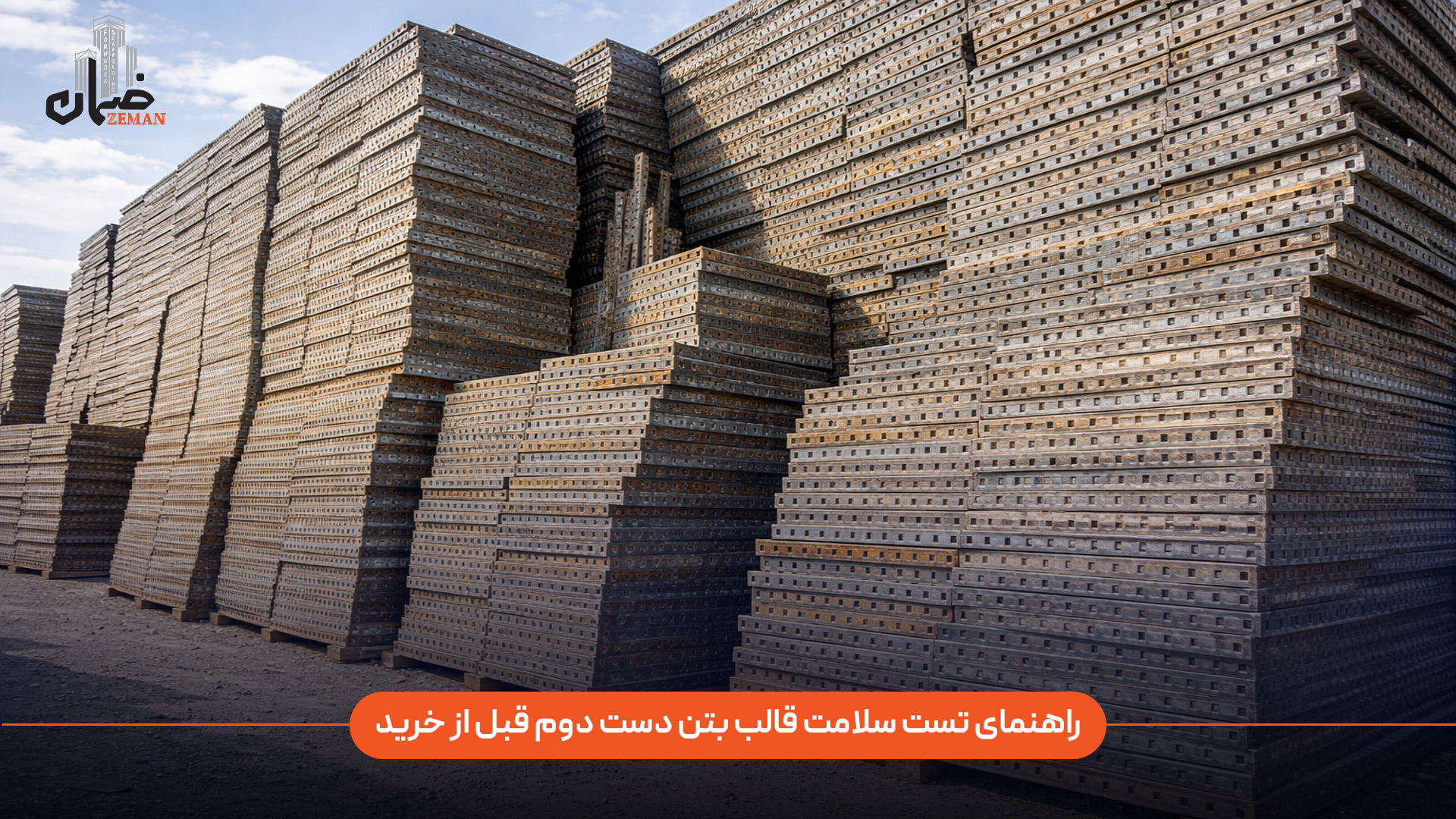
We now arrive at the main discussion: used concrete formwork. This term in the steel and construction equipment market covers a wide spectrum—from formwork that has been used only once (almost new) to panels that have spent ten years exposed to rain and hammer impacts (essentially scrap).
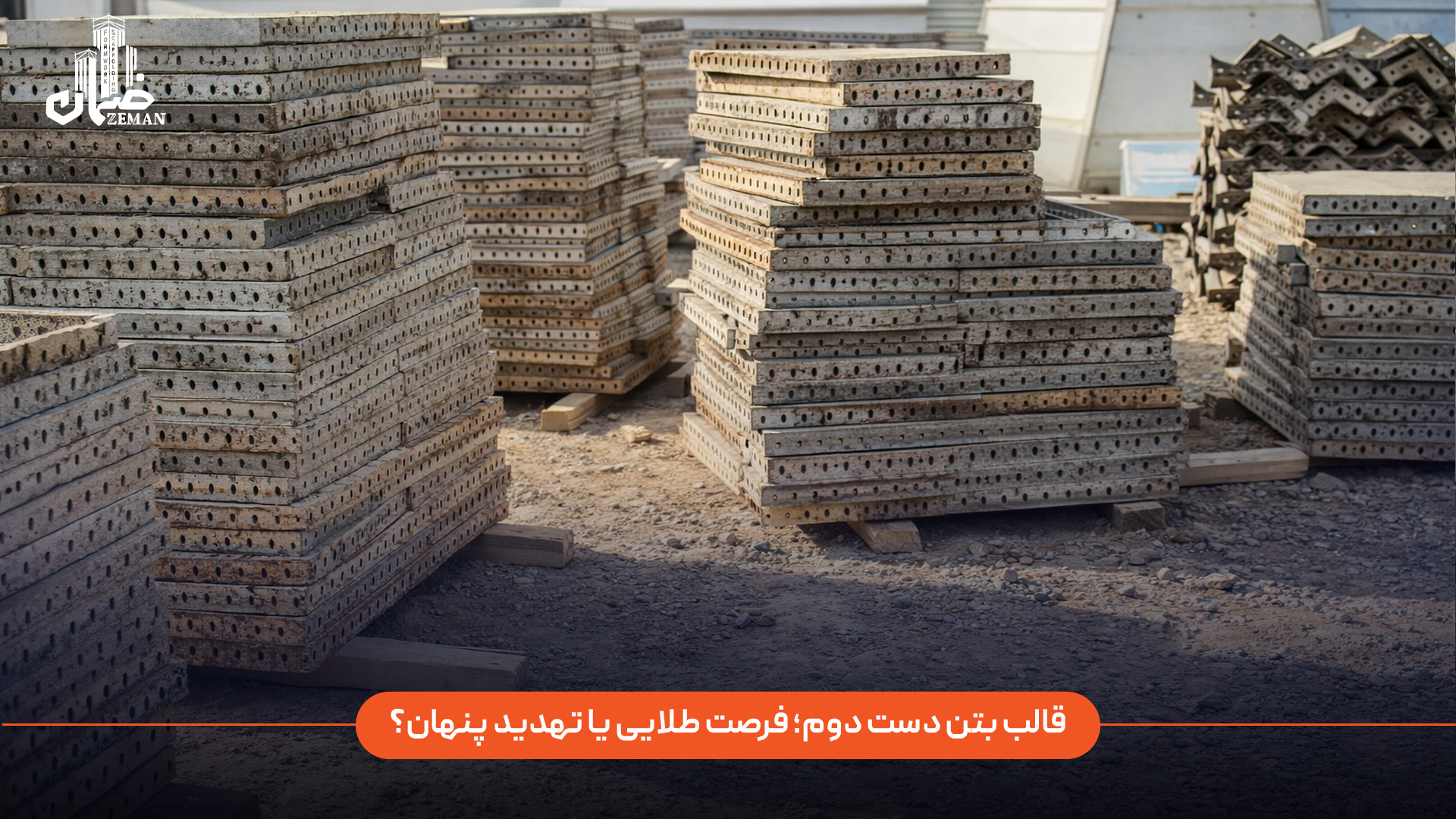
Why Do Contractors Turn to Used Concrete Formwork?
The primary attraction is price. The cost of used concrete formwork is typically 30% to 50% lower than that of new formwork. In projects that require several tons of formwork equipment, this price difference becomes substantial and can significantly improve project cash flow—or even save it altogether.
But Is Every Used Formwork Worth Buying?
No! Purchasing used formwork is like walking on the edge of a razor. If you do not buy from a reputable seller or a company such as Zeman that inspects and verifies the condition of the formwork, you may end up with scrap metal that is not even worth selling by weight.
4. Technical Assessment: Risks of Purchasing Low-Quality Used Concrete Formwork
Before searching the keyword “buy used concrete formwork” on Google and choosing the cheapest option, you must be aware of the risks that may lie ahead:
a) Warping and Twisting
Formwork panels may become warped due to being dropped from heights or subjected to excessive pressure during concrete pouring. When two warped panels are placed next to each other, their edges fail to align and fit properly.
- Result: Grout leakage, honeycombing of columns, and a severe reduction in concrete strength.
b) Deformation of Straps (Edges)
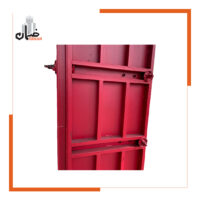
The perimeter straps of formwork panels are responsible for withstanding the pressure exerted by pins and wedges. In worn-out formwork, the pin and wedge holes may become enlarged or torn.
- Result: Loosening of the formwork panels and opening of the formwork during concrete pouring (risk of formwork blowout).
c) Uneven Surface (Hammer Marks)
Workers often strike the formwork to detach hardened concrete from its surface. These impacts create dents and protrusions on the facing steel sheet.
- Result: The final concrete surface will be full of waves and irregularities, requiring thick layers of plastering or stone cladding to conceal defects (additional material costs).
d) Reduction in Steel Sheet Thickness
Steel sheets gradually become thinner due to corrosion and wear over time. A panel that originally had a thickness of 3 mm may be reduced to 2.5 mm or even 2 mm in its used condition.
- Result: A significant reduction in load-bearing capacity.
5. Comprehensive Comparison: Head-to-Head Battle Between New and Used Formwork
To make your decision easier, review the following comparison table:
| Feature | New Concrete Formwork (Zeman Production) | Used Concrete Formwork (Open Market) | Used Concrete Formwork (Zeman Certified) |
|---|---|---|---|
| Initial Cost | High (100%) | Low (50%–70%) | Moderate (60%–80%) |
| Concrete Surface Quality | Excellent (Exposed Concrete) | Poor (Requires Repair) | Moderate to Good |
| Remaining Service Life | Long (50+ Uses) | Uncertain (Possibly One Use Only!) | Defined and Inspected |
| Dimensional Accuracy (Squareness) | Precise | Likely Warped | Quality-Controlled |
| Resale Value (Liquidity) | Excellent (As Used Formwork) | Scrap Value | Good |
| Warranty | Provided | None | Condition Guarantee |
As you can see, at Zeman we offer a third option as well: clean, certified used concrete formwork. These formwork panels are inspected by our technical experts, repaired (rectified) where necessary, and represent a safe and reliable choice for contractors who do not have the budget for brand-new formwork.
6. Smart Strategy: When Should You Buy New and When Used?
The answer to the question “New or used?” depends entirely on the nature of your project:
Scenario 1: Luxury or High-Rise Projects
If you are constructing a high-rise building, a project with exposed shear walls, or a project in which the same formwork will be reused in five or more future jobs:
- Recommendation: Definitely new formwork. The risk of using second-hand formwork in sensitive and high-importance projects is extremely high.
Scenario 2: Foundations and Retaining Walls
For foundation concrete works that will be buried underground, where the appearance of the concrete is not critical:
- Recommendation: Sound and structurally healthy used concrete formwork. There is no need to pay for new formwork for foundations unless you plan to reuse the same panels later for columns or exposed elements.
Scenario 3: Small-Scale and Limited Projects
If you are a small contractor or a private builder constructing a single villa:
- Recommendation: Near-new used formwork or renting formwork. In many cases, purchasing used formwork and reselling it after project completion is more economical than renting.
7. Zeman’s Special Program: Buying New Formwork with Buyback Guarantee (Best Practice)
Let us share a commercial secret with you. What is the smartest move professional contractors make?
Many of our most successful clients, instead of purchasing low-quality used formwork, buy brand-new formwork from Zeman under an informal—or in larger volumes, even a written—agreement:
“Buy new formwork, use it throughout the project, and after completion, Zeman buys it back from you as used formwork.”
Why is this the most cost-effective approach?
- You benefit from the quality of new formwork throughout the project (high execution speed, safety, and smooth concrete surfaces).
- The depreciation from new to used becomes your only cost—which is usually far less than the cost of repairing defective concrete caused by worn-out formwork.
- You do not have to worry about selling the formwork after project completion, because Zeman is the guaranteed buyer.
- In reality, by paying only the difference between new and used formwork, you have not merely “rented” the best equipment—you have owned it while preserving your capital.
For more information about this program, please contact Zeman’s sales department.
8. Practical Checklist for Testing the Condition of Used Concrete Formwork Before Purchase
If you have firmly decided to purchase used concrete formwork, be sure to follow this checklist during inspection. These are points that formwork traders rarely tell you:
- The Warping Test: Place two identical panels together from the facing side (the surface that comes into contact with concrete). If a gap appears between them or they move relative to each other, the panels are warped and unsuitable for use.
- Inspection of Punched Straps: Examine the perimeter straps of the formwork (where pins and wedges pass through). If the holes are torn or the strap welds have separated from the sheet, the panel will require costly repairs.
- Surface Cleanliness: Panels with hardened concrete stuck to the surface carry false weight. You are paying for steel but receiving concrete. Moreover, removing this hardened concrete may damage the steel sheet.
- Steel Sheet Type: Try to identify the type of steel used. Mobarakeh Steel sheets maintain higher quality even in used condition compared to non-standard steel sheets.
- Weighing the Panels: Always weigh the formwork panels. Extremely lightweight panels indicate severe corrosion and a reduction in steel thickness. A standard 100×50 panel with a 5 cm edge should weigh approximately 20 kg.
Z in steel thickness. A standard 100×50 panel with a 5 cm edge should weigh approximately 20 kg.
Zeman’s recommendation: If the risks associated with purchasing used concrete formwork are too high for your project, you can take advantage of Zeman’s special sales programs or modular metal formwork systems, which offer competitive pricing while guaranteeing durability and project quality. Additionally, to further reduce costs, we recommend reading the article
Ways to Reduce Concrete Formwork Costs.
9. Final Conclusion and Purchase Consultation
Choosing between new and used concrete formwork does not follow a fixed formula. This decision is a balance between budget, required quality, and project duration.
- If quality and execution speed are your top priorities: do not hesitate—buy new formwork (you can always resell it later as used).
- If budget is the main constraint and the appearance of the concrete is of minor importance: choose sound, structurally healthy used concrete formwork (not scrap-grade material).
Zeman Company, with many years of experience in the construction industry, offers a wide range of solutions tailored to your needs:
- Manufacturing and selling new concrete formwork using Mobarakeh Steel sheets and CO₂ welding.
- Buying and selling used concrete formwork (sorted, repaired, and ready for immediate use).
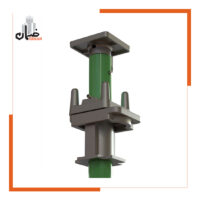
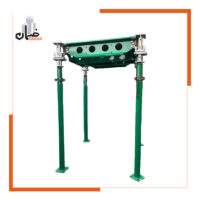
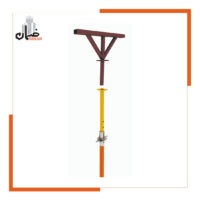
- Supplying formwork accessories and support equipment (adjustable props, soldiers, pins and wedges).
Not sure which option is best for your current project? Contact our technical consultants today. By reviewing your project drawings, we will provide you with the most economical and technically sound recommendation—whether a combination of new and used formwork or a fully optimized solution.