



Scaffolding Pipe
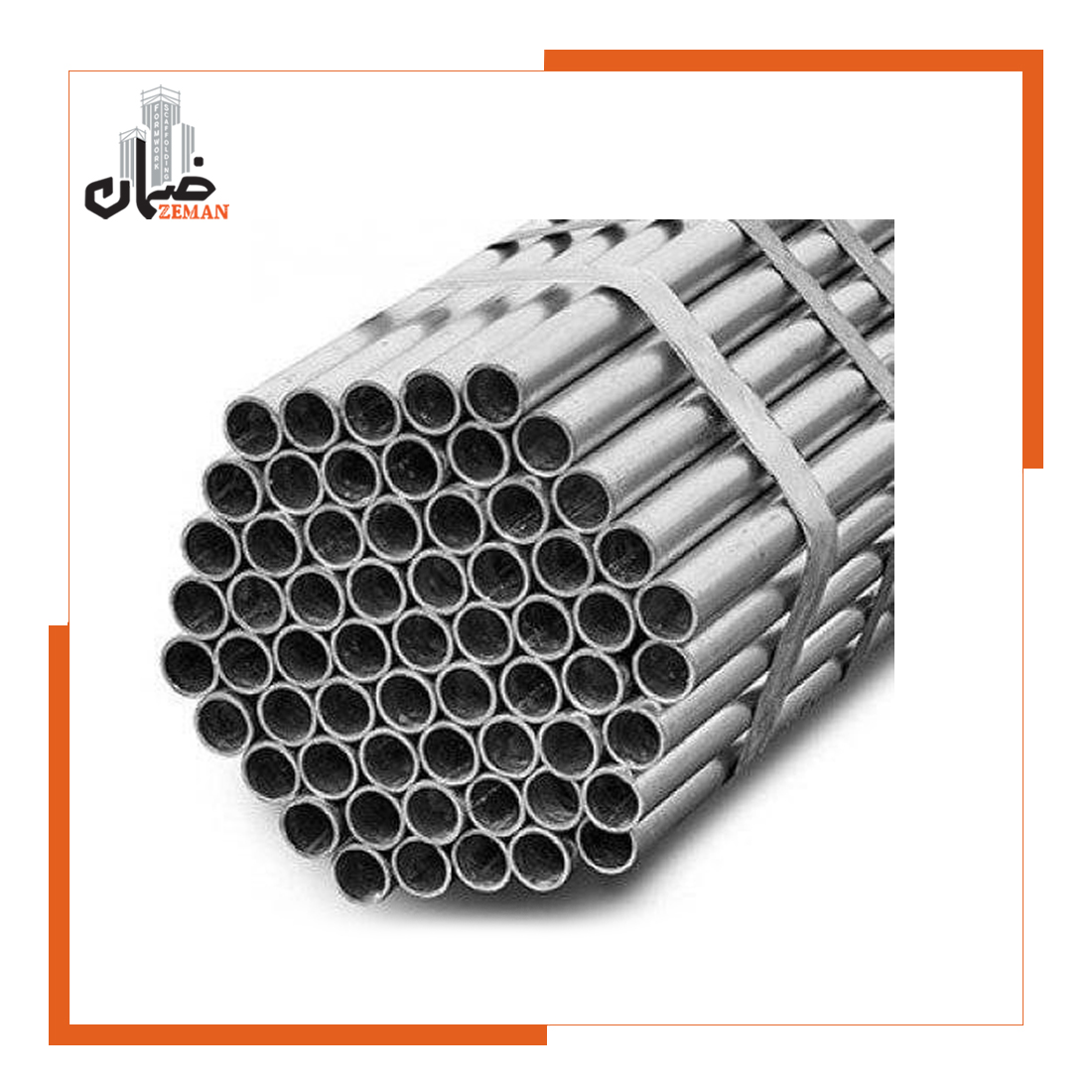
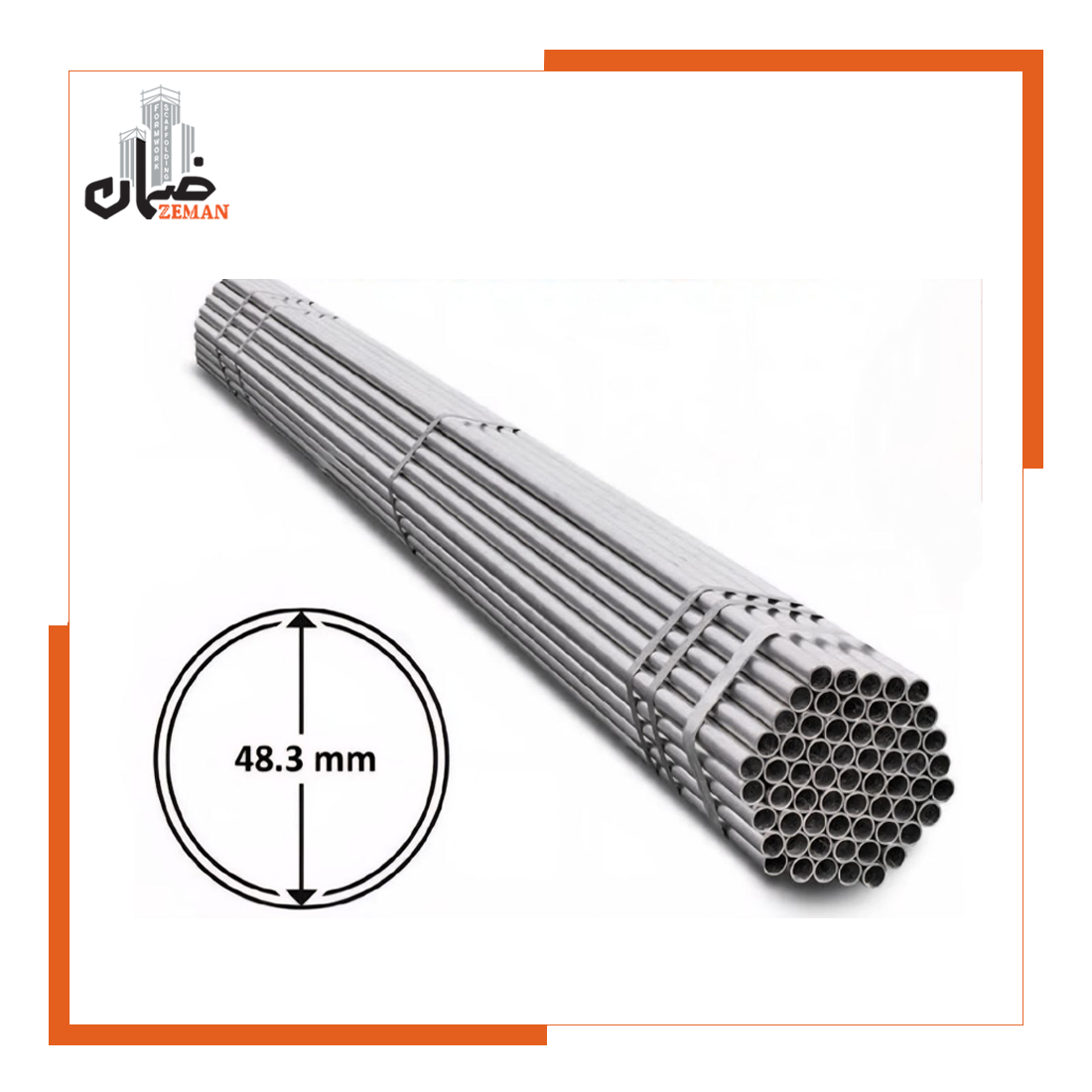
Scaffolding pipe is one of the most essential components of traditional scaffolding systems (tube and coupler scaffolding). These pipes form the main structural framework of the scaffold and are used in vertical, horizontal, and diagonal orientations to safely support the weight of workers, equipment, and construction materials.
Types of Scaffolding Pipes Based on Surface Coating
Black Steel Pipe:
A more economical option that requires protection and regular maintenance against corrosion and rust. It is the most commonly used type of scaffolding pipe in Iran.
Galvanized Pipe:
Highly resistant to corrosion and rust, making it suitable for humid environments and long‑term projects. This type has a higher cost compared to black steel pipes.
Applications of Scaffolding Pipes
Scaffolding pipes are widely used in temporary scaffolding systems for construction and industrial projects, including building façades, refineries, and industrial structures. They can be connected using fixed couplers, swivel couplers, spigots, and double (cross) couplers.
Safety Considerations
Scaffolding pipes must be free from cracks, severe corrosion, or deformation. The use of pipes with a wall thickness of less than 2.5 mm is not recommended. All scaffolding pipes should comply with recognized standards such as EN 39 or DIN 2440 to ensure structural integrity and operational safety.
Scaffolding Pipe
Scaffolding Pipes: The Lifeline of Construction and Industrial Projects
Scaffolding pipes are among the most fundamental and indispensable components of traditional scaffolding systems (tube and coupler scaffolding), playing a critical role in supporting temporary structures across construction, industrial, and civil engineering projects. These pipes are far more than simple metal components; they serve as the backbone of safety and structural stability in any project, bearing the loads imposed by workers, equipment, and construction materials.
The importance of scaffolding pipes extends well beyond that of a basic construction tool. Selecting a product that meets the highest technical, quality, and safety standards is a decisive factor in ensuring project success, minimizing risks, and achieving efficient execution. This comprehensive report examines in detail the technical specifications, types, international and domestic standards, manufacturing processes, as well as an analysis of the Iranian market outlook, providing a deep and expert‑level understanding of this essential product.
Technical Specifications, Dimensions, and Weight of Scaffolding Pipes
Metal scaffolding pipes are manufactured in precise and standardized specifications to ensure reliable connectivity and safety in temporary scaffold structures. The most common and widely recognized dimension for scaffolding pipes is an outside diameter of 48.3 mm, commonly referred to in the Iranian market as “Pipe No. 5.” This standardized diameter allows compatibility with internationally recognized couplers and fittings, ensuring full system integration and structural reliability.
In the market, scaffolding pipes are available in various lengths, with 6 meters being the most common standard length. Depending on project requirements, 3‑meter and 12‑meter pipes are also available, and shorter lengths may be produced through on‑site or factory cutting as needed.
The weight of a scaffolding pipe is directly determined by its wall thickness. In the Iranian market, these pipes are generally categorized as light, medium, or heavy, based on thickness. Common wall thicknesses range from 1.8 mm to 3.0 mm. This variation in thickness is not merely a technical detail; it directly affects cost, load‑bearing capacity, and ultimately, project safety.
For instance, light‑weight pipes with wall thicknesses below 2.0 mm may appear economically attractive, but they are often unsuitable for heavy‑duty applications or high‑rise scaffolding structures due to insufficient load capacity, thereby increasing safety risks. This aligns directly with established safety recommendations that discourage the use of scaffolding pipes with a wall thickness of less than 2.5 mm. Consequently, pipe weight and wall thickness are critical selection criteria and must be carefully aligned with the intended application and the specific safety requirements of each project.
The table below presents the weight specifications of 6‑meter scaffolding pipes based on different wall thicknesses.
| Type of Scaffolding Pipe | Outside Diameter (mm) | Wall Thickness (mm) | Weight per 6‑Meter Length (kg) |
|---|---|---|---|
| Light Scaffolding Pipe | 48.3 | 1.8 | 12 |
| Light Scaffolding Pipe | 48.3 | 2.0 | 14 |
| Heavy Scaffolding Pipe | 48.3 | 2.5 | 17 |
| Heavy Scaffolding Pipe | 48.3 | 3.0 | 21–26 |
This table serves as an important reference for contractors and engineers, as it enables quick comparison of prices and load‑bearing capacities and acts as a practical benchmark for quality verification at the time of purchase.
Types of Scaffolding Pipes Based on Surface Coating
Scaffolding pipes are primarily manufactured in two main categories based on their surface coating:
Black Steel Scaffolding Pipes
This type of pipe is the most common and cost‑effective option in the Iranian market. Black steel pipes have no protective surface coating and are therefore more vulnerable to moisture and corrosion. As a result, their use is mainly recommended for temporary projects and low‑humidity environments.
Galvanized Scaffolding Pipes
These pipes undergo a hot‑dip galvanization process, during which they are coated with a layer of zinc. This coating provides excellent resistance against corrosion, rust, and harsh environmental conditions. Consequently, galvanized scaffolding pipes are an ideal choice for humid regions, industrial environments, refineries, and long‑term projects where high durability is required.
It is worth noting that a common misconception in the market concerns the difference in raw materials between black and galvanized pipes. In reality, both types are manufactured from steel, and—when produced from the same alloy—their mechanical properties and tensile strength are completely identical. The primary difference lies solely in the surface coating, which significantly enhances corrosion resistance. This clarification provides a more accurate technical understanding of the product.
Safety and Quality Standards for Scaffolding Pipes: Why Standards Matter
Safety and quality standards for scaffolding pipes are critically important because they ensure that the scaffold structure meets acceptable levels of strength, load‑bearing capacity, and overall safety. Non‑standard pipes significantly increase the risk of bending, cracking, or even total structural collapse, potentially resulting in severe financial losses and serious injuries or fatalities.
Compliance with recognized standards improves durability, ensures compatibility with scaffolding fittings, and facilitates approval by site supervisors and insurance companies. Below is a detailed review of the key safety standards governing scaffolding pipes.
Key International Standards
Using scaffolding pipes manufactured in accordance with internationally recognized standards is essential for ensuring worker safety and structural stability. Two standards are particularly significant in this field:
EN 39 Standard
EN 39 is a specialized and widely recognized European standard for steel tubes used specifically in scaffolding systems. It defines precise requirements related to dimensions, material grades, mechanical properties (such as minimum yield and tensile strength), and testing methods. Compliance with EN 39 guarantees that scaffolding pipes can safely withstand designated loads under various operating conditions.
This standard is followed by major global manufacturers and is considered a benchmark for quality and safety. Conformance to EN 39 reflects a clear commitment to the highest levels of technical reliability and occupational safety.
DIN 2440 Standard
DIN 2440 is a German standard primarily developed for welded and seamless steel pipes used for conveying liquids and gases under defined pressure levels (up to 25 bar for liquids and 10 bar for gases).
Although both standards deal with steel pipes, their intended applications are fundamentally different.
Scaffolding pipes are safety‑critical structural components designed to bear external loads, whereas DIN 2440 focuses on resistance to internal pressure. Therefore, referencing DIN 2440 as a scaffolding standard is a common market misconception that reflects a lack of technical understanding and commitment to safety.
In the scaffolding industry, compliance with the specialized EN 39 standard clearly demonstrates professional expertise and adherence to proper engineering and safety principles.
Practical Safety Guidelines
In addition to pipe quality, proper installation and usage practices are equally vital. According to safety guidelines:
- Pipes must be free from cracks, severe corrosion, or deformation.
- Wall thickness should not be less than 2.5 mm, as this is the minimum thickness required to ensure sufficient strength for heavy‑duty and safe applications.
During scaffold installation:
- Vertical spacing between pipes should be 1.7 to 2 meters
- Horizontal spacing should not exceed 3 meters
- Platform width should range between 70 and 160 centimeters to allow safe worker movement
Adhering to these guidelines, along with using high‑quality pipes, ensures maximum safety across construction projects.
Manufacturing Process: Quality Assurance from the Start
The production of metal scaffolding pipes involves a precise industrial process in which each stage directly affects the final strength and quality of the product.
Raw Materials and Production Method
The primary raw material used in scaffolding pipe production is black steel sheet (ST37). The manufacturing process follows the same principles as straight‑seam welded pipe production and includes the following steps:
-
Sheet Preparation
Steel sheets are cut to the required width to achieve the final pipe diameter. The sheets then undergo pickling to remove contaminants and corrosion residues.
-
Forming
The prepared sheet passes through multiple rollers that gradually bend it—from a U‑shape into a fully circular form.
-
Welding
The most critical stage is welding the longitudinal seam. High‑Frequency Resistance Welding (HF‑EW) is used, which ensures a strong, continuous weld and significantly enhances seam integrity—an essential factor for scaffolding safety.
Quality Control and Packaging
Reputable manufacturers subject scaffolding pipes to rigorous quality tests, including:
- Chemical composition analysis
- Mechanical property testing
- Dimensional inspection
- Hydraulic pressure testing
- X‑ray testing to verify weld integrity
These procedures guarantee full compliance with technical specifications and relevant standards.
After passing quality inspections, pipes are packaged using standard protective methods to prevent damage during transportation. Common packaging methods include waterproof plastic covers, woven bags, and steel straps for bundling pipes into defined lots.
Scaffolding Pipe Market Analysis in Iran: Competitors, Opportunities, and Advantages
Due to sustained activity in construction, civil engineering, and industrial projects, the scaffolding pipe market in Iran remains consistently in high demand. This market features a combination of domestic production and limited imports, creating competition based on quality, pricing, and after‑sales support.
A clear understanding of competitors, growing safety requirements, and competitive advantages—such as offering certified and durable products—plays a decisive role in market success.
Overview of the Domestic Market
The Iranian scaffolding pipe market is dynamic and highly competitive, with pricing heavily influenced by fluctuations in steel and iron prices. Prices are often updated on a daily or even hourly basis. Familiarity with major manufacturers and their production capacities is essential for all stakeholders in the industry.
Key Factors Affecting Scaffolding Pipe Pricing
Scaffolding pipe pricing depends on several critical factors beyond raw steel costs, including:
- Pipe thickness and weight: Heavier pipes require more material and are priced higher
- Surface coating type: Galvanized pipes are more expensive due to additional processing and zinc usage
- Pipe length: Standard lengths (such as 6 meters) typically offer better pricing efficiency
- Steel market volatility: The most influential factor in daily pricing
- Logistics and supply chain efficiency: Proximity to raw material sources and transportation ease can provide a competitive pricing advantage
Competitive Advantage: Why Choose Our Scaffolding Pipes?
In a highly competitive market, choosing a scaffolding pipe supplier should go beyond price comparison. Selecting a reliable partner ensures safety, quality, and long‑term performance.
Quality Assurance and Standards Compliance
Our scaffolding pipes are manufactured in strict compliance with leading international standards—particularly EN 39. This commitment differentiates our products from those produced under more general or non‑specialized standards.
Product Range for Every Application
By offering both black steel and galvanized scaffolding pipes, we provide optimized solutions for all project types—from short‑term use in dry conditions to long‑term installations in aggressive or humid environments.
Technical Support and Expert Consultation
We position ourselves not only as a supplier, but as a technical partner. Our in‑depth knowledge of specifications, weights, and standards enables clients to select the safest and most efficient option tailored to their project requirements.
Final Note
Ultimately, purchasing scaffolding pipes from a reputable source represents an investment in safety, durability, and peace of mind. It is a sustainable approach to ensuring project success while minimizing risks across construction, industrial, and civil engineering applications.
Get expert advice
Our sales experts at Zaman are ready to provide guidance and advice before your purchase.

Reviews
There are no reviews yet.