



Project Title :Nooshehr Combined Cycle Power Plant
About Project
Key Highlights of the Nooshehr (Caspian) Combined Cycle Power Plant Project
Capacity and Advanced Technology
This power plant, with a capacity of 460 MW (single-shaft, F-class), is recognized as the first installation of its kind in Iran. It delivers a high overall efficiency of approximately 57 percent and plays a significant role in ensuring stable and reliable power supply for the country.
Scheduling and Execution
The project was completed in the year 1400 (2021) with a focus on the steam unit, although overall execution activities had commenced in 1395 (2016). The execution period of the critical phase was approximately three months, and the project was carried out by Khazar Energy Structures Development Company.
Achievements and Innovations
Studies indicate that this project represents a major step forward in the development of national energy infrastructure through cost optimization, utilization of more than 50 percent domestically manufactured equipment, and the implementation of modern systems such as ZLD for water treatment, as well as the largest step-up transformer in Iran (550 MVA). Nevertheless, challenges such as recent financial liabilities have affected its operation.
Collaborations and Challenges
The contract was concluded with the Mahtab Group, one of the largest private-sector clients in the power industry. Engineering documentation was prepared by international consultants such as Fichtner (Germany) and AF-Consult (Switzerland). However, the technical complexity associated with being the first F-class power plant in the country highlighted the need for precise schedule management.
Project Overview
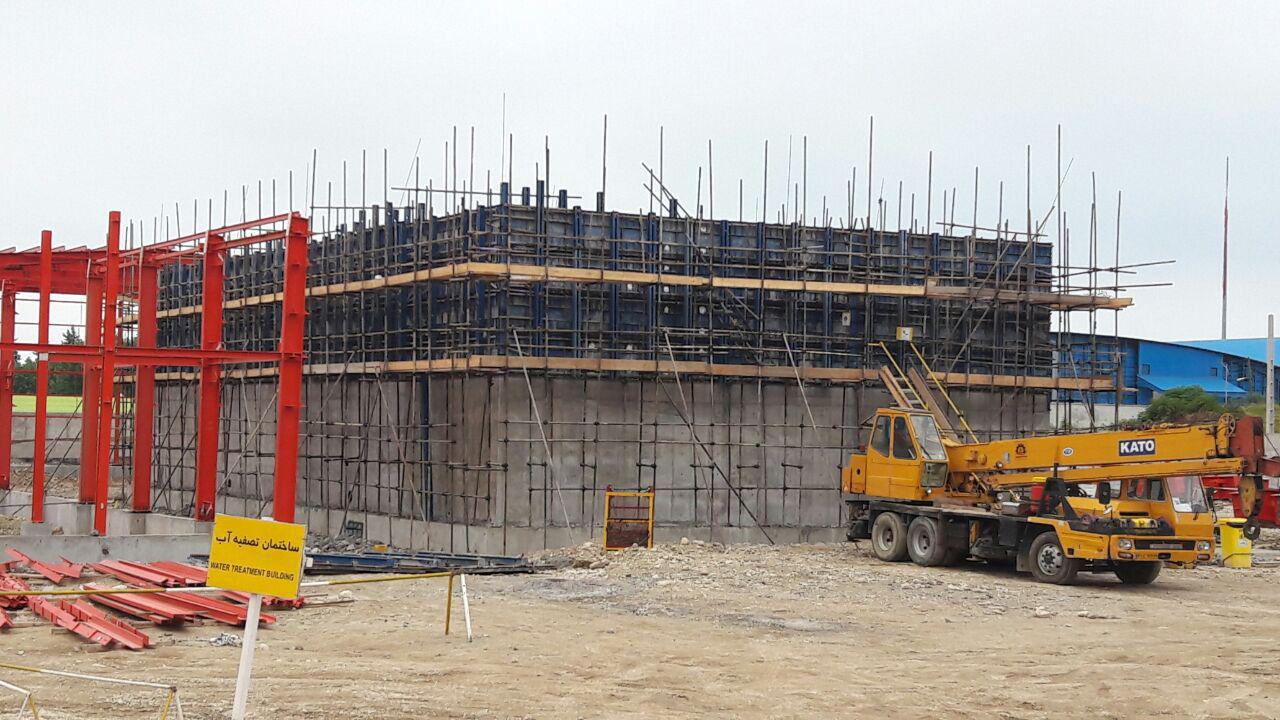
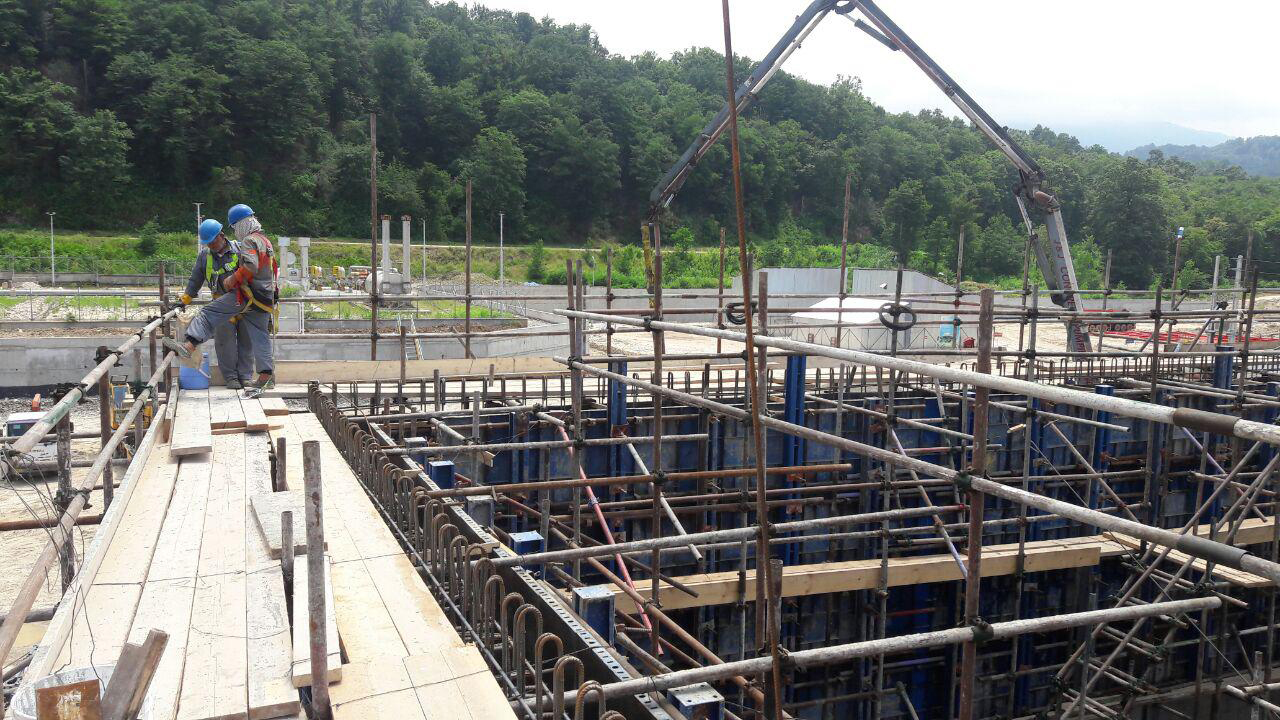
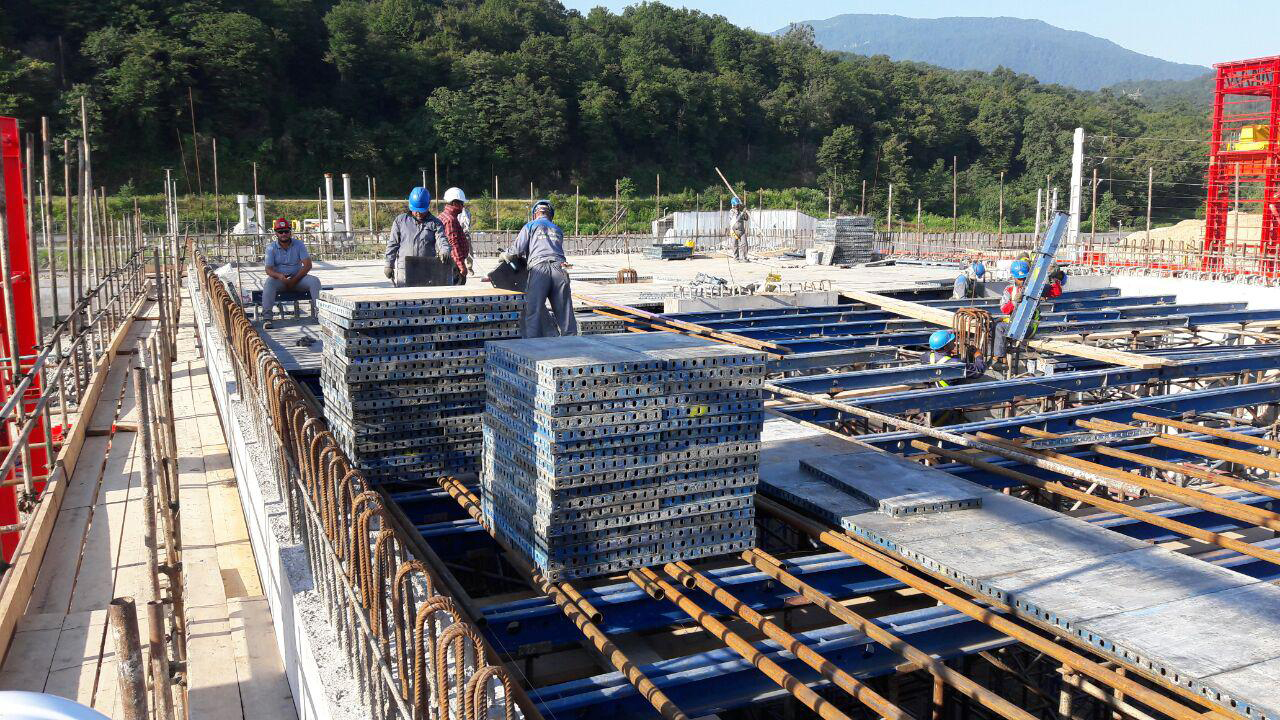
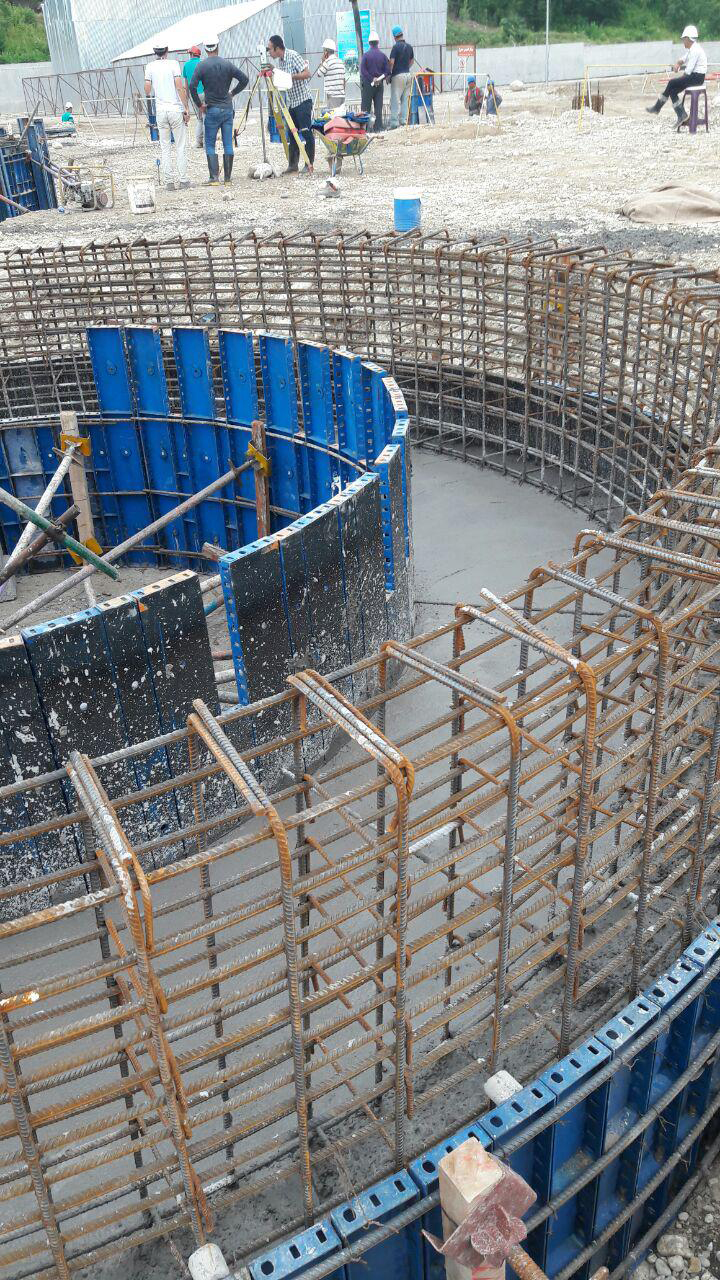
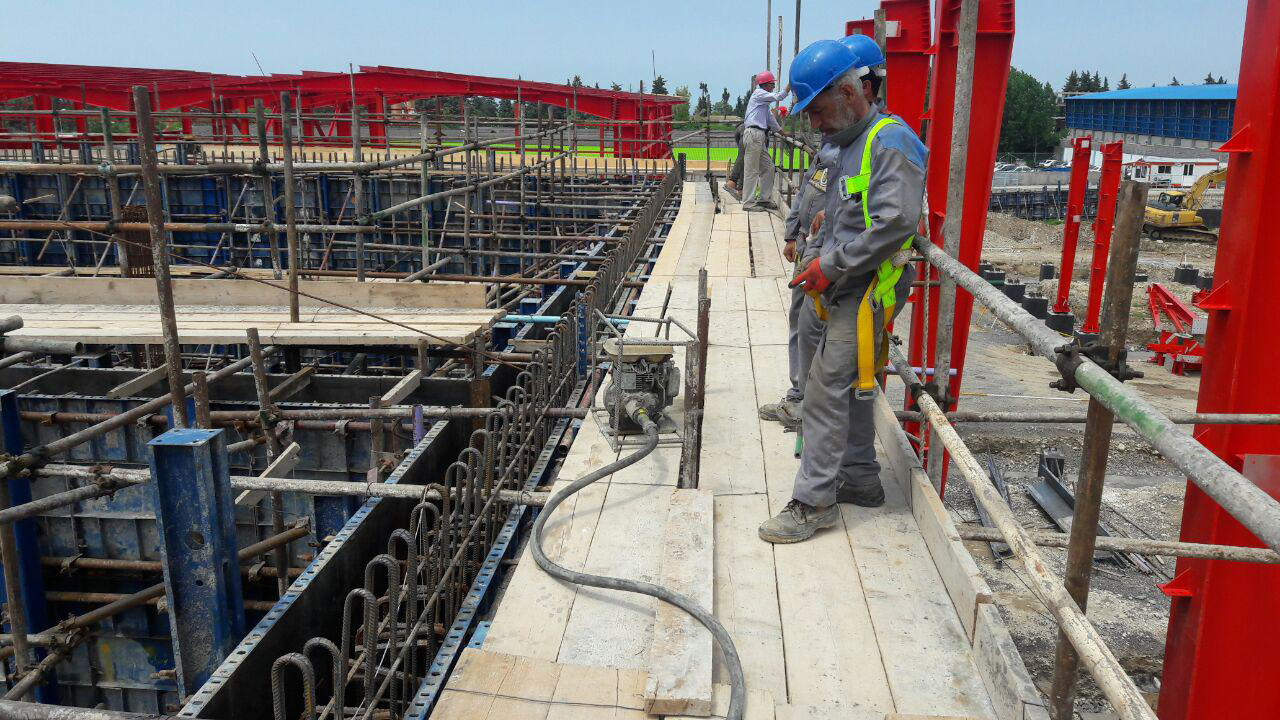
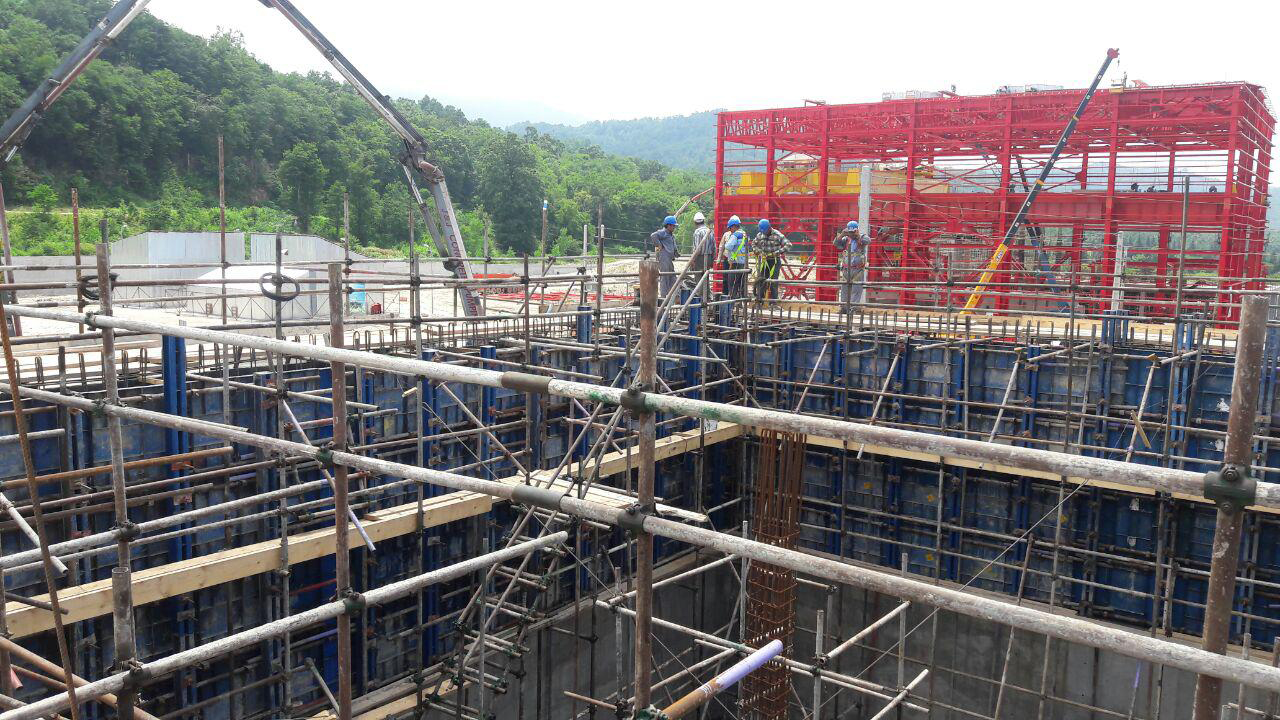
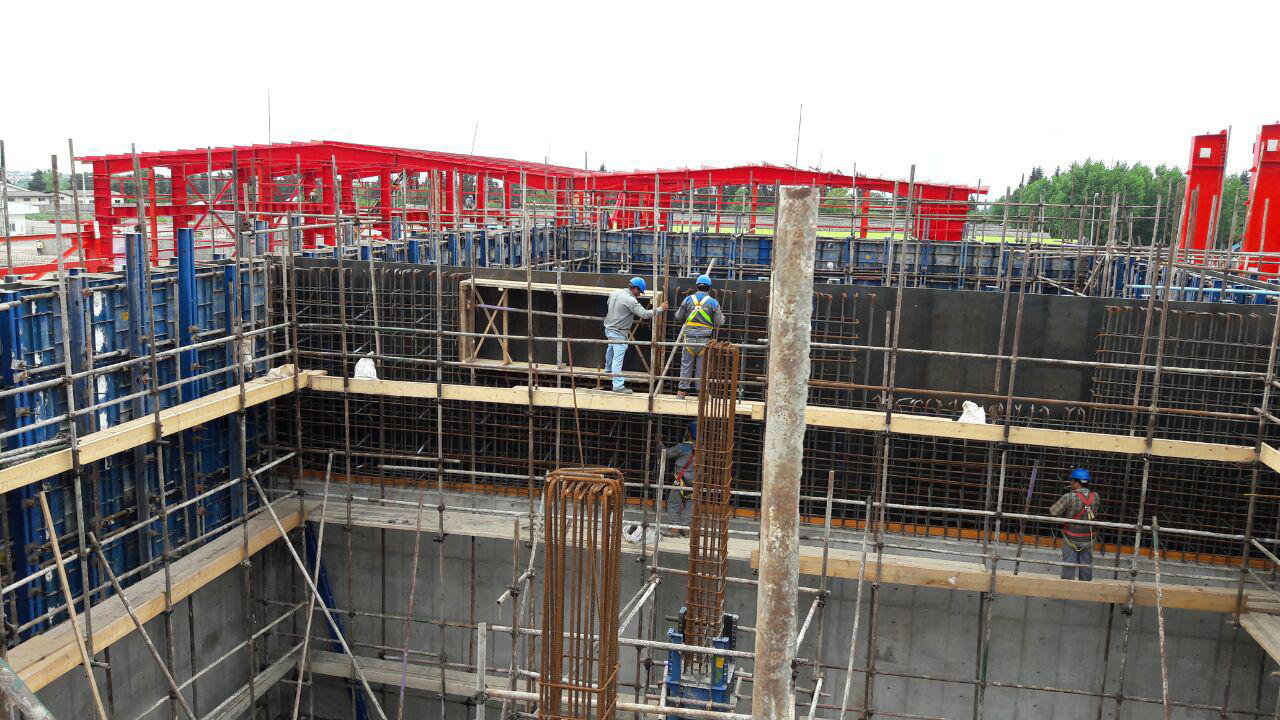
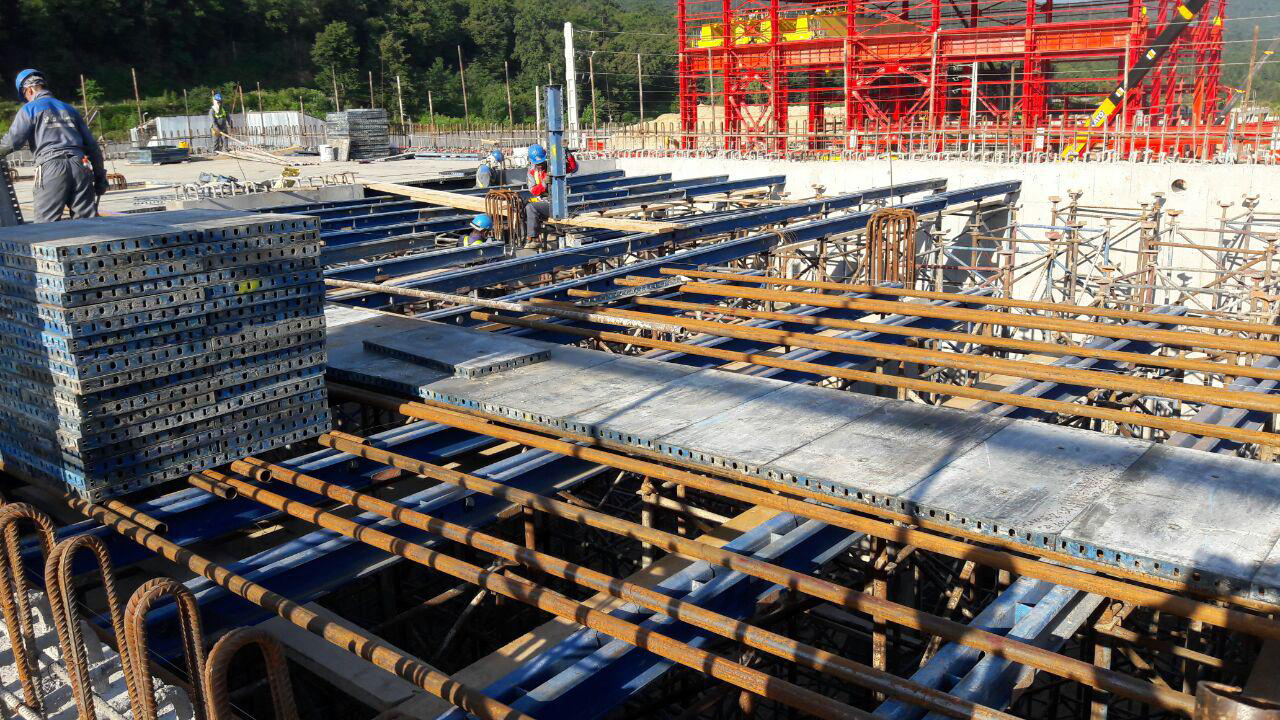
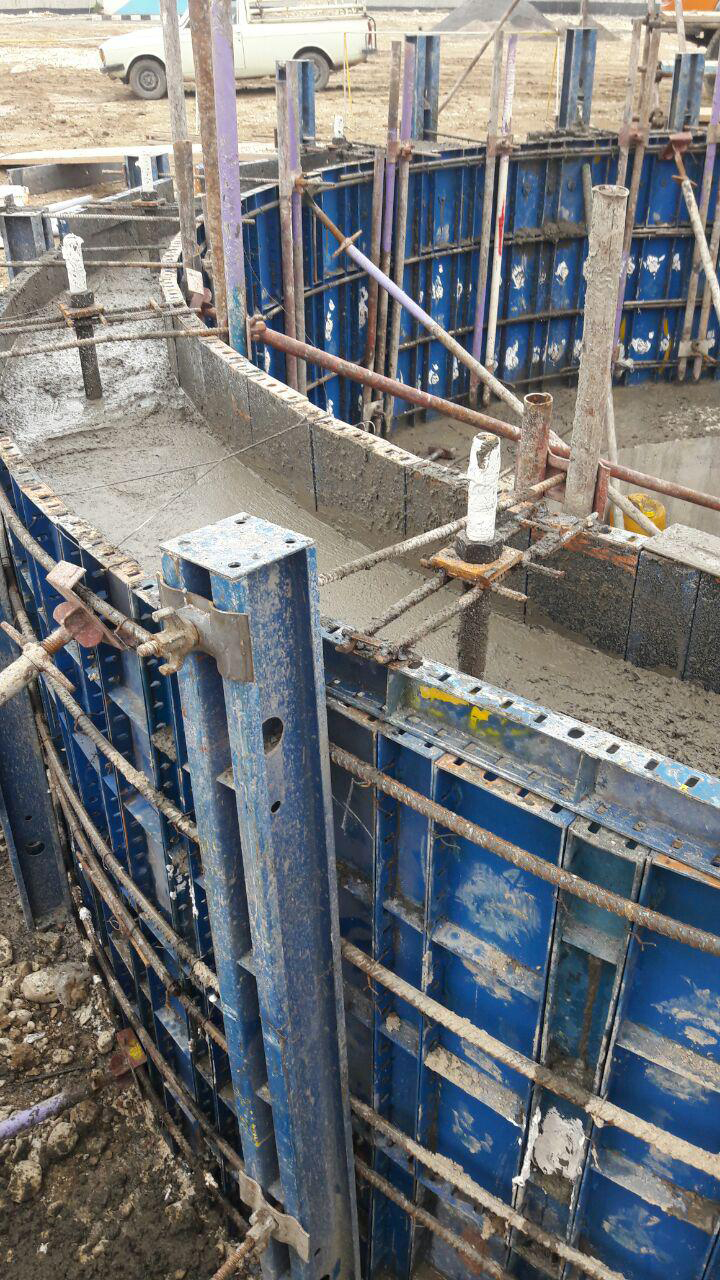
The Nooshehr Combined Cycle Power Plant, also known as Caspian, was constructed in response to the country’s growing demand for reliable electricity. The project was executed by Khazar Energy Structures Development Company and, by focusing on single-shaft F-class technology, ensures high efficiency. It is located in Nooshehr County, Mazandaran Province, along the Beltway Road, Mine Road, Parasto Street, and has significantly contributed to strengthening the power grid of western Mazandaran.
Execution Process and Documentation
Engineering activities were carried out at a high pace to comply with the compressed project schedule. Basic engineering documentation was prepared by Fichtner (Germany) and AF-Consult (Switzerland), while detailed documentation was developed by the equipment manufacturers in cooperation with Ghods Niroo Company. The engineering team of United Energy Developers produced more than 5,000 technical documents, providing comprehensive technical support.
Key Achievements
This project is a symbol of Iran’s engineering capabilities and includes innovations such as construction within a limited area of approximately 8 hectares, installation of a 460-ton overhead crane (for the first time in Iran), implementation of ZLD and RO+EDI water treatment systems, an integrated auxiliary cooling system, and the SPPA-T-3000 control system under Siemens license. In addition, the transportation of heavy equipment via the Black Sea, Volga River, and the Caspian Sea represented a significant logistical achievement.
General Description of the Nooshehr Combined Cycle Power Plant Project
The Nooshehr Combined Cycle Power Plant, also known as Caspian, is one of the key power generation projects in Iran, implemented to meet the country’s increasing demand for electrical energy. The plant has a nominal ISO capacity of 460 MW (approximately 310 MW gas unit and 150 MW steam unit) and is designed and constructed based on single-shaft F-class technology, making it the first project of this type in Iran. The overall efficiency is approximately 57 percent, offering improved fuel utilization and reduced emissions compared to older power plants. The reported availability factor of 96 percent reflects a high level of operational reliability.
The project was executed by Khazar Energy Structures Development Company as the main contractor and reached commercial operation in 1400 (2021), with emphasis on completion of the steam unit, although overall construction activities had started in the summer of 1395 (2016). The execution period of the critical phase was approximately three months. The contract was concluded with the Mahtab Group, one of the largest private-sector power producers in Iran. The project investor is the Thermal Power Generation Company, which purchases the plant’s capacity and generated energy under an Energy Conversion Agreement (ECA). After the guaranteed purchase period, electricity will be supplied to the national grid through the power market.
Despite the technical complexity associated with being the first F-class power plant in the country, engineering activities were performed efficiently to meet the compressed schedule. Basic documentation was prepared by reputable international consultants such as Fichtner (Germany) and AF-Consult (Switzerland), while detailed engineering documents were developed by system and equipment manufacturers in cooperation with Ghods Niroo Company. All design technical support was provided by the engineering team of United Energy Developers, resulting in the preparation of more than 5,000 technical documents. This extensive documentation ensured execution quality and serves as a benchmark for future power projects in Iran.
The achievements and innovations of this project are extensive and have positioned it as a symbol of engineering and execution capability within the national power industry. Key accomplishments include the construction of the first 460 MW thermal power plant within a compact area of approximately 8 hectares, demonstrating spatial optimization. Additional innovations include optimization of contracting costs compared to other domestic contractors, supply and installation of a 460-ton turbine overhead crane for the first time in Iran, and implementation of a new ZLD system for treatment of chemical and hazardous effluents, along with an RO+EDI system for demineralized water production.
Other achievements include the first integrated auxiliary cooling system enabling simultaneous gas and steam operation, the largest step-up transformer in Iran with a capacity of 550 MVA, and the first distributed control system (SPPA-T-3000) under Siemens license. More than 50 percent of the project equipment was supplied through domestic manufacturing capabilities, contributing to the strengthening of local industries. Furthermore, transportation of the heaviest power plant consignments via the Black Sea, Volga River, and the Caspian Sea represented a major logistical accomplishment that overcame significant geographical challenges.
From a strategic perspective, the project has contributed to reliable and continuous power supply, particularly in the western region of Mazandaran Province, and has supported voltage stabilization and reinforcement of the transmission and distribution network in the area. The plant is located in Nooshehr County, along the Beltway Road, Mine Road, and Parasto Street, providing suitable access to the national grid. The gas unit was first synchronized with the grid on Tir 31, 1397 (July 2018), the steam unit entered operation on Farvardin 18, 1400 (April 2021), and commercial operation in combined cycle mode commenced on Mordad 1, 1400 (July 2021).
Nevertheless, certain challenges have emerged. Recent reports indicate that in 1403 (2025), due to unpaid financial claims of approximately 17 trillion IRR from the Ministry of Energy, the power plant was taken offline and its operation suspended. This issue, announced by the CEO of Mahtab Caspian Power Plant, underscores the importance of addressing financial constraints within the power sector to prevent equipment deterioration. Despite these challenges, the Caspian project remains a significant milestone in the development of Iran’s energy infrastructure and serves as a valuable model for similar projects.
To provide a clearer technical overview, the following table summarizes the key specifications:
| Parameter | Details |
| Total Capacity | 460 MW (Gas: 310 MW, Steam: 150 MW) |
| Efficiency | 57% |
| Availability Factor | 96% |
| Turbine Type | Ansaldo AE94.3A (Gas) and MT15SS (Steam) |
| Site Area | Approximately 8 hectares |
| Domestic Equipment | More than 50% |
| Advanced Systems | ZLD, RO+EDI, Integrated Cooling, SPPA-T-3000 |
| Transportation Route | Black Sea, Volga River, Caspian Sea |
Project Achievements Table
| Achievement | Description |
| First Single-Shaft F-Class | Technological innovation in Iran |
| 460-ton Overhead Crane | First installation in the country |
| 550 MVA Transformer | Largest in Iran |
| Cost Optimization | Reduced costs compared to domestic competitors |
| Water Treatment | Advanced ZLD and RO+EDI systems |
Technical and Operational Specifications
- Total Capacity (ISO): 460 MW
- Gas Unit: 310 MW (AE94.3A or V94.3 Ansaldo Gas Turbine)
- Steam Unit: 150 MW (MT15SS Steam Turbine)
- Efficiency: 57% (up to 59% under optimized operating conditions)
- Availability Factor: 96%
- Power Plant Type: Single-shaft F-Class Combined Cycle Power Plant
- Fuel: Natural Gas (primary), Gas Oil/Diesel (backup)
- Site Area: 8–8.5 hectares
- Substation Voltage Level: 230 kV
- Key Systems: HRSG with supplementary firing (BHI, Korea), ACC (INNOSPIN, Switzerland), ZLD, RO+EDI, SPPA-T-3000 (Siemens), 460-ton overhead crane, 550 MVA transformer
- Construction Cost: Approximately EUR 259.5 million
- Domestic Equipment Content: More than 50%