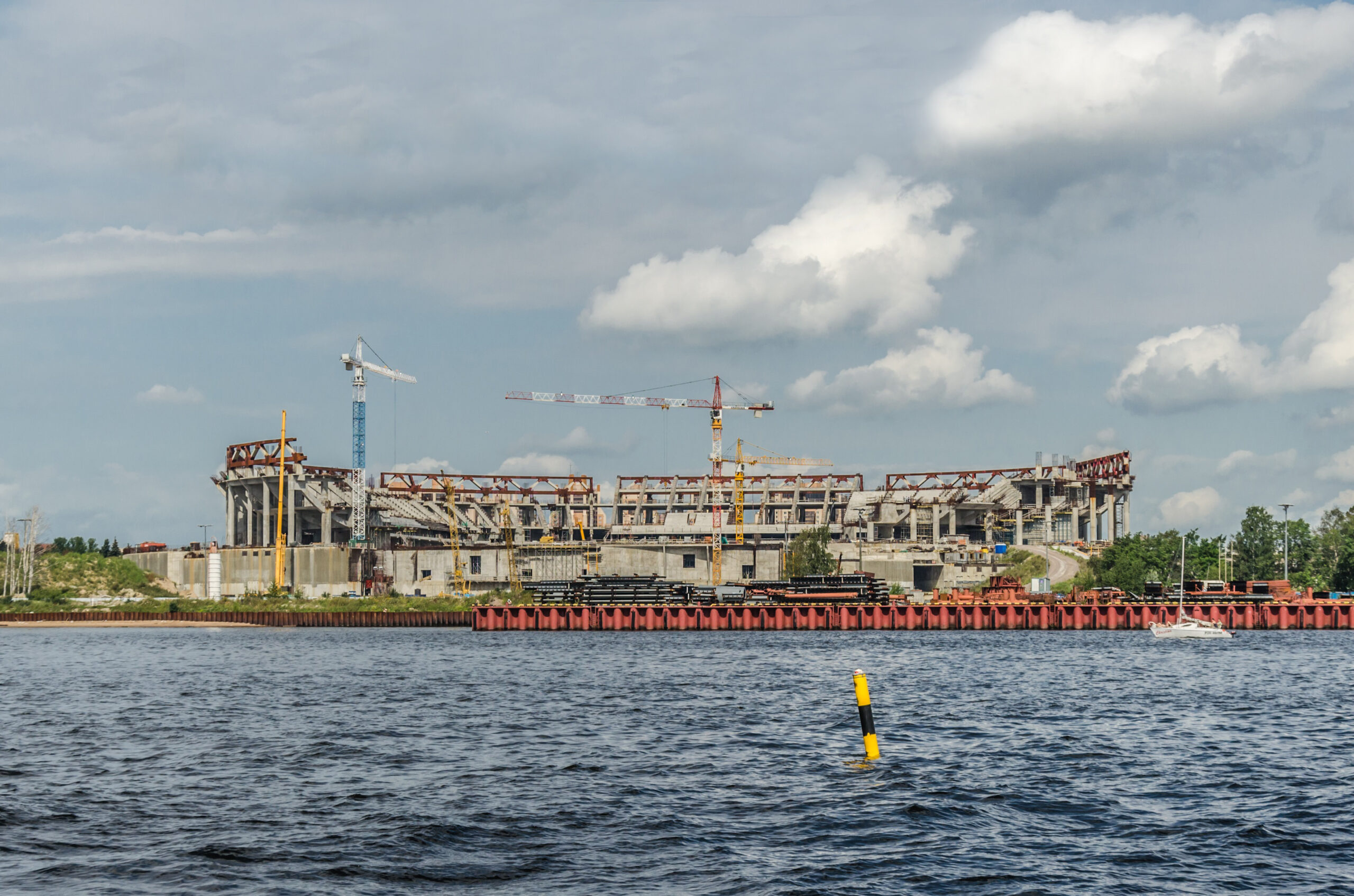
The total cost of the project exceeded 20 billion rubles (approximately USD 290–316 million), making this stadium the most privately funded and one of the most expensive sports venues in Russia. It is also considered among the most expensive stadiums in the world in terms of cost per seat.
Architecture and Visual Style:
The final design was developed by the renowned architectural studios gmp Architekten (Germany) in collaboration with the Russian architectural firm SPeeCH.
Construction execution: Esta Construction
Interior design: Maxim Rymar Studio
The structural concept of the stadium was inspired by the form of Roman amphitheaters and was designed using lightweight travertine stone. Its white stone façade, characterized by regular columnar lines, presents a classic and visually striking appearance.
The lightweight cable-supported roof, covered with a double-layer PTFE membrane, is integrated with lighting systems, a dedicated spectator heating system, and other advanced technical facilities.
Technology and Interior Facilities:
The stadium features the world’s first 360-degree panoramic display screen, with an area of approximately **4,700–4,800 square meters:
The total cost of the project exceeded 20 billion rubles (approximately USD 290–316 million), making this stadium the most privately funded and one of the most expensive sports venues in Russia. It is also considered among the most expensive stadiums in the world in terms of cost per seat.
Architecture and Visual Style:
The final design was developed by the renowned architectural studios gmp Architekten (Germany) in collaboration with the Russian architectural firm SPeeCH.
Construction execution: Esta Construction
Interior design: Maxim Rymar Studio
The structural concept of the stadium was inspired by the form of Roman amphitheaters and was designed using lightweight travertine stone. Its white stone façade, characterized by regular columnar lines, presents a classic and visually striking appearance.
The lightweight cable-supported roof, covered with a double-layer PTFE membrane, is integrated with lighting systems, a dedicated spectator heating system, and other advanced technical facilities.
Technology and Interior Facilities:
The stadium features the world’s first 360-degree panoramic display screen, with an area of approximately 4,700–4,800 square meters, installed around the entire upper perimeter of the seating tiers, also serving as a replacement for the traditional main scoreboard.
An infrared heating system installed beneath the roof provides enhanced spectator comfort in cold weather conditions.
The artificial turf of the football field is supported by a modern plant nourishment system incorporating ventilation, lighting, and an underground heating system.
The total volume of reinforced concrete used in the construction of the stadium was approximately 135,000 cubic meters, executed over a period of around 14 months. This volume includes the foundations, walls, seating tiers, columns, and roof slabs.
This amount of concrete is remarkably high for a stadium with a capacity of approximately 35,000 spectators and represents a significant portion of the project’s overall cost and structural scale.
Concrete Formwork Systems:
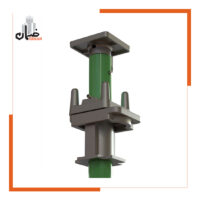
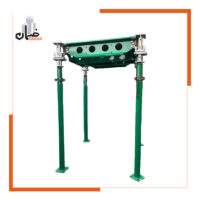
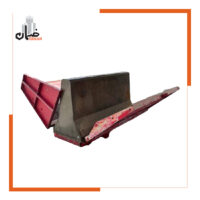
Heavy-duty multilayer concrete formwork systems for slabs and seating structures
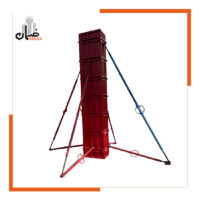
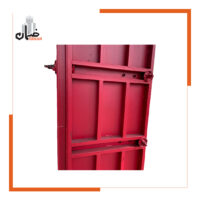
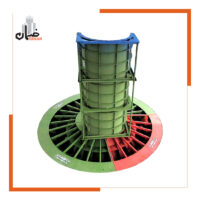
Adjustable modular formwork systems for columns, walls, and façades
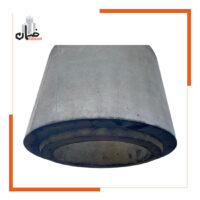
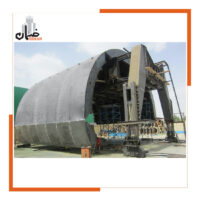
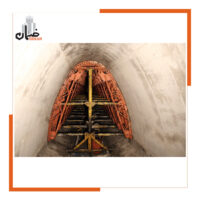
Curved and spherical formwork systems for creating the elliptical architectural geometry
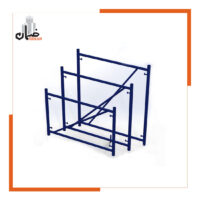
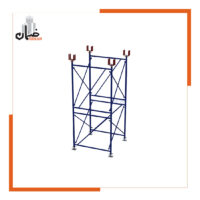
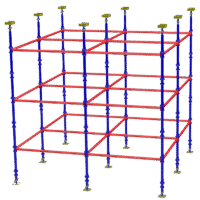
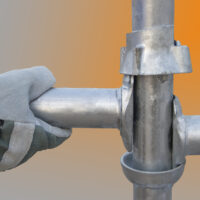
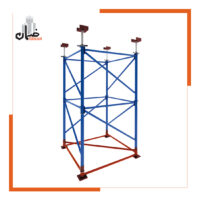
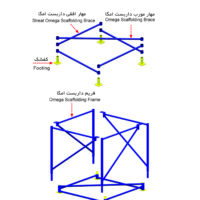
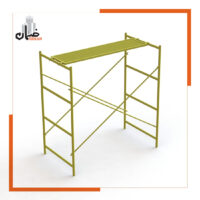
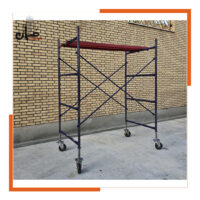
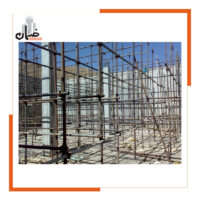
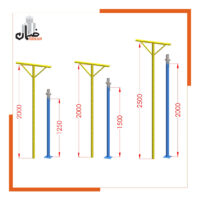
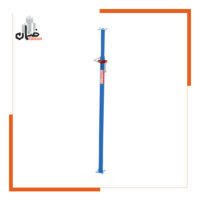
The scaffolding systems used in this project for concrete formwork execution included various system scaffolding solutions, such as Cuplock scaffolding and H-frame scaffolding.