



Plumbing Jack
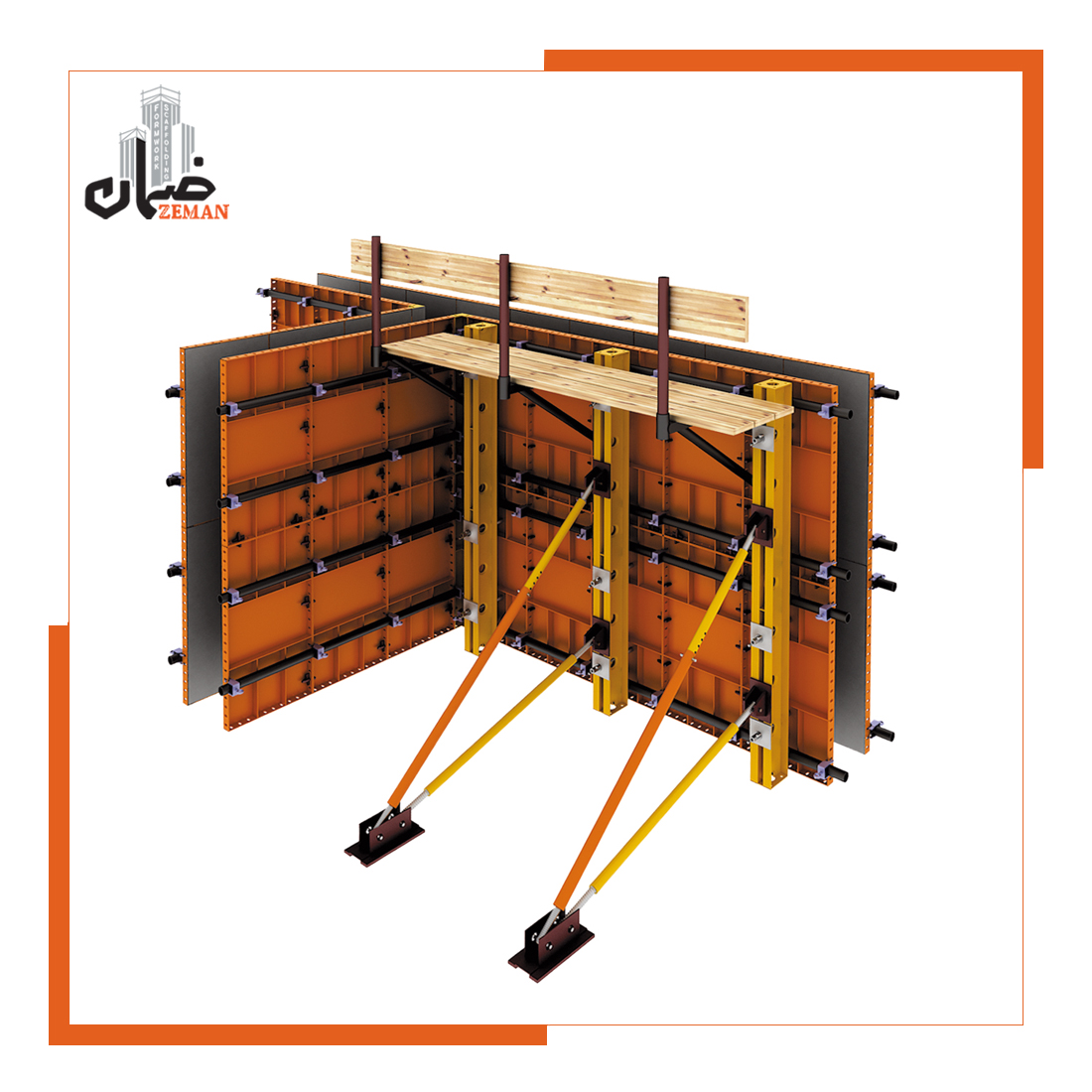
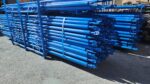
The plumbing jack, also known as a leveling jack or support prop, is one of the most critical and precise tools in building engineering for the execution of vertical concrete structures.
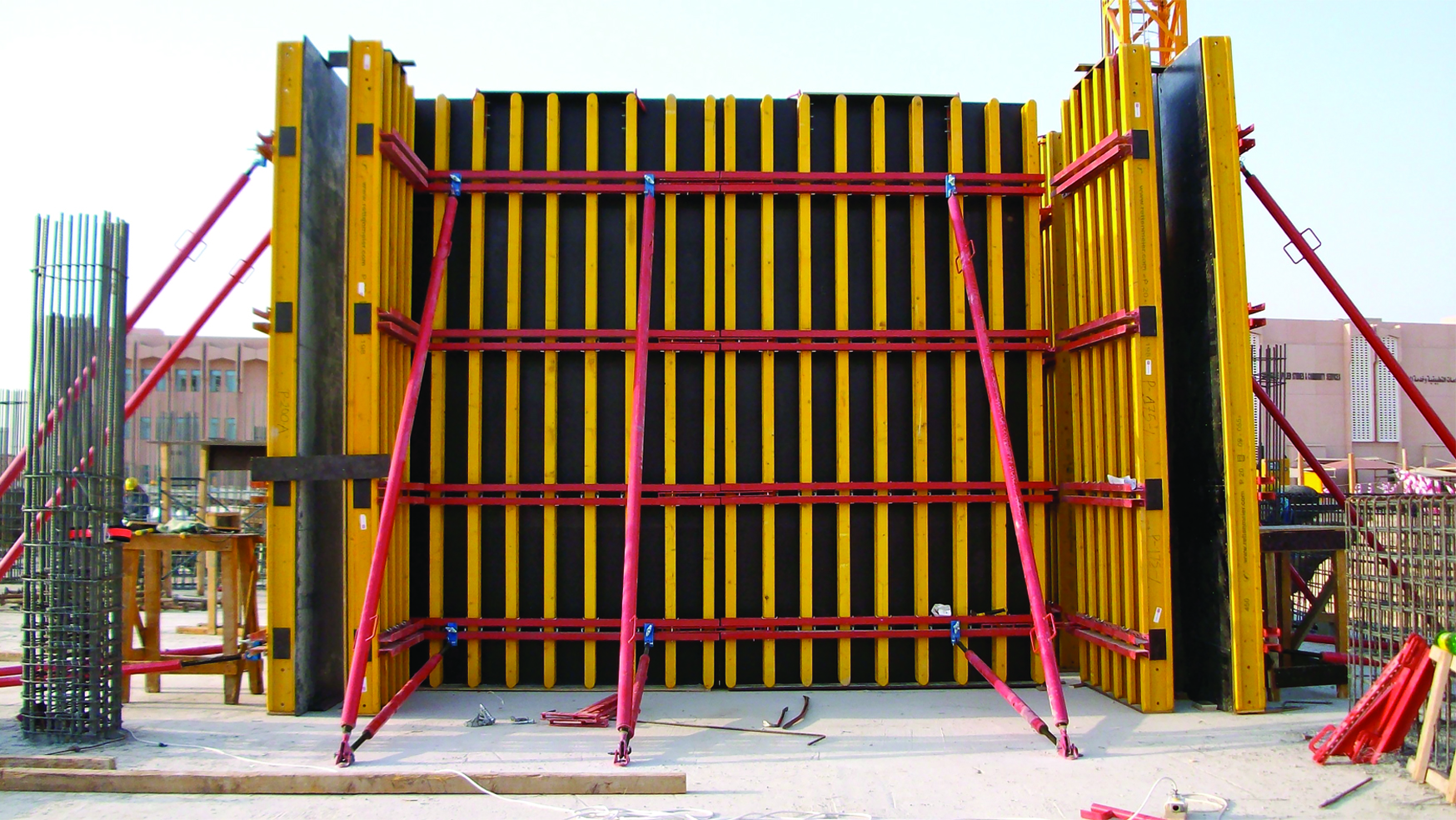
Unlike slab props that are designed to carry vertical loads, the primary function of a plumbing jack is to align (plumb) the formwork and restrain lateral pressures acting on wall, column, and precast panel formwork. The use of this device ensures execution accuracy and prevents any deviation or displacement of the formwork during concreting operations.
The plumbing jack is an essential tool for stabilizing and precisely adjusting wall formwork, columns, and steel frameworks in construction projects. With its robust design and height adjustability, it prevents formwork misalignment during concrete pouring and guarantees the structural accuracy and quality of execution.
Plumbing Jack
What Is a Plumbing Jack?
A plumbing jack is one of the most essential and widely used tools in building and civil engineering projects, playing a key role in the formwork of concrete walls, columns, and steel structures. These jacks ensure the precise adjustment and stabilization of formwork and structural elements in a perfectly vertical (plumb) position, preventing misalignment and tilting during concreting operations, and significantly enhancing the quality and safety of the finished structure.
In practice, the primary function of this jack is the accurate vertical alignment and plumbing of formwork, ensuring that walls, columns, and other concrete elements are constructed straight, true, and dimensionally accurate.
Structure of a Plumbing Jack
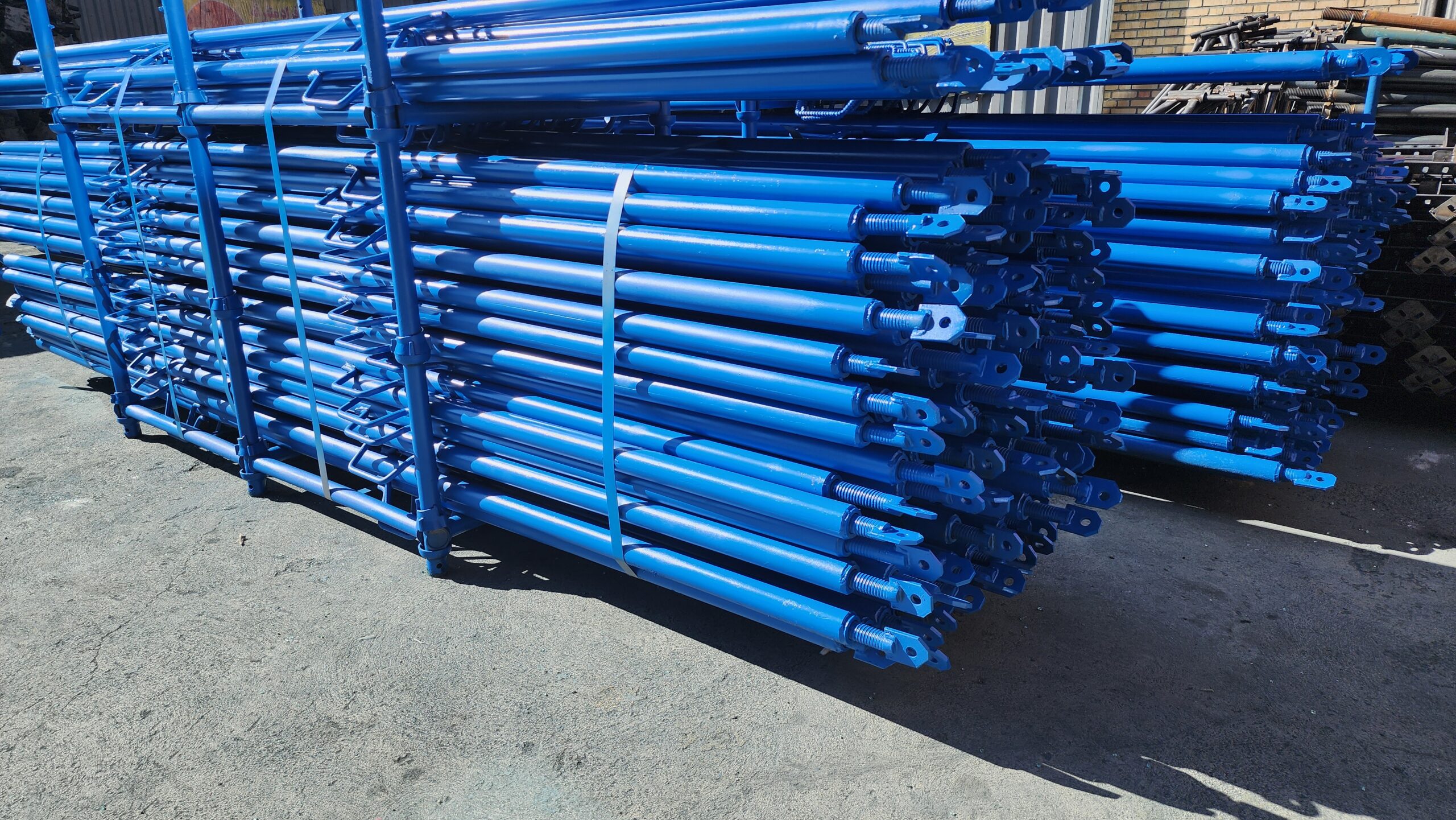
- Inner and Outer Tubes: The plumbing jack consists of two telescopic steel tubes that slide within each other, allowing easy adjustment of the jack’s height or length.
- Adjustment Screw (Threaded Rod): This screw enables fine length adjustment and acts as a mechanism for applying compressive or tensile forces.
- Base or Connection Plates: Installed at both ends of the jack and connected to the formwork or column body using pins, wedges, or welding to ensure stability and structural integrity.
Technical Specifications of the Plumbing Jack
- Jack Type: Mechanical (screw-type) or hydraulic
- Maximum Load Capacity: Typically ranging from 2 to 10 tons (depending on the model)
- Jack Length (Minimum & Maximum): Minimum length: approximately 1 to 2 meters
Maximum length: approximately 3 to 6 meters - Tube Diameter: Between 40 and 60 mm (or larger depending on design)
- Body Material: High-strength steel with anti-corrosion coating or baked enamel paint
- Jack Weight: Varies based on size and load capacity, typically between 8 and 20 kg
- Height Adjustment System: Heavy-duty threaded screw for precise height calibration
- Base Type: Heavy steel base plate or reinforced shoe to prevent slipping
- Application: Used for plumbing and aligning formwork in concrete walls, columns, and structural elements
- Standards: Generally manufactured in accordance with national or international construction and safety standards
- Adjustment Accuracy: Typically capable of millimeter-level precision
- Portability: Designed for easy handling, transportation, and installation on construction sites
Why Is Zaman Plumbing Jack the First Choice of Professionals?
At Zaman, we manufacture plumbing jacks not as simple tools, but as precision-engineered devices. The superior quality of our products lies in the following key details:
- Precise and Smooth Adjustment Mechanism: We utilize an engineered, concrete-protected thread that enables smooth and accurate millimeter-level adjustments, even under load.
- Reinforced Articulated (Hinged) End Plates: Both ends of the jack are equipped with heavy-duty steel articulated base plates capable of rotating at various angles. This ensures a secure and safe connection to the ground and formwork, regardless of surface slope.
- Heavy-Duty Body with CO₂ Welding: The use of thick, seamless steel tubes combined with continuous CO₂ welding delivers exceptional resistance to compressive and tensile forces, preventing buckling or structural failure.
- Secure Pin and Locking System: For initial length adjustment, a precise pin-and-hole mechanism is employed and firmly locked in place, significantly enhancing operational safety.
Technical Specification Table of Zaman Plumbing Jack
| Technical Parameter | Value (Customizable) |
|---|---|
| Minimum Length (Closed) | 1.80 m (Standard) |
| Maximum Length (Extended) | 3.40 m (Standard) |
| Outer Tube Diameter | 60 mm |
| Inner Tube Diameter | 48 mm |
| Articulated Base Plate Dimensions | 15 × 15 cm |
| Thread Type | Engineered thread, 8 mm pitch |
| Surface Finish | Baked enamel paint / Galvanized (on request) |
| Other Sizes | Manufacturable in various dimensions according to project requirements |
Applications of the Plumbing Jack
The plumbing jack operates by applying controlled force to stabilize concrete formwork and maintain it in a precise vertical (plumb) position, ensuring that the formwork remains fixed and undeformed during concrete pouring.
- Aligning and stabilizing wall formwork, columns, and shear walls in a perfectly vertical position
- Providing temporary support for steel and concrete structures until concrete achieves full strength
- Ideal for heavy-duty and high-rise projects where vertical accuracy is critical
Features of the Plumbing Jack
- Precise length and height adjustment via threaded screw mechanism
- High resistance to compressive and tensile forces under various working conditions
- Durable steel structure with reusability across multiple projects
- Advantages of using a plumbing jack
- Improved accuracy and quality in the execution of concrete and steel structures
- Prevention of formwork deformation and displacement during concreting
- Time and cost savings by minimizing post-construction corrections
Key Features of Construction Plumbing Jacks
A plumbing jack is recognized as a precise and highly practical tool for aligning and stabilizing wall formwork, columns, and steel frames in a perfectly vertical position. With its dual-tube telescopic structure, it allows height adjustment to accommodate varying project dimensions.
- Equipped with a threaded screw for accurate length control and application of required push or pull forces
- Secure and reliable connection to formwork or structure using double-sided base plates and pins, wedges, or welding
- High resistance to compressive and tensile loads, suitable for heavy-duty and high-rise projects
- Effective prevention of formwork misalignment during concrete pouring
- Reusable, fast to install, and highly accurate in final structural execution
- The use of plumbing jacks guarantees proper and precise construction of concrete and steel structures
Installation and Working Mechanism of the Plumbing Jack
For precise and safe formwork execution, the use of a plumbing jack is essential. With its simple yet effective mechanism, this tool maintains formwork in an exact vertical position and prevents any deviation during concreting.
1. Installation
The plumbing jack is installed between the concrete formwork and the ground or a fixed structural surface. Typically, one end is connected to the formwork, while the other rests on the ground or a stable base.
2. Height Adjustment
By rotating the jack’s screw, its length is adjusted, ensuring the formwork is positioned at the exact required height and angle.
3. Applying Pressure and Stabilization
Once the screw is tightened, the necessary compressive force is applied to keep the formwork securely in a vertical position, preventing movement or displacement during concreting.
4. Maintaining Plumb Alignment
The jack ensures the formwork remains plumb and vertical, resulting in straight and accurately constructed walls or columns.
5. Readjustment Capability
If height or angle corrections are required during operation, adjustments can easily be made by loosening or rotating the jack’s screw.
Types of Plumbing Jacks and Their Applications
Plumbing jacks are available in various types for concrete formwork and structural applications, each designed for specific use cases. Below are the most common types and their characteristics:
Double-Arm Plumbing Jack
This type features two arms that brace the formwork from both sides, ensuring enhanced lateral stability. It is suitable for wall and column formwork requiring high stability. Both arms are adjustable in height and angle to maintain precise alignment.
Adjustable Telescopic Plumbing Jack
Designed with a multi-section telescopic tube structure, this jack allows for flexible length adjustment. It is especially suitable for confined spaces where precise height control is required. High flexibility and portability are its main advantages.
Formwork Soldier Support Post
This type of steel support post is installed beneath formwork or structures to bear vertical loads and prevent settlement. Formwork Soldier posts are typically used in large-scale and heavy-duty projects to enhance overall formwork stability.
Fixed Bracing Arm
A fixed bracing arm is a single rigid support used to stabilize formwork in one direction and prevent lateral movement. This type is usually installed permanently and does not offer height adjustment. Its primary function is to maintain plumb alignment and prevent displacement.
Factors Affecting the Price of Plumbing Jacks
- Type of Plumbing Jack: Double-arm, telescopic, hydraulic, or mechanical jacks vary in price depending on technology and design.
- Load Capacity: Jacks with higher load-bearing capacities are generally priced higher.
- Material and Build Quality: Jacks made from stainless steel, painted steel, or aluminum have a direct impact on pricing.
- Dimensions and Length: Longer jacks, particularly multi-stage telescopic types, typically cost more.
- Brand and Country of Origin: Well-established and imported brands usually command higher prices than local products.
- Order Quantity and Bulk Purchase: Purchasing in larger quantities often includes discounted pricing.
For more accurate pricing, it is recommended to contact reputable suppliers or request an up-to-date quotation, as prices may fluctuate due to changes in steel market conditions and import regulations.
Plumbing Jack Purchasing Guide
- Identify Project Requirements and Select the Right Jack: Based on project type (light or heavy-duty), formwork height, and formwork system, select an appropriate plumbing jack such as double-arm, telescopic, mechanical, or hydraulic models.
- Review Technical Specifications: Carefully evaluate load capacity, adjustable length, material quality, and safety standards.
- Choose a Reputable Brand: Established brands provide better quality, durability, and after-sales support.
- Request Quotes from Multiple Suppliers: Comparing multiple offers ensures the best balance of price and quality.
- Purchase from Specialized Construction Equipment Suppliers: Suppliers with expertise in formwork equipment are the most reliable choice.
- Verify Warranty and After-Sales Service: Ensure the product includes a valid warranty and technical support.
- On-Site Inspection (If Possible): Inspect the plumbing jack in person before purchase to confirm build quality.
Frequently Asked Questions About Plumbing Jacks
1. What is the main difference between a plumbing jack and a slab prop?
A slab prop is designed to resist vertical loads (floor pressure), whereas a plumbing jack is designed to resist lateral and inclined forces (wall pressure) and to precisely align vertical formwork.
2. Can a plumbing jack be used as a slab prop?
No. This practice is strictly unsafe and non-compliant. Plumbing jacks are designed to resist lateral forces and do not have the same vertical load capacity as slab props.
3. How is the Zaman plumbing jack adjusted?
Length adjustment is performed in two stages: an initial coarse adjustment using the pin-and-hole system on the jack body, followed by fine and precise adjustment through rotation of the central threaded mechanism.
4. What is the load capacity of these jacks?
The load capacity of a plumbing jack depends on its extended length and is defined in terms of compressive and tensile (push-pull) forces. As the jack length increases, its load capacity decreases. For exact capacity values at specific lengths, please refer to the technical datasheet or consult our experts.
5. Is it possible to manufacture plumbing jacks in custom dimensions?
Yes. Zaman has the capability to manufacture plumbing jacks in custom lengths and technical specifications tailored to the specific requirements of your project.
Get expert advice
Our sales experts at Zaman are ready to provide guidance and advice before your purchase.

Reviews
There are no reviews yet.