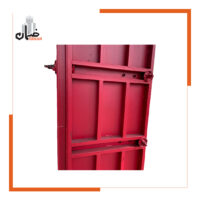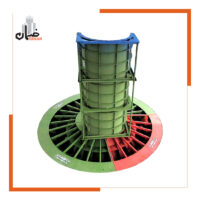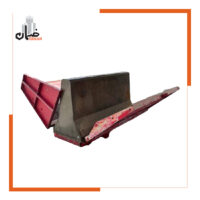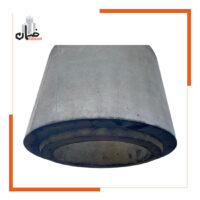




In the construction of concrete structures, there exists a critical yet often overlooked process known as formwork shoring (Kafrajbandi). The term “Kafraj,” which has French origins and literally means “form,” refers to a temporary or permanent structure used to shape plastic concrete during the setting and strength-gaining process.
Concrete is a material that is initially moldable and gradually hardens and gains strength after being mixed with water and other materials. This unique characteristic of concrete makes it possible to create structures in a wide variety of shapes and dimensions. Formwork shoring is, in fact, the precise process of assembling and connecting these forms together to create a confined and stable space for concrete placement.
This process plays a role far beyond a simple execution stage. Formwork shoring is the primary determinant of the final shape, precise dimensions, and surface quality of a concrete structure. Inaccuracy at this stage can lead to concrete deformation, cracking, and a reduction in the overall structural strength, ultimately jeopardizing the safety and service life of the building. Therefore, formwork shoring is not merely a technical task but a strategic decision that directly affects all subsequent stages of a construction project, including economics, execution speed, and final quality. The formwork process is carried out by skilled and experienced professionals and requires a high level of technical knowledge, expertise, and precision.
Clarifying the Term “Kafraj” _ A Specialized Semantic Analysis
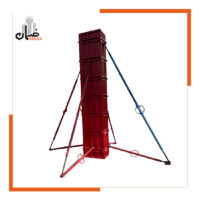
In the technical and workshop terminology of Iran’s construction industry, the word “Kafraj” is often used with two different but related meanings, and understanding this distinction is essential for professionals. In its primary and technical meaning, Kafraj refers to the concrete form itself, into which fresh concrete is poured to take shape. These forms may be made of materials such as wood, metal, plastic, or fiberglass. In this context, formwork shoring refers to the set of operations involved in erecting and stabilizing these forms.
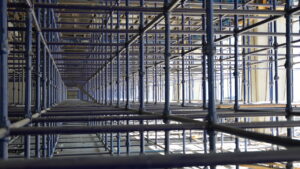
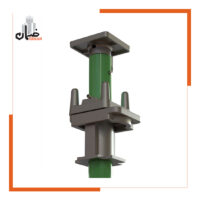
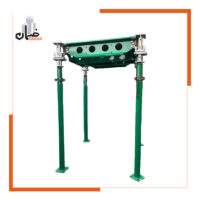
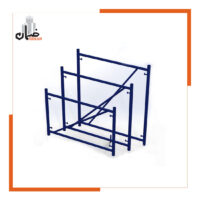
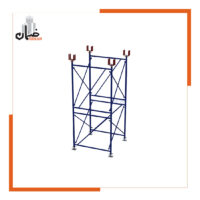
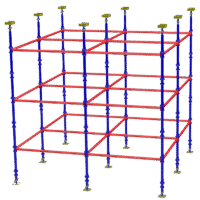
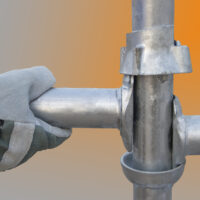
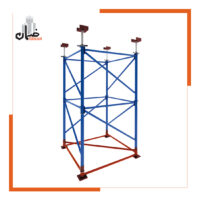
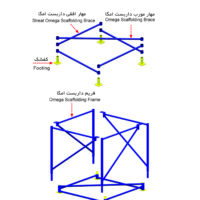
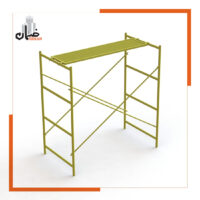
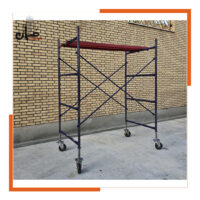
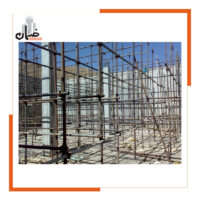
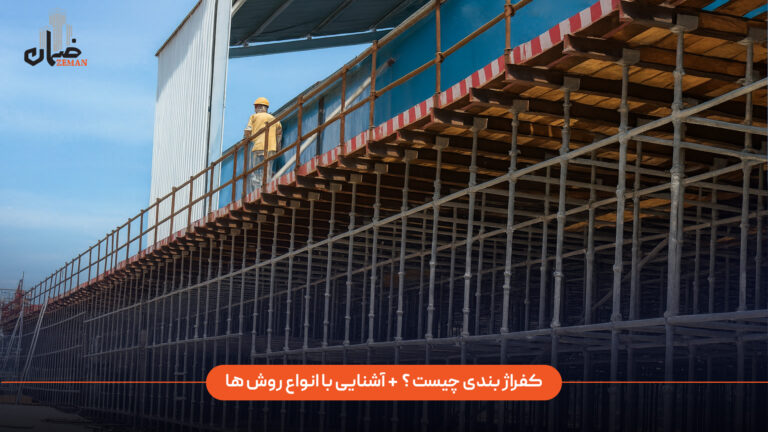
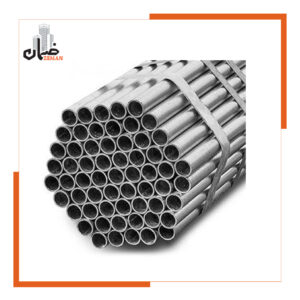
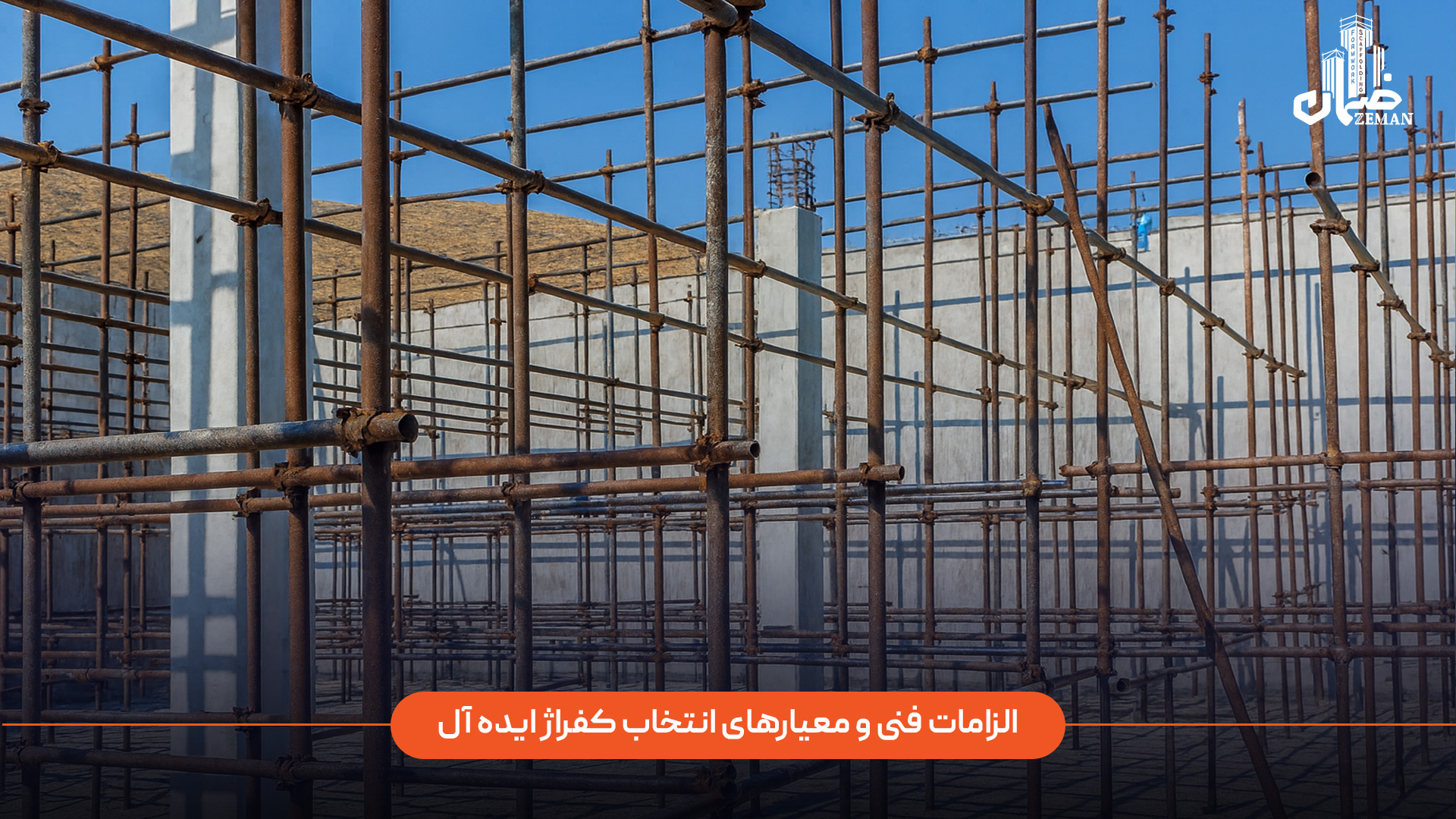
In its second meaning, however, the term Kafraj refers to heavy-duty scaffolding systems or support structures whose main function is to hold and stabilize the primary forms. These supporting structures, typically composed of metal scaffolding pipes with more than four legs, are used in situations where forms are subjected to extremely high loads (such as bridge construction or concreting of high-rise slabs). These structures not only enhance site safety but also prevent deflection and deformation of the forms under the weight of fresh concrete.
Therefore, the semantic ambiguity of the word “Kafraj” is not a simple linguistic error; rather, it originates from the overlap between formwork and scaffolding functions in heavy construction projects. A professional engineer or contractor, by understanding this dual meaning, must prevent any misunderstanding on site and use precise terminology for each of these two concepts. This distinction reflects a deep understanding of execution processes and significantly contributes to improved technical communication and project safety.
Technical Requirements and Criteria for Selecting the Ideal Formwork Shoring System
Selecting the type and system of formwork shoring in a construction project is a multi-dimensional decision that cannot be based solely on initial cost. An ideal formwork system must possess a set of technical, operational, economic, and safety characteristics in order to best achieve project objectives.
Critical Characteristics of a Good Formwork System
Mechanical and Performance Characteristics:
- Strength and stability:
A good formwork system must have sufficient strength to withstand the hydrostatic pressure of fresh concrete as well as imposed live and dead loads. This resistance must be maintained without any deformation, warping, or failure throughout the concreting and setting process. - Impermeability:
One of the most important characteristics of formwork is complete prevention of cement slurry leakage (water and cement). Leakage causes voids and porous areas on the hardened concrete surface, commonly referred to as “honeycombing.” This phenomenon not only reduces the visual quality of concrete but also significantly diminishes its strength and durability. - Resistance to moisture and volumetric changes:
Formwork must be resistant to moisture, water, and dimensional changes. For example, wooden forms must have low moisture absorption capacity in order to prevent absorbing cement slurry or deforming.
Operational and Economic Characteristics:
- Ease of installation and dismantling:
Formwork systems should be designed and manufactured so that erection and removal can be carried out easily and quickly. This leads to significant savings in time and labor costs. - Reusability:
For large and high-cost projects, the use of forms that can be reused multiple times is considered a major economic advantage. This feature contributes to reducing long-term project costs and improving return on investment.
Safety Characteristics:
- Appropriate weight:
Forms should be designed with weights that allow for easy handling and installation. This becomes especially important in high-rise and multi-story projects. - Smooth surface:
The internal surface of the form must be completely smooth and polished so that the final concrete surface remains defect-free and ready for subsequent finishing stages.
Key Factors in Designing and Selecting the Type of Formwork Shoring
Selecting the type of formwork is a complex engineering process that must be based on a comprehensive analysis of various factors. This analysis transforms a decision based purely on initial cost into a strategic choice for project success.
- Project scale and complexity:
The type of formwork must be proportional to the project’s scale and complexity. In small projects with simple designs and limited concreting, the use of wooden forms is logical and cost-effective due to low initial cost and high flexibility. Conversely, for large-scale, high-rise, or repetitive structures, the use of metal forms or modern systems such as slip forms is essential. These systems meet project demands due to their durability and high execution speed. - Budget and long-term economic considerations:
Although the initial cost of purchasing or renting metal forms is significantly higher than wooden forms, their long service life and reusability justify the expense across multiple projects. A precise economic analysis shows that initial investment in durable formwork leads to reduced execution, material procurement, and labor costs in the long run. Conversely, for single-use projects with very limited budgets, inexpensive wooden or plastic forms are a more suitable option. - Desired final surface quality:
Formwork selection is highly influenced by the expected quality of the final concrete surface. For executing exposed concrete, which requires a perfectly smooth and polished surface, the use of high-quality metal or polymer forms is essential. In contrast, if the concrete surface is to be covered with another material, surface quality sensitivity decreases, and wooden forms may be used.
This analysis demonstrates that decision-making in formwork shoring is a combination of engineering knowledge, execution experience, and economic considerations. An incorrect choice may result in increased costs, project delays, and reduced final structural quality.
Comprehensive Overview of Formwork Shoring Types Based on Material
Forms can be classified into different types based on the material from which they are made, each having its own advantages, disadvantages, and applications.
Wooden Formwork: A Traditional Yet Practical Method
Wooden forms are the most traditional and oldest formwork shoring method and are still widely used in many projects, especially small-scale ones. These forms are typically made from plywood boards, particleboard, and Russian timber.
Advantages:
- High flexibility: Wood is easy to work with, and its dimensions and shape can be easily modified using simple tools such as nails and screws.
- Low initial cost: The cost of wooden forms is lower than metal forms, making them economical for small and low-budget projects.
- Lightweight: Wooden forms are light and easy to transport and install, increasing execution speed in small projects.
- Low thermal conductivity: Wood is a good thermal insulator and protects concrete against extreme temperature changes.
Disadvantages:
- Low resistance to moisture: Wood has poor resistance to moisture and may warp or deform after absorbing water from concrete.
- Limited reusability: Wooden forms generally cannot be reused more than 10 times and are not economical for large projects.
- Time-consuming: Due to on-site assembly and the need for high precision during concreting to prevent edge damage, execution is time-consuming in large projects.
- Applications:
Wooden formwork is commonly used in strip foundations, beams, square or rectangular columns, and traditional slabs in residential and small-scale projects.
Metal Formwork: The Modern Standard for Large Projects
Due to their high strength and durability, metal forms have become the primary formwork shoring standard in large and modern construction projects. These forms are typically made of steel sheets (such as ST37 steel) or, in some cases, aluminum.
Structural types:
- Pressed (bent-edge) and strip-welded types:
Metal forms are divided into bent-edge and strip-welded types based on manufacturing method. Bent-edge forms are lighter and more expensive, while strip-welded forms are heavier and more affordable. - 5 cm and 6 cm edge profiles:
Most forms used in Iran have 5 cm edge profiles due to lower weight and more reasonable cost. Six-centimeter edge forms offer greater strength and are used in special cases.
Advantages:
- Very high strength and durability: Metal forms can withstand extremely heavy loads and are resistant to impact and pressure.
- Long service life and reusability: These forms can be reused many times across different projects, providing long-term economic benefits.
- Very smooth final surface: Metal forms create a smooth, polished concrete surface, improving overall quality and reducing the need for finishing works.
- Fast installation and dismantling: Assembly and disassembly are easily performed using pins and wedges or clamps.
Disadvantages:
- High initial cost: Purchase cost of metal forms is significantly higher than wooden forms.
- Heavy weight: Their weight makes transportation difficult and may require crane usage in some cases.
- Limited flexibility: Metal forms are not suitable for creating irregular or special shapes unless custom-made forms are used.
- Applications:
Metal forms are used for all structural elements including foundations, walls, columns, and slabs in large projects. The use of aluminum forms in direct contact with concrete is not recommended, as aluminum may chemically react with cement and reduce concrete quality.
Polymeric and Plastic Forms _ Lightweight and Modern Solutions
Plastic or polymer formwork, made from durable materials such as polypropylene (PP) and ABS, has emerged as a suitable alternative to traditional forms. Due to their multiple advantages, these systems are gaining increasing popularity in the construction industry.
Advantages:
- Very lightweight: Their low weight allows for easy handling and installation, particularly on upper floors where crane use is difficult.
- High resistance to corrosion and rust:
Polymeric materials are resistant to moisture, corrosion, and rust, making them highly suitable for humid and southern regions. - Thermal insulation properties: These forms prevent heat and cold penetration into concrete and reduce the risks of freezing or excessive evaporation.
- Fast installation and dismantling: Plastic forms are quickly assembled and disassembled and do not require oiling, as concrete does not adhere to them.
Disadvantages:
- Lower impact resistance: Plastic forms are more vulnerable to severe impacts compared to metal forms.
- Less flexibility: Many plastic form components are prefabricated and offer less flexibility than wooden forms.
- Applications:
Plastic forms are used in small- to medium-sized building projects, shear walls, concrete slab ceilings, and structures with complex shapes such as pools and staircases. Recyclable plastic forms are also introduced as a sustainable solution for reducing construction waste.
Fiberglass Forms and Other Specialized Materials
- Fiberglass forms:
These are essentially metal forms coated with fiberglass or similar polymer materials. They are used in specific cases for slab and large-area foundation formwork. Their main advantages include light weight, impermeability, and high execution speed, contributing to slab weight reduction and improved structural safety. - Fabric forms:
These innovative systems are made of lightweight yet strong fabrics. Their unique feature is the ability to take virtually any desired shape, enabling the construction of structures with distinctive and curved architectural forms. - Permanent formwork:
These forms are not removed after concreting and setting, remaining as a permanent part of the structure. They may function as structural reinforcement or as thermal insulation and protection for concrete against environmental factors.
| Formwork Type | Key Advantages | Key Disadvantages | Typical Applications | Relative (Initial) Cost | Reusability |
| Wooden | High flexibility, low cost, lightweight, low thermal conductivity | Low resistance to moisture, short service life, time‑consuming in large projects | Small projects, foundations, beams, columns | Low | Limited (up to 10 uses) |
| Metal | Very high strength and durability, long service life, smooth and polished finish, fast installation | High initial cost, heavy weight, limited flexibility | Large-scale and high-rise projects, walls, columns, slabs, bridges, and tunnels | High | High |
| Plastic / Polymeric | Very lightweight, corrosion-resistant, thermal insulation, fast installation | Lower impact resistance, less flexibility than wood | Small to medium-sized structures, slabs, walls, columns, complex structures | Medium | High (recyclable) |
| Fiberglass | Structural lightweighting, high impermeability, fast execution | Higher cost compared to other formwork types | Large-area slabs and foundations, decorative structures | High | High |
Classification of Formwork Systems Based on Performance
In addition to material type, formwork can also be classified based on their operational method and execution mechanism. These systems represent innovative solutions designed to increase speed, safety, and quality in large-scale and complex construction projects.
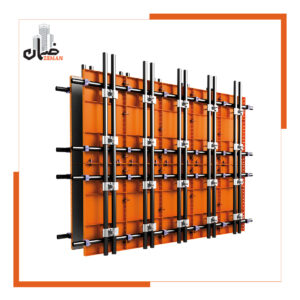
Modular Formwork: Standardized Flexibility
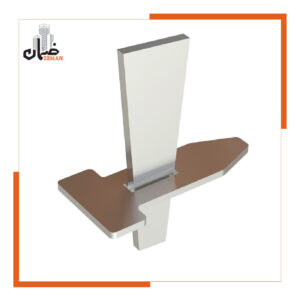
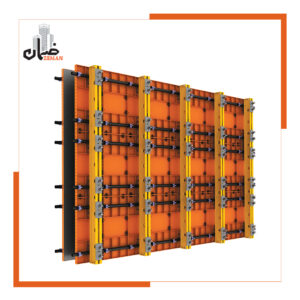
Modular formwork, which is most commonly made of metal, refers to systems composed of prefabricated components with standardized dimensions (multiples of 5 centimeters). These components are designed in such a way that they can be connected to each other using various connectors such as pins and wedges, allowing adjustment into different sizes and shapes.
Advantages:
- High adaptability:
Due to the wide variety of dimensions and available connectors, these formworks can be used for forming structural elements of various sizes. - Repeatability and economic efficiency:
Metal modular formwork systems have a long service life and high reusability, making them a highly cost-effective option for large-scale projects. - Integrated execution:
This system creates a unified and coherent structure during the formwork process and facilitates ease of execution across all sections. - Applications:
Modular formworks are used in all concrete structures, including foundations, shear walls, one-sided and two-sided walls, slabs, beams, and columns.
Sliding Formwork: A Symbol of Speed at Height
Sliding formwork systems are advanced construction methods used for building concrete structures in projects that require extremely high execution speed. This system consists of formwork that continuously moves upward using hydraulic, electric, or pneumatic jacks. During this process, concrete pouring and reinforcement installation are carried out simultaneously, and once the concrete hardens beneath the form, the structure takes shape.
Types:
- Vertical:
Used for constructing tall structures such as large silos, communication towers, and material storage facilities. - Horizontal:
Used for concreting elongated structures such as tunnels, drainage channels, and water pipelines.
Advantages:
- Extremely high speed:
Continuous movement of the formwork dramatically accelerates project execution. - Reduced labor force and elimination of construction joints:
Due to the mechanized process and continuous concrete placement, labor requirements are reduced, and as there are no interruptions in concreting, construction joints are eliminated, which contributes to increased structural strength. - Improved safety:
This system provides a safe working platform for workers and reduces the risks associated with working at height.
Climbing Formwork Systems: A Solution for Tall Structures
Climbing formwork systems are modern methods for forming tall and high-rise concrete walls. These systems are transferred automatically and in a staged process from lower levels to higher floors using rails and hydraulic jacks.
Advantages:
- No need for cranes:
These systems operate in a self-climbing manner, eliminating the constant need for cranes to relocate formwork, which increases execution speed and reduces operational costs. - High safety:
Climbing systems are equipped with working platforms and wind protection, providing a safer environment for workers and minimizing risks associated with falls from height or strong winds. - Concrete quality:
By reducing vibration and movement of the formwork, this system helps minimize surface irregularities and air voids in the concrete. - Applications:
These systems are widely used in the construction of skyscrapers, towers, and tall industrial structures such as power plant chimneys.
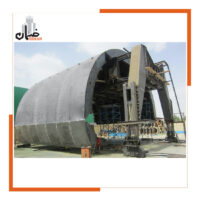
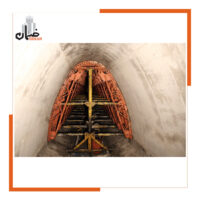
Tunnel Formwork System (Tunnel Form): Industrialization on a Mass Scale
The tunnel formwork system is an industrial and modern method for the rapid construction of concrete structures in mass housing projects and high-rise buildings. In this method, metal wall and slab formworks of one floor are assembled, reinforced, and concreted simultaneously.
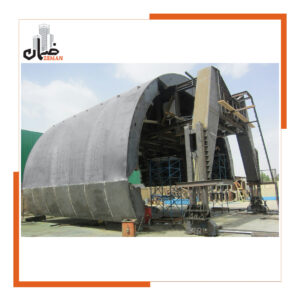
لب تونل
Advantages:
- Very high speed: This system enables the construction of one full floor within an extremely short time cycle (one day).
- Excellent structural strength: Due to the monolithic concreting of walls and slabs, the structure gains very high resistance against lateral forces such as earthquakes and wind, as well as enhanced fire resistance.
- Reduction in finishing costs: Owing to the creation of smooth and polished surfaces, this method significantly reduces the need for finishing and plastering operations.
Disadvantages:
- High initial investment: Procuring the formwork requires substantial upfront capital investment.
- Requirement for open space: A large open area around the site is required for assembling and relocating the formwork.
- Lack of design flexibility: Changes in layout and internal wall positioning during execution are not possible.
Stages of Formwork Shoring Execution _ Step by Step Toward Flawless Concrete
The formwork shoring process is a precise engineering operation that includes multiple stages, from design to form stripping. Strict adherence to these stages ensures the quality and safety of the structure.
Planning and Design
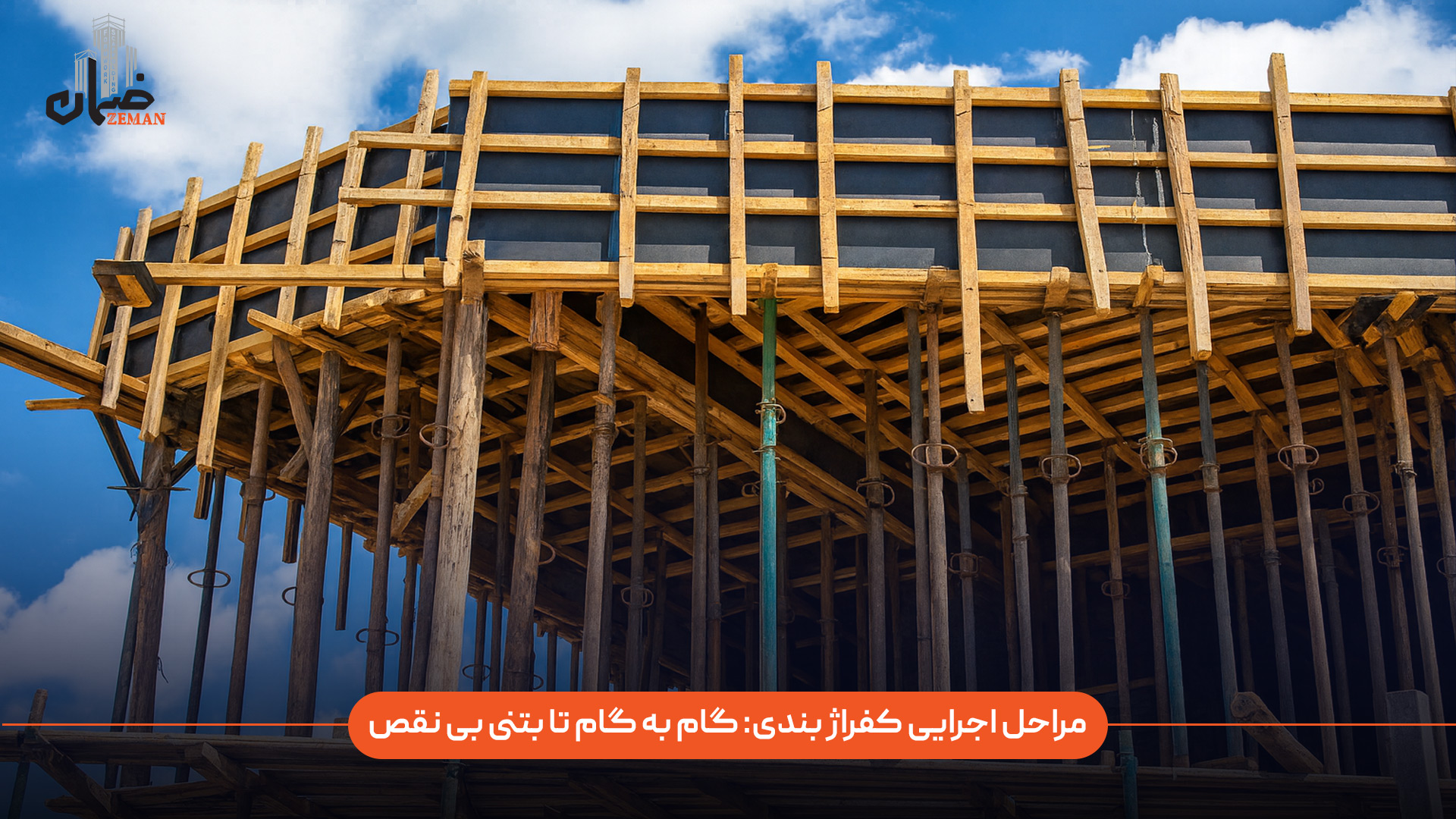
The first and most critical step is precise planning. At this stage, engineers determine the required shape and dimensions of the formwork based on architectural and structural drawings. In addition, considering the weight of fresh concrete and the resulting hydrostatic pressure, the loads applied to the formwork are calculated in order to select an appropriate support system (such as jacks, scaffolding, or soldiers). This process ensures that the formwork system is capable of withstanding the applied pressures without deformation.
For further information about jacks, please refer to this page:
Ceiling and Support Jacks
To learn about scaffolding prices, please visit this page:
Scaffolding Price and Purchase
Installation and Assembly of Formwork
After design, the installation and assembly stage begins:
- Site preparation: The concreting area must be clean and free from soil and debris. In foundation formwork, a lean concrete layer (blinding concrete) approximately 10 cm thicker than the foundation depth is usually poured to prevent direct contact between the formwork and soil.
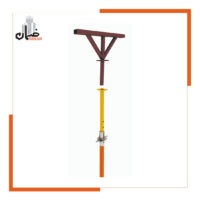
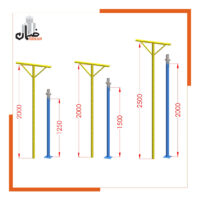
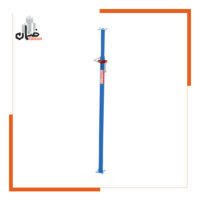
- Installation of supporting components: At this stage, ceiling jacks, modular scaffolding, and soldiers are installed to bear the applied loads. The spacing of props under beams is typically 80 to 100 cm, and under flat slabs 100 to 120 cm. For slabs with heights exceeding 3.5 meters, the use of scaffolding systems is mandatory.
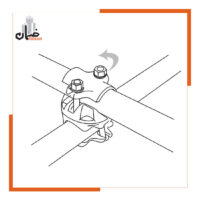
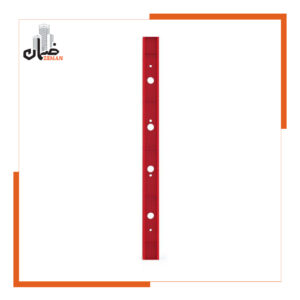
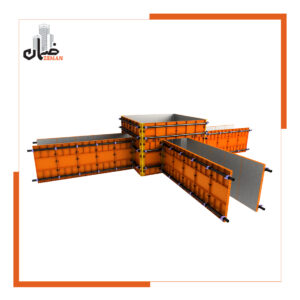
- Panel assembly: The formwork panels are connected to each other using their specific connectors such as pins and wedges, clamps, and bolts, creating a fully enclosed space. The stability and strength of these connections during concreting are of critical importance.
- Oiling: The inner surface of the formwork must be coated with formwork oil or release agents prior to concreting. This prevents concrete adhesion to the formwork and facilitates form stripping. The use of burnt oil or diesel fuel for this purpose is strictly prohibited.
Concrete Pouring and Compaction
After complete installation and stabilization of the formwork, concreting begins. Concrete must be poured uniformly and in layers, especially in columns and tall walls, to prevent air voids and internal cracks. After pouring, the concrete must be compacted using appropriate vibrators to expel all entrapped air. Proper concrete compaction significantly increases the strength and durability of the structure.
Form Stripping (Decentering): The Most Critical Stage
Form stripping is the process of opening and removing the formwork after the concrete has hardened. This stage is extremely sensitive and must be carried out carefully and in accordance with technical regulations. The stripping time depends on various factors such as cement type, ambient temperature, and the shape and position of the structural member.
According to engineering standards, formwork should not be removed before the concrete has achieved sufficient strength. As a general rule, side forms can be removed after 24 to 72 hours; however, safety props and shores must remain in place until the concrete reaches at least 70% of its 28-day strength or until the concreting of two upper slabs is completed.
Premature form stripping can cause serious and irreversible damage to the structure. Observance of the correct stripping sequence is also crucial. For example, in cantilevers, stripping should be carried out gradually from the free edge toward the support, and in spans between two supports, from the middle toward the supports.
- Structural member: Recommended stripping time (under standard conditions)
- Columns: 24 to 48 hours
- Walls: 24 to 72 hours
- Foundations: 7 to 10 days
- Slabs: 7 to 14 days (props must remain up to 28 days)
Safety, Technical, and Economic Considerations in Formwork Shoring
The success of a construction project is not limited to proper execution of technical steps; it also requires strict adherence to safety considerations, efficient management, and compliance with standards.
Site Safety: Prevention of Accidents
Formwork shoring operations are considered among the most hazardous activities on construction sites, and adherence to safety principles is of vital importance.
Common hazards:
- Falls of personnel and objects: Workers operate at height during installation and dismantling of formwork, posing risks of falls of both personnel and tools or materials.
- Electric shock: Use of electrical tools and equipment near metal formwork and water can lead to electric shock.
- Structural collapse: Improper design or use of unsuitable connections may lead to formwork collapse during concreting, potentially resulting in catastrophic consequences.
Safety measures:
- Continuous technical inspection: Thorough inspection of formwork and its connections before, during, and after concreting is essential to ensure integrity and stability.
- Use of sound equipment: All connectors, jacks, and clamps must be free from cracks, corrosion, or damage.
- Personnel training: Training workers on hazards and safety principles related to formwork operations helps reduce accidents.
This approach demonstrates that safety is not only a moral and legal requirement, but also directly contributes to preventing financial losses, project delays, and increased costs.
Maintenance and Optimal Management of Formwork
Proper management of formwork can extend its service life and lead to long-term cost savings.
- Before installation: Formwork must be cleaned and oiled prior to each use.
- After dismantling: Immediately after form stripping, residual concrete must be removed to preserve smooth and polished surfaces.
- Storage: Formwork should be stored in suitable conditions to protect it from corrosion, rust, and damage.
National Standards and Execution Regulations
To ensure quality and safety in concrete projects, strict compliance with national standards and execution regulations is mandatory. These regulations include formwork dimensions and tolerances, technical specifications of materials, and standard form stripping times. The supervising engineer plays a key role in overseeing correct execution of all these stages and must approve the checklist for form stripping timing and sequence.
Conclusion: Smart Selection, the Guarantee of Project Success
Ultimately, formwork shoring is a complex, technical, and vital process in the construction industry. As the silent infrastructure of concrete structures, it affects all aspects of a project. Selecting an optimal formwork system requires a deep understanding of the project’s nature and a balance among multiple factors.
Summary of Key Points:
- Wooden formwork, with its lightweight nature and low cost, is the best option for small and simple projects.
- Metal formwork, due to its high durability and strength, is considered the modern standard for large-scale and high-rise projects.
- Polymeric formwork, with lightweight properties and resistance to moisture, is an appropriate and innovative alternative for medium-sized projects and humid regions.
- Advanced systems such as sliding and tunnel formwork address the demands for speed and quality in mass construction projects and specialized structures.
Final selection guide: Choosing a formwork shoring system involves optimizing multiple variables. A successful engineer or contractor is one who not only considers initial cost, but also, with a comprehensive understanding of technical requirements, speed, quality, and project safety, selects the optimal combination of materials and systems. This smart selection guarantees success in all subsequent stages of construction.
Zeman website, by offering a wide range of formwork shoring systems and equipment as well as professional consultation services, helps you choose the best and most suitable solution for your project and stands beside you as a reliable reference in the construction industry.