




Formwork Plywood Sheet
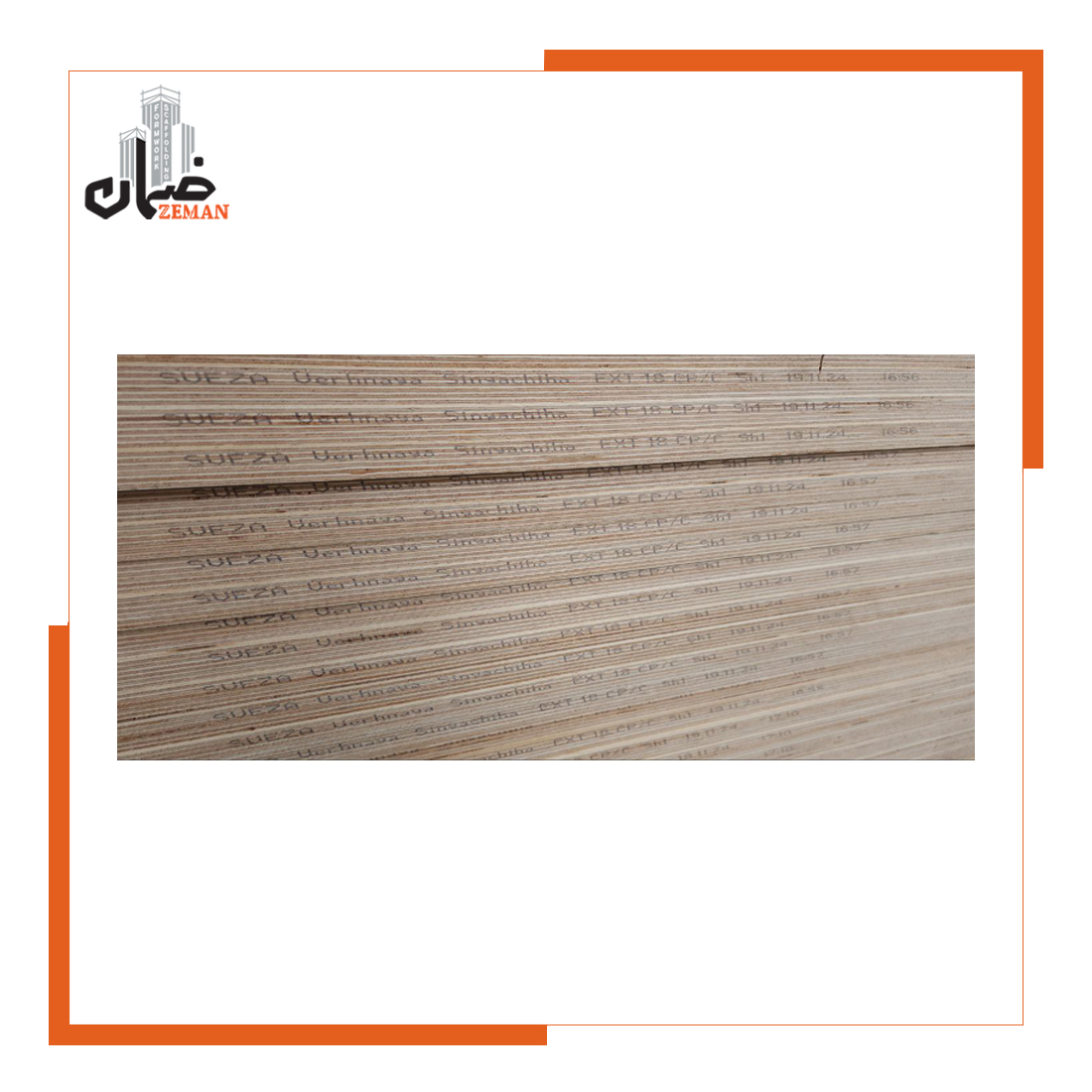
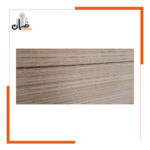
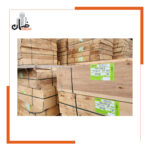
Formwork Plywood Sheet is an engineered wood panel specifically designed for use as the facing surface in modern concrete formwork systems. Also known as waterproof plywood, this product is manufactured from thin layers of wood veneers that are arranged in cross‑oriented directions and bonded together under high pressure and temperature using 100% waterproof adhesive (WBP). The smooth and refined surface of formwork plywood is the key to achieving high‑quality exposed concrete finishes while significantly reducing finishing and plastering costs in construction projects.
Plywood is a wood‑based engineered product that is widely used in concrete formwork applications. Plywood formwork systems are lightweight, durable, and environmentally friendly, providing a high‑quality cast concrete surface in structural works.
This formwork panel is produced by laminating multiple thin wooden layers, commonly referred to as plies, which are firmly bonded using specialized high‑strength adhesives. In addition, the surface of plywood formwork panels is coated with a protective film or layer, and the quality of the finished concrete surface largely depends on the type and performance of this facing material.
Today, the use of formwork plywood sheets—especially in facing panels—has increased significantly. This is because plywood formwork panels deliver a much smoother concrete surface compared to conventional solid timber formwork. As a result, utilizing plywood formwork can substantially reduce overall finishing costs and improve both efficiency and surface quality in concrete construction projects.
Formwork Plywood Sheet
Formwork Plywood Sheet (Waterproof Plywood)
Formwork plywood (Plywood for Formwork), also known as concrete shuttering plywood, is an engineered wood panel used as the concrete contact surface in formwork systems. In recent years, due to its lightweight nature, smooth surface, and high reusability, this material has become an effective alternative to traditional timber formwork boards.
- Advantages of plywood in concrete formwork: smooth and uniform concrete surface without bleeding or waviness; lower weight compared to steel formwork; easy cutting and installation; moisture resistance (in film-faced types); cost-effective for medium to large-scale projects; reduced consumption of form release agents.
- Disadvantages (in case of low quality): potential warping under high moisture exposure; vulnerability of edges to damage; reduced service life if the surface film is punctured or the panel is misused.
Applications and Key Advantages of Formwork Plywood
Applications:
- Formwork for various types of walls, columns, slabs (concrete decks), and foundations.
- Creating smooth and continuous surfaces in exposed concrete architectural structures.
- Use in modular and flying formwork systems.
Benefits:
- Flawless finished surface: produces an exceptionally smooth concrete finish, minimizing the need for plastering or surface treatments.
- High durability and reusability: significantly reduces overall formwork costs throughout the project lifecycle.
- Lightweight with high strength: easier handling and installation compared to steel formwork panels.
- Excellent resistance to water, moisture, and concrete slurry.
- Precise and standardized dimensions: improves speed and accuracy during formwork assembly and dismantling.
Applications of Plywood Formwork Panels
Plywood formwork panels are used across a wide range of construction formwork systems. They are cost-effective and easy to fabricate and install. Plywood panels are manufactured using either interior or exterior-grade adhesives; however, for concrete formwork applications, exterior-grade (waterproof) adhesive is strongly recommended.
The main application areas of plywood formwork panels are outlined below:
1 – Walls, Columns, and Foundations
Plywood formwork panels are used in various configurations for casting building foundations, concrete walls, and columns. These panels are available in different sizes and can be supplied according to project-specific requirements.
Plywood is an ideal material for forming concrete structures, as it is strong and durable while remaining lightweight and easy to work with. Plywood formwork panels can be cut to the desired dimensions and assembled directly on site.
2 – Slabs (Structural Elements, Architectural and Exposed Concrete Surfaces)
Plywood formwork panels are widely used in applications such as slab construction, in-progress beams, and similar structural elements. Their flexibility combined with high strength makes them suitable for complex shapes and architectural designs.
3 – Infrastructure Applications (Bridges and Civil Engineering Projects)
Plywood formwork is frequently used in infrastructure projects such as tunnels, bridges, and other civil structures. The construction process plays a significant role in selecting the appropriate plywood type. When continuous concreting and staged pouring sequences are required, the plywood panels must offer exceptional durability.
In such cases, customized plywood formwork solutions are recommended, including crane-lift climbing formwork systems, tunnel formwork configurations, and project-specific steel-assisted formwork systems.
Plywood formwork panels are capable of forming curved or angled structures, making them a preferred choice for bridge construction and other complex structural systems. They are also sufficiently durable to withstand harsh outdoor construction site conditions.
Why Is Zeman Formwork Plywood a Benchmark for Quality?
Not all plywood sheets offer the same level of quality. At Zeman, we focus on three core factors to deliver a product that performs reliably and efficiently on your construction site:
1. Use of premium imported plywood (Russian origin):
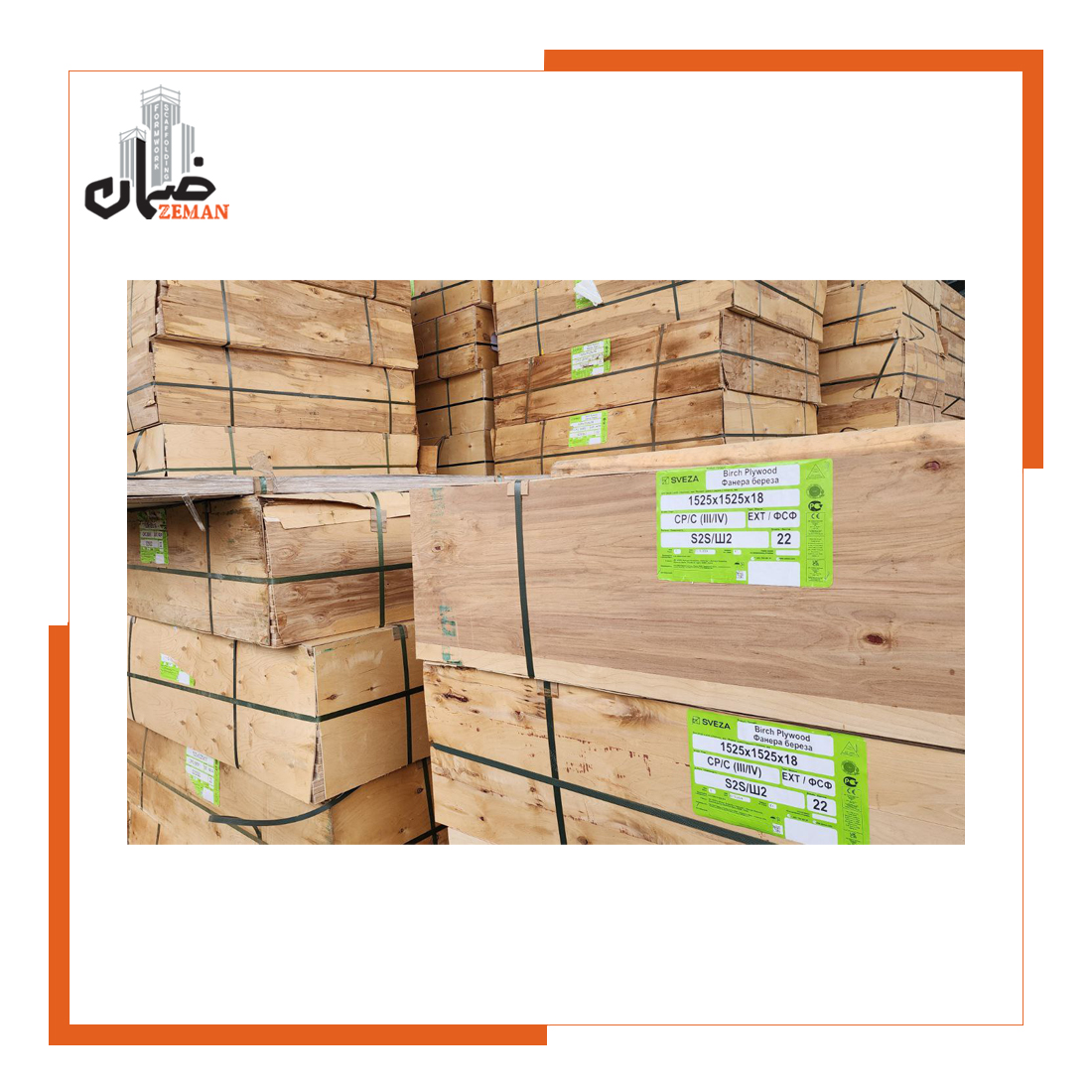
At Zeman, we primarily supply high-grade Russian birch plywood. Due to its high density, uniform structure, and excellent compressive strength, birch plywood offers superior durability and performance compared to plywood manufactured from poplar or other lower-density wood species.
2. 100% Waterproof Adhesive (WBP):
All layers of our formwork plywood are bonded using WBP (Water Boil Proof) adhesive. This ensures complete resistance against swelling and layer separation (delamination), even after repeated use and prolonged exposure to water and concrete slurry.
3. Durable phenolic film surface and sealed edges:
The surface of our plywood panels is coated with a high-quality phenolic film (typically 120 g/m²), which prevents water penetration and allows for easy concrete release. In addition, all panel edges are carefully sealed with waterproof paint to protect the wood core, the most vulnerable part of the panel, from moisture ingress.
Technical Specifications Table
| Technical Specification | Value / Description |
|---|---|
| Standard Dimensions | 122 × 244 cm |
| Thickness | 18 mm (other thicknesses available upon request) |
| Wood Species | Birch – Russian origin |
| Adhesive Type | Waterproof (WBP – Water Boil Proof) |
| Surface Coating | Dark Brown Phenolic Film (Film-Faced) |
| Number of Plies | 13 plies |
| Edge Sealing | Fully sealed with waterproof paint |
Price Inquiry and Guidelines to Extend Plywood Service Life
The price of formwork plywood depends on factors such as thickness, country of origin (Russian, Chinese, Iranian, etc.), and order quantity. To increase the number of reuse cycles (up to 20 times or more) and maintain plywood performance, observe the following guidelines:
- Clean all concrete residues from the surface after each use.
- Apply a standard form release oil prior to every concreting operation.
- Store panels horizontally in a dry area away from direct sunlight.
- Re-seal any on-site cut edges with waterproof paint.
For the best price on formwork plywood, please contact Zeman’s sales experts.
Frequently Asked Questions About Formwork Plywood
1. What is the main difference between ordinary plywood and formwork plywood?
There are two primary differences: first, the adhesive used in formwork plywood is always waterproof (WBP). Second, the surface is covered with a smooth and durable film coating that improves concrete finish quality while protecting the plywood itself.
2. Why is Russian plywood preferred for formwork applications?
Russian plywood is typically manufactured from birch wood, which offers higher density, strength, and durability compared to poplar wood used in lower-grade plywood products. This results in a longer service life and a greater number of reuse cycles.
3. What applications is 18 mm plywood suitable for?
An 18 mm thickness is an industry standard for wall, column, and slab formwork, providing the optimal balance between strength, weight, and cost.
4. How can I maximize the service life of my formwork plywood?
By cleaning the panels after each use, storing them properly in a dry environment, applying suitable form release oil, and re-sealing cut edges with waterproof paint.
5. Does Zeman supply other types of plywood as well?
Our primary focus is on supplying premium-grade Russian film-faced plywood, as it delivers the best performance and value for professional construction projects. However, for information on the availability of other types, please contact our sales department.
Get expert advice
Our sales experts at Zaman are ready to provide guidance and advice before your purchase.

Reviews
There are no reviews yet.