



Over time, and due to changes in the functional use of structures, design errors, increased imposed loads, or aggressive environmental factors, the need for concrete strengthening and structural retrofitting becomes inevitable. Today, civil engineers are faced with major challenges in maintaining and enhancing the safety of buildings. Selecting an appropriate method for strengthening concrete structures not only extends their service life, but also prevents the substantial costs associated with demolition and reconstruction.
In this comprehensive article from the Zeman website, we aim to introduce you to the most up-to-date and effective structural strengthening techniques. Whether you are a contractor or a supervising engineer, having a precise understanding of these methods is critical for making sound and informed decisions.
Why Is Strengthening Concrete Structures Necessary?
Before addressing technical methods, it is essential to understand the factors that drive us toward structural strengthening. Many concrete buildings develop deficiencies after only a few years, which—if left unaddressed—can lead to catastrophic consequences.
1. Reinforcement Corrosion and Concrete Deterioration
One of the most common reasons for repair requirements is the penetration of moisture and chloride ions into the concrete. This process leads to corrosion of reinforcing steel and subsequent cracking of the concrete. The use of inappropriate admixtures or failure to observe the correct water-to-cement ratio during construction accelerates this deterioration. To prevent this issue in new projects, the use of high-quality concrete plasticizers to reduce permeability is strongly recommended.
2. Change of Building Use and Increased Loads
Imagine a building originally designed for residential use that is now intended to function as a warehouse or library. The live loads associated with the new occupancy are significantly higher than the original design capacity. In such cases, structural elements such as beams and columns require flexural and shear strengthening to safely withstand the additional loads.
3. Execution and Design Errors
Unfortunately, in many projects, inadequate supervision results in poor-quality concrete placement or reinforcement that does not comply with the design drawings. Honeycombing of concrete or insufficient compressive strength are typical examples of such deficiencies. Under these circumstances, the use of repair mortars and strengthening systems is essential to compensate for the initial weaknesses. For both surface and deep repairs, you can benefit from various types of construction grouts available on the Zeman website.
4. Updates to Seismic Design Codes
Iran is located in a highly seismic region, and building regulations (such as Standard 2800) become more stringent every few years. Structures constructed 20 years ago may no longer be considered safe according to current standards and therefore require seismic retrofitting.
What Are the Different Methods of Concrete Strengthening?
There are numerous methods available for strengthening concrete, each with its own advantages and limitations. Selecting the appropriate technique depends on factors such as budget, execution time, environmental conditions, and the type of structural deficiency. Below, we introduce the most commonly used methods, which will be discussed in detail in the following sections of this article:
- Concrete Jacketing:
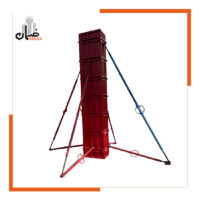
Increasing the dimensions of beams and columns through additional concrete placement and
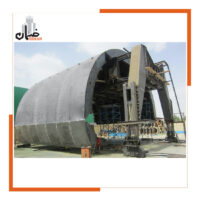
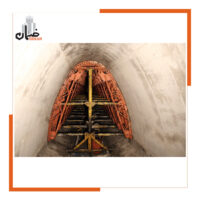
column formwork
. - Steel Jacketing:
Confining concrete elements using steel plates. - FRP Systems (Fiber-Reinforced Polymers):
A modern and lightweight solution for tensile and flexural strengthening. - Addition of Shear Walls:
Used to resist lateral seismic loads. - Post-Tensioning:
Applying compressive forces to control cracking.
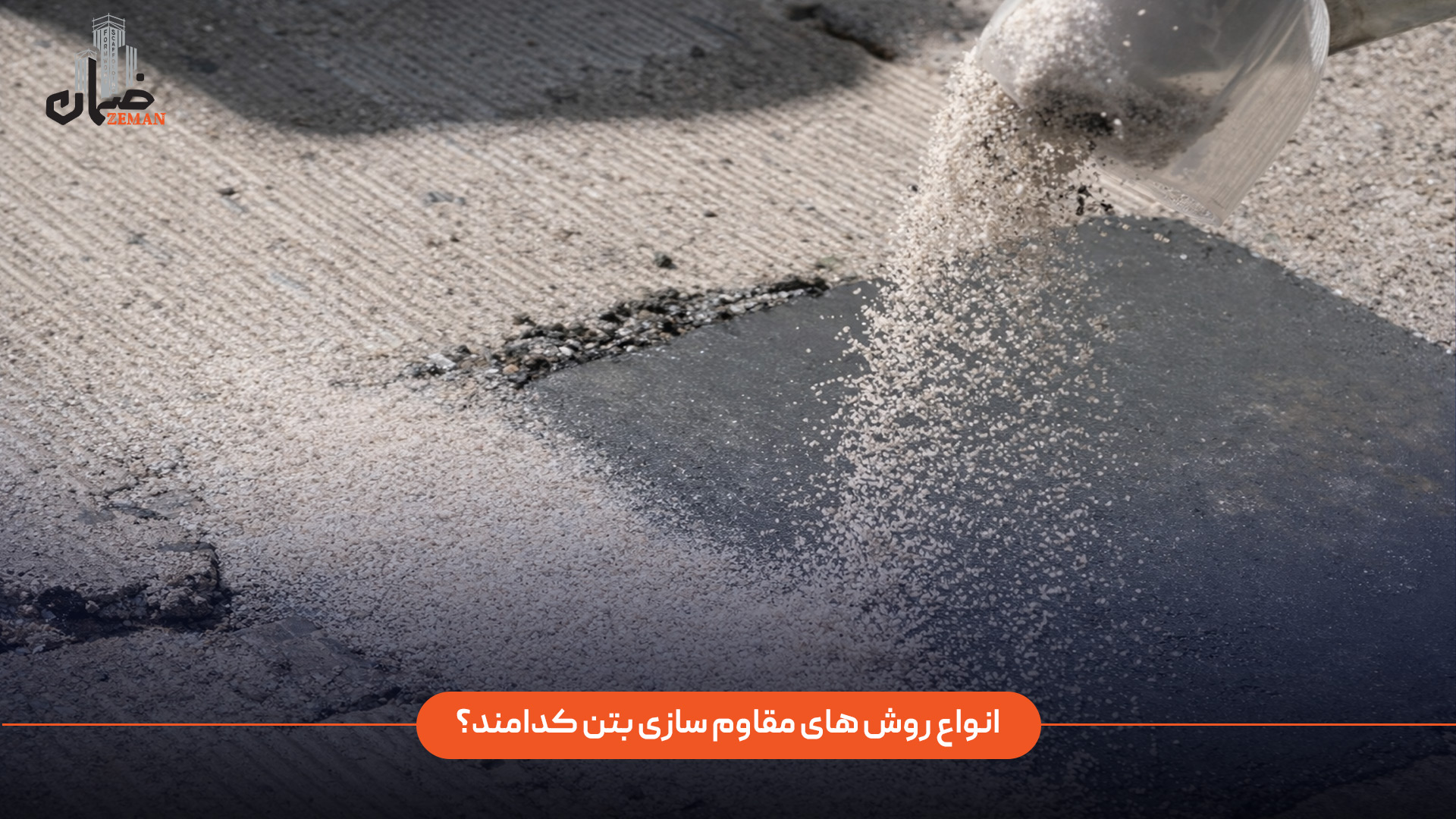
Structural Strengthening Using Concrete Jacketing
Concrete jacketing is one of the classical methods used to increase the gravity and lateral load-bearing capacity of columns and beams. In this method, a layer of reinforced concrete (including longitudinal rebars and closed stirrups) is constructed around the existing structural member. This process effectively increases the cross-sectional area of the member.
Advantages of Using Concrete Jacketing
The use of concrete jacketing significantly increases the stiffness of the structure, which is highly effective in controlling lateral displacements (drift) during earthquakes. Moreover, since the new material is homogeneous with the existing one (both being concrete), the structural behavior becomes more predictable. This method also preserves the fire resistance of the strengthened member very well.
Execution Steps and Key Considerations for Concrete Jacketing
For concrete jacketing to perform properly, full composite action between the “existing concrete” and the “new concrete” must be achieved.
- Surface Roughening:
First, the surface of the existing concrete must be chipped or roughened to enhance mechanical interlock. - Rebar Anchoring:
To connect the new reinforcement cage to the existing structure, drilling and rebar anchoring (rebar doweling) is required. Using high-strength, fast-curing rebar anchoring adhesive at this stage is critical to ensure proper force transfer. Zeman website offers the best brands of rebar anchoring adhesives. - Application of Bonding Layer:
Before placing the new concrete, the use of concrete bonding agents or latex is recommended to create chemical adhesion between the two concrete layers. - Concrete Placement:
Due to the congestion of reinforcement and limited formwork space, self-compacting concrete or high-slump concrete is typically used, requiring powerful superplasticizers.
Strengthening with Steel Jacketing
When architectural constraints prevent increasing the dimensions of columns, steel jacketing becomes a more suitable option. In this method, steel plates or angle sections are installed around the concrete member and securely connected to it.
When Should Steel Jacketing Be Used?
This method is extremely effective in increasing the ductility and shear strength of columns, although it has less impact on increasing structural stiffness compared to concrete jacketing. Steel jacketing offers fast execution and imposes less additional weight on the structure. It is commonly implemented either as full wrapping (for circular columns) or as a braced steel cage (for rectangular columns).
Challenges of Bonding Steel Plates to Concrete
The greatest challenge in steel jacketing is filling the small gap between the steel plates and the concrete surface. If this gap remains unfilled, the steel plates may buckle and fail to carry the load effectively. To address this issue, the injection of epoxy resins or polymer grouts is essential. In addition, to protect steel plates against corrosion and fire, they must be covered with fireproof coatings or protective mortars.
Concrete Jacketing vs. Steel Jacketing: Which Is Better?
| Feature | Concrete Jacketing | Steel Jacketing |
| Increase in Dimensions | High (space-consuming) | Low (architecturally suitable) |
| Increase in Stiffness | Very High | Moderate |
| Increase in Structural Weight | High | Low |
| Requirement for Skilled Labor | Moderate (rebar installation crew) | High (skilled welding crew) |
| Fire Resistance | Good | Weak (requires fireproofing) |
Choosing between these two methods entirely depends on your project conditions. If sufficient space is available and increasing stiffness is a priority, concrete jacketing is an excellent option. However, if rapid execution and minimal space occupation are critical, steel jacketing should be selected.
In the next section of this article, we will explore one of the most modern and advanced technologies in the world today—structural strengthening with FRP fibers, which has revolutionized the structural strengthening industry.
What Is the FRP System and How Does It Work?
FRP stands for Fiber Reinforced Polymer. This system consists of two main components:
- Fibers:
Typically made of carbon (CFRP) or glass (GFRP), responsible for carrying tensile forces. - Resin or Matrix:
Usually epoxy-based, responsible for bonding the fibers to the concrete surface and transferring stresses between them.
These fibers are applied in the form of fabrics or thin strips bonded to the external surfaces of beams, columns, and
concrete slabs,
significantly increasing their structural capacity.
Essential Equipment for Structural Strengthening Works
In all of the above strengthening methods, the use of standard equipment plays a critical role, including:
Exposed concrete formwork
for superior surface quality
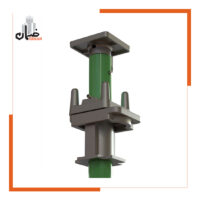
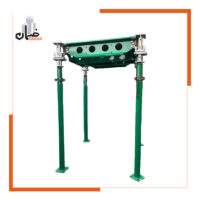
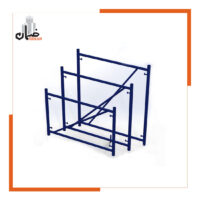
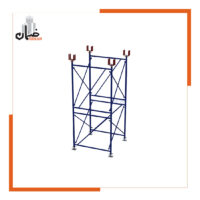
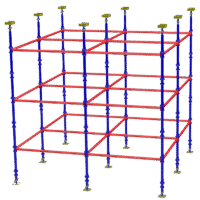
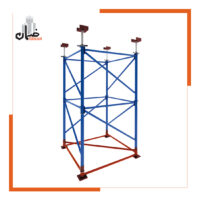
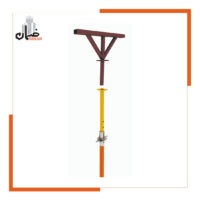
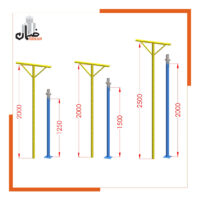
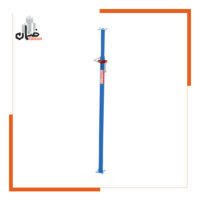
U-head shoring props
for supporting formwork loads
Concrete mixers
for uniform concrete mixing- Compliance with
concrete curing time
to achieve the final design strength
Why Has FRP Replaced Traditional Methods? (Advantages)
- Extremely low weight:
Unlike concrete and steel jacketing, FRP imposes virtually no additional dead load on the structure. - Minimal thickness:
The final thickness of an FRP system is only a few millimeters and does not occupy any architectural space. - Corrosion resistance:
Polymer fibers do not corrode and are ideal for humid or aggressive environments such as wastewater treatment plants and marine structures. - Ease and speed of installation:
FRP installation does not require heavy equipment and can be completed in a very short time.
Types of FRP Applications in Buildings
The FRP system is highly versatile and can be used to address a wide range of structural deficiencies:
1. Flexural Strengthening of Beams and Slabs
By bonding FRP strips to the bottom (tension) face of beams or slabs, their flexural load-bearing capacity can be increased. This method is an effective alternative to installing additional rebars or adding steel sections beneath slabs.
2. Shear Strengthening of Beams
To compensate for insufficient stirrups and to prevent shear cracking (diagonal cracks), FRP fibers can be applied in the form of U-shaped wraps or full wraps on both sides of the beam.
3. Column Confinement
One of the most important applications of FRP is wrapping columns. This process confines the concrete core of the column, resulting in increased ductility and axial load capacity. This technique is critical in seismic retrofitting to prevent brittle failure of columns.
Key Execution Considerations for FRP Installation
The success of an FRP system is entirely dependent on the quality of its bond to the concrete substrate. Any execution defect may lead to premature debonding of the fibers.
- Surface preparation:
The concrete surface must be completely clean, dry, and free from dust, grease, or contaminants. Surface irregularities should be removed by grinding. - Repair of the substrate concrete:
If the underlying concrete is cracked or honeycombed, it must be repaired with suitable repair mortars prior to FRP installation. The use of high-quality Zeman products provides a proper substrate for installation. - Resin quality:
The epoxy resin must be mixed strictly in accordance with the manufacturer’s instructions. The resin-to-hardener ratio is highly sensitive.
Although FRP offers numerous advantages, the initial material cost—especially for carbon fibers—is relatively high. However, when reduced execution costs, minimal interruption to building operation, and long service life are considered, FRP is often economically justified.
In the next section, we will discuss complementary and more specialized methods such as external post-tensioning and the addition of shear walls, which are applicable to larger projects and major structural modifications.
Addition of Shear Walls
When it comes to earthquake resistance, shear walls are the most effective structural elements. Many older buildings rely solely on moment-resisting frames, which often lack sufficient lateral stiffness for major earthquakes. Adding new shear walls is the most effective way to control interstory drift.
How Is This Method Implemented?
Typically, bays of the structural frame that do not interfere with architectural requirements are selected and infilled with reinforced concrete shear walls. These new walls must be fully connected to the surrounding beams and columns.
- Rebar anchoring:
The connection of the new wall reinforcement to existing beams and columns is achieved through rebar anchoring. The quality of the anchoring adhesive is critical, as all seismic forces are transferred to the wall through these connections. - Concrete placement:
Shear wall concreting is usually carried out using pumps and in stages. The use of concrete plasticizers is essential to ensure proper consolidation between dense wall reinforcements.
Advantages: Significant increase in structural stiffness and strength, substantial reduction in lateral displacements.
Disadvantages: Increase in structural weight (foundation reassessment required), architectural changes and closure of open spaces, high cost, and longer execution time.
External Post-Tensioning
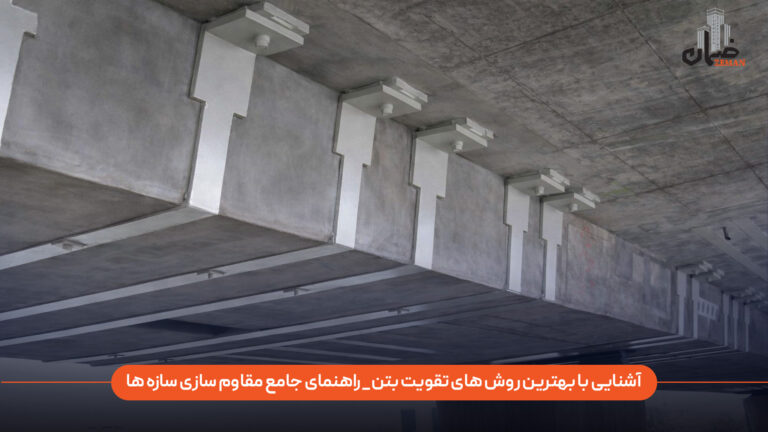
This method is one of the most intelligent techniques for correcting excessive beam deflection and closing existing cracks. In external post-tensioning, high-strength steel cables or tendons are installed outside the concrete member and stressed.
Mechanism of Action
By stressing the cables and anchoring them at both ends of the beam or slab, a significant compressive force is introduced into the concrete. This compressive force counteracts gravity loads that induce tensile stresses at the bottom of the member. In essence, this method applies an opposing force to neutralize the effects of loading.
Applications
- Rehabilitation of bridges and long-span beams:
Highly effective in reducing deflection and vibration in long spans. - Removal of obstructive columns:
In some renovation projects, post-tensioning beams can increase their capacity sufficiently to eliminate the need for intermediate columns.
To protect post-tensioning cables from corrosion and environmental exposure, they are typically placed inside polyethylene ducts and filled with cementitious grout or special grease. The use of high-strength, expansive grouts available on the Zeman website ensures complete duct filling and proper force transfer.
Steel Bracing
An alternative to concrete shear walls is the use of steel bracing systems (concentric or eccentric) within concrete frames.
- Main advantage:
Significantly lower weight compared to concrete walls and much faster installation. - Challenge:
Connecting steel bracing plates to concrete frames is highly sensitive and requires precise detailing and the installation of high-capacity anchor bolts.
Selection of the Appropriate Strategy
The choice between adding shear walls and external post-tensioning depends on your project objectives. If seismic performance control is the primary goal, shear walls and steel bracing are the best options. However, if the issue is excessive beam deflection or insufficient gravity load capacity, external post-tensioning is a more engineering-oriented solution.
In the final section of this article, we will address key post-retrofitting maintenance considerations and provide a comprehensive conclusion to ensure that your investment in structural strengthening delivers long-term durability.
The Critical Role of Chemical Materials in Concrete Strengthening
Regardless of the strengthening method selected, success depends directly on the quality of chemical materials and admixtures used to connect the “existing structure” to the “new materials.” A strong strengthening system with weak bonding agents is destined to fail.
1. Importance of Grouts
In methods such as steel jacketing or base plate installation, the void beneath the element must be filled with a non-shrink material possessing very high compressive strength. Using ordinary grouts may result in air gaps and improper load transfer. We recommend reviewing and selecting standard cementitious and epoxy-based grouts from the Zeman website, specifically designed to تحمل heavy loads.
2. Construction Adhesives: The Invisible Connectors
In rebar anchoring for concrete jacketing or shear wall addition, anchoring adhesives play a decisive role. Likewise, in FRP systems, the fiber saturation resin must have appropriate viscosity and curing characteristics. Using expired or non-certified adhesives can jeopardize the entire strengthening project. Be sure to source original, tested products from the construction adhesives section of the Zeman website.
3. Protection of Repaired Surfaces
After completion of the strengthening operations, concrete and steel surfaces must be protected against environmental factors. The use of protective coatings can extend the service life of the strengthened structure by several decades.
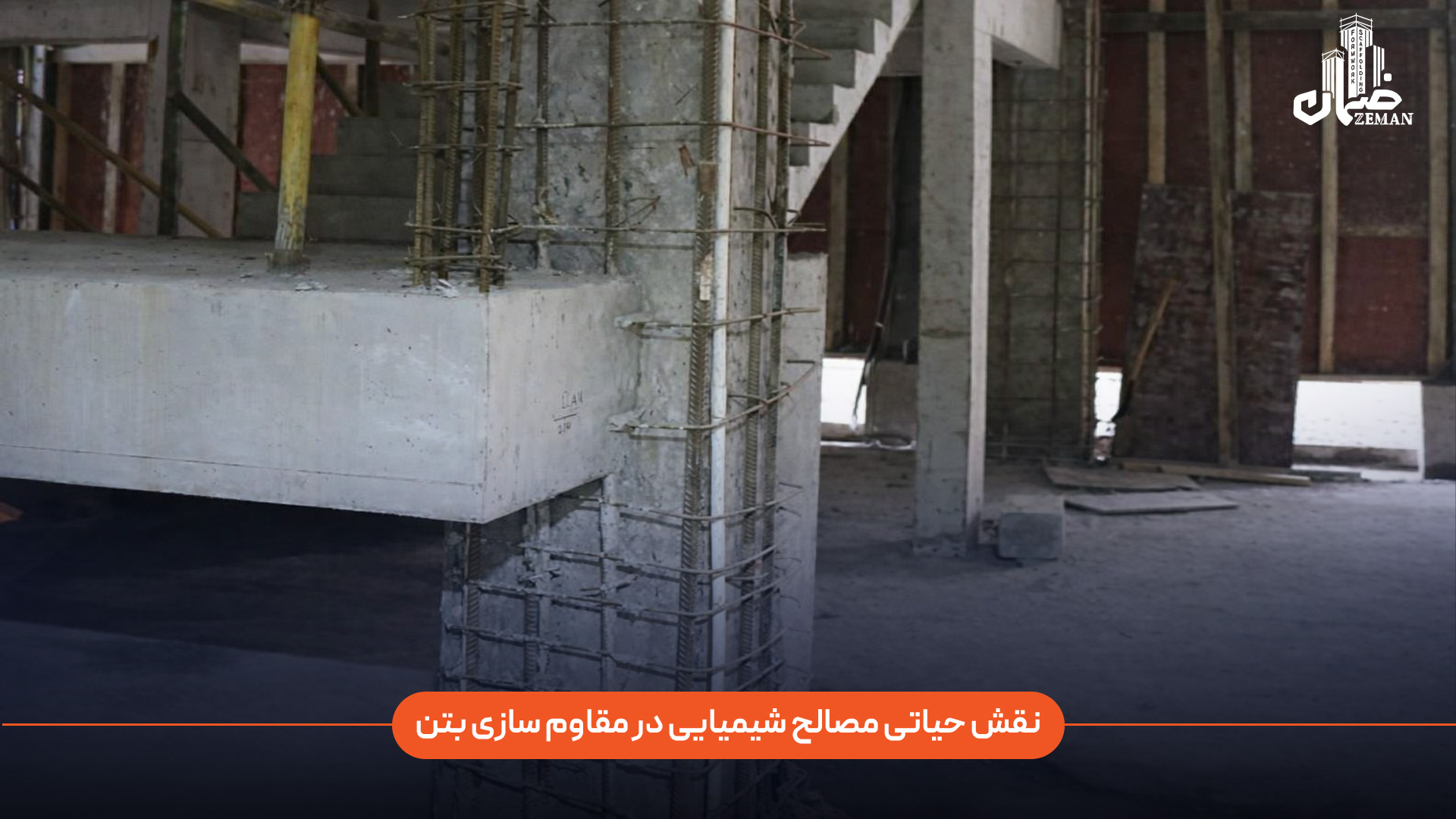
Periodic Inspection and Monitoring
Do not assume that the work is finished once strengthening has been completed. Strengthened structures—especially those retrofitted using sensitive systems such as FRP or post-tensioning cables—require periodic inspections and monitoring.
- Crack inspection:
Have any new cracks appeared in the strengthened areas? - Connection checks:
Have steel plates or FRP fibers experienced any detachment, debonding, or bulging? - Corrosion:
Are there any signs of rusting in steel jackets or in the anchorage systems of the post-tensioning cables?
Conclusion: Which Method Is Right for You?
Let us briefly review the available options:
- Concrete Jacketing:
Suitable for simultaneous increases in stiffness and strength when space limitations are not critical. - Steel Jacketing:
Appropriate for improving ductility and achieving rapid execution when architectural constraints exist. - FRP Systems:
Ideal for fast, lightweight strengthening without architectural changes, and for environments requiring high corrosion resistance. - Shear Walls:
Best suited for comprehensive correction of the structural system against seismic loads. - Post-Tensioning:
Effective for eliminating excessive deflection and increasing the load-bearing capacity of long-span beams.
Structural strengthening is a precise and sensitive engineering discipline. Never select a strengthening method without consulting qualified structural engineers and experienced specialists. The cost you invest today in professional consultation and in purchasing high-quality materials from reputable suppliers such as Zeman is an investment in your future safety and peace of mind.