




ECO Slab Formwork
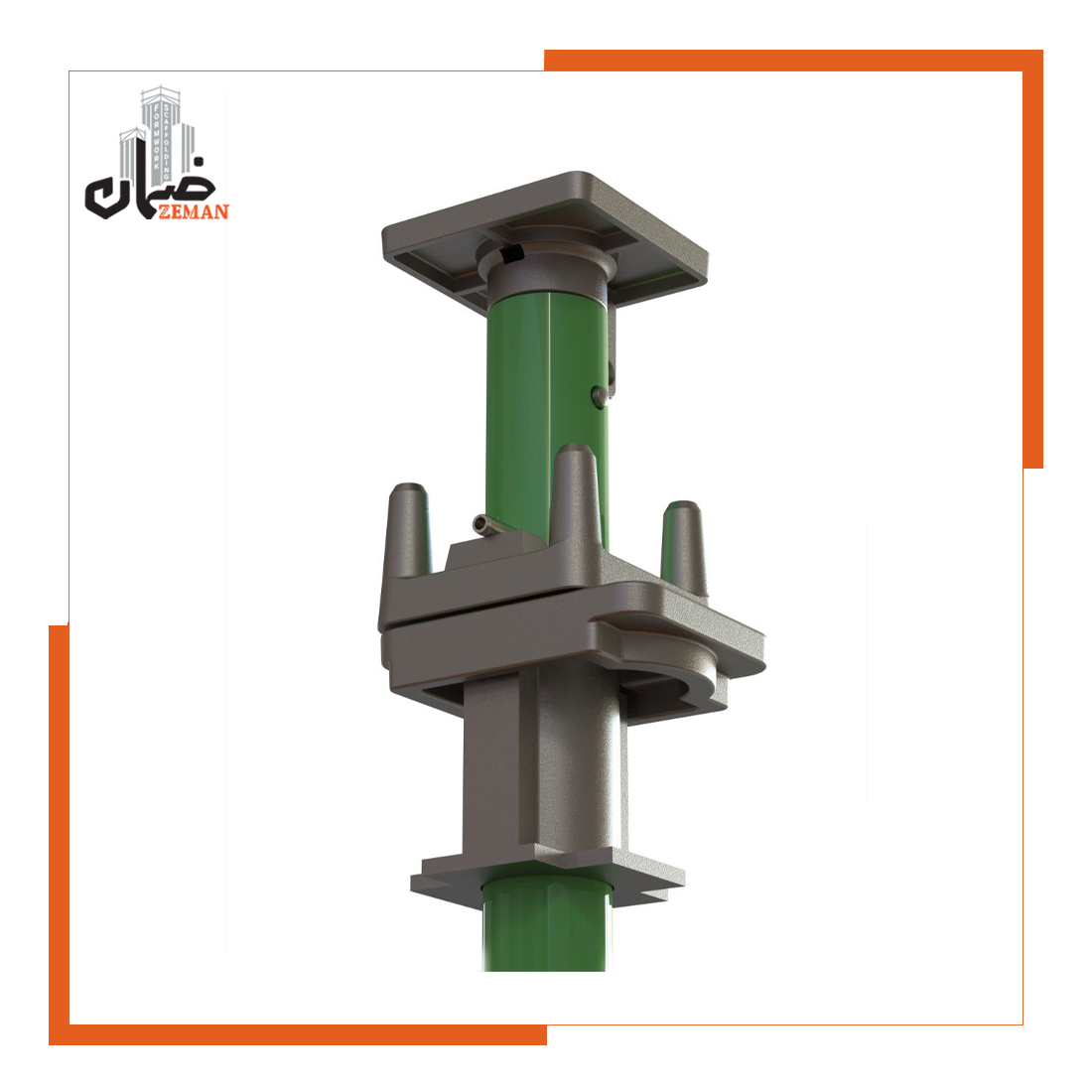
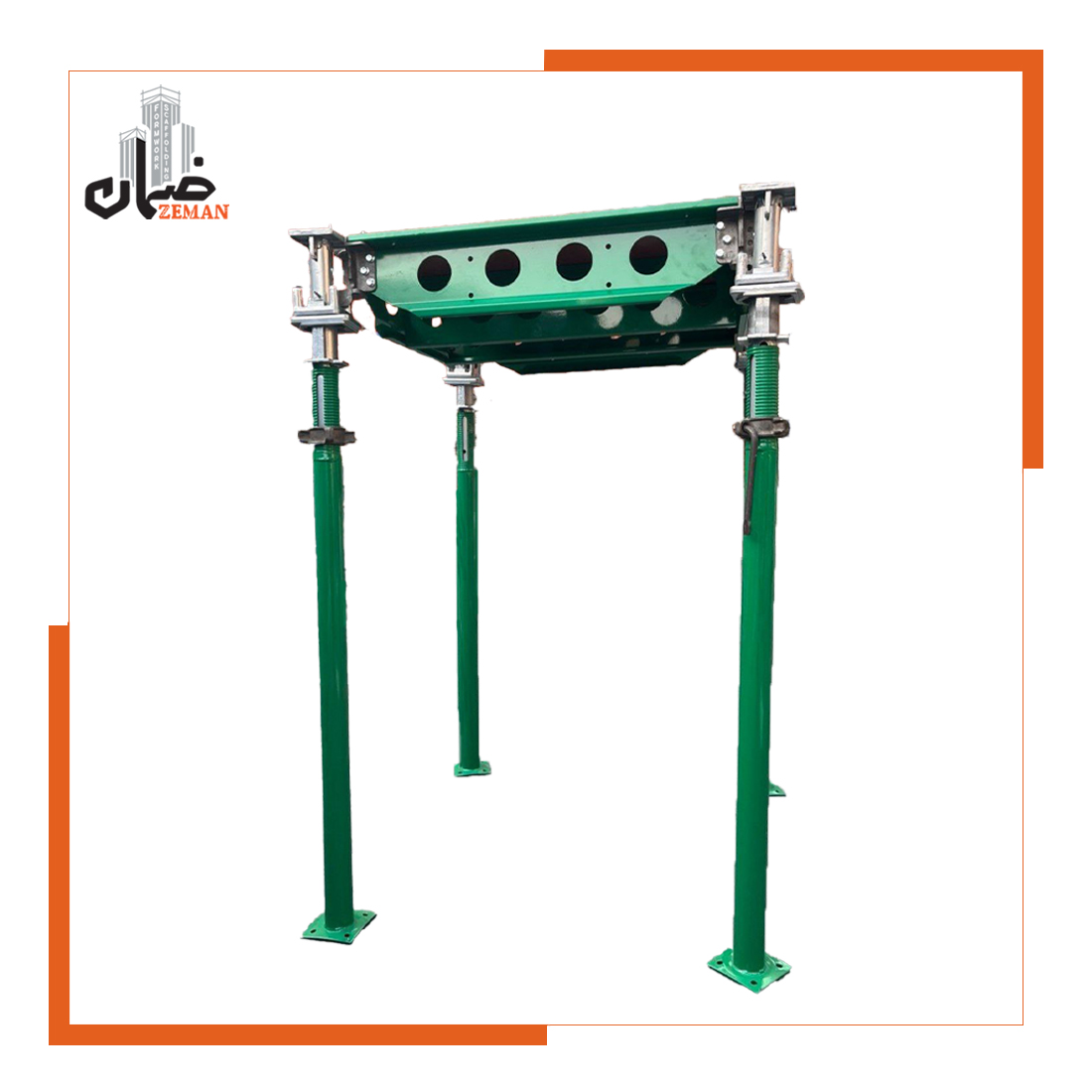
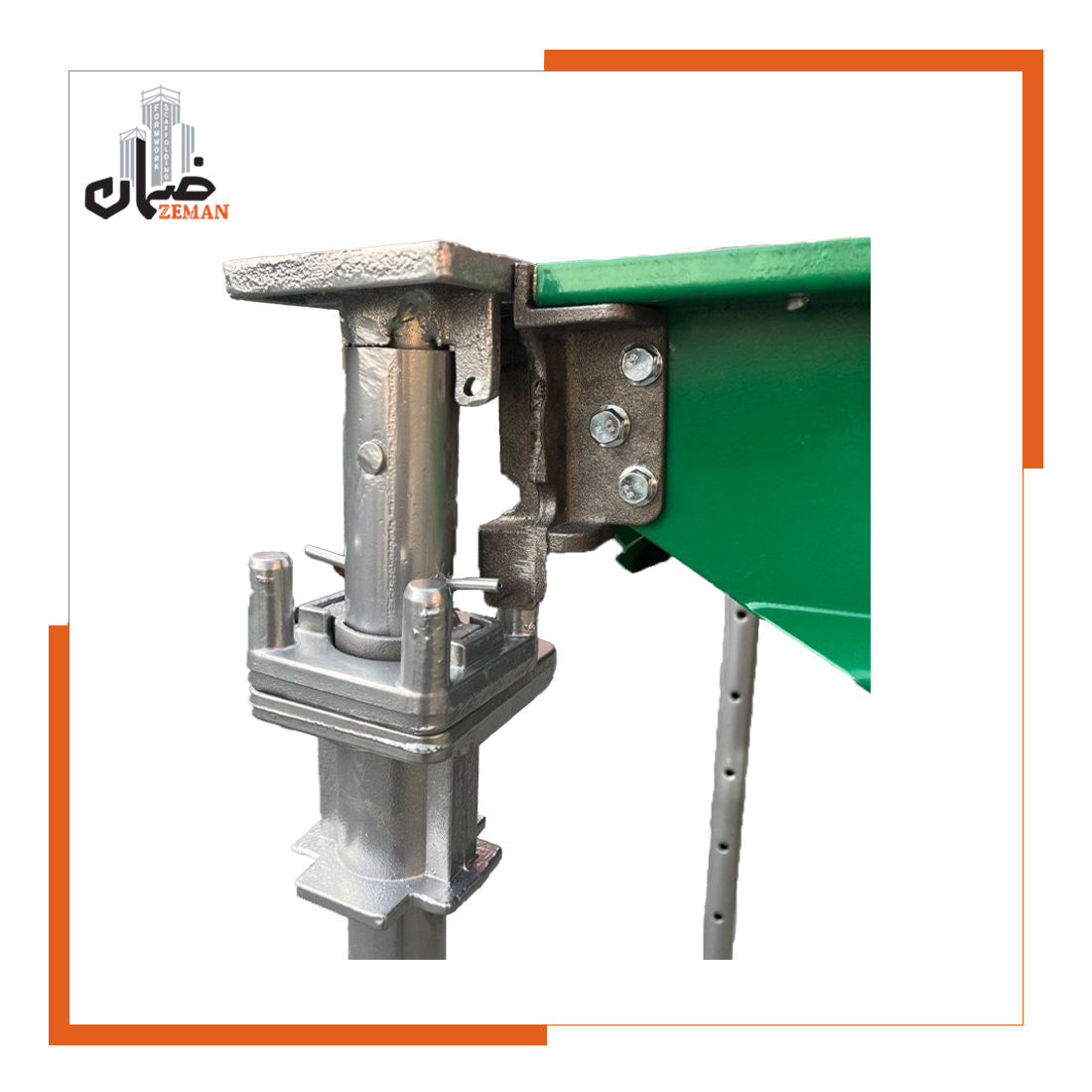
The ECO formwork system is an advanced solution consisting of panels with a steel structural frame and a plywood facing, together with dedicated props designed to support the panels and enable rapid formwork stripping. This system provides an efficient solution for a wide range of concrete structures and effectively meets diverse construction requirements under varying site conditions.
This system is based on the structural mechanism of four-legged table formwork and is installed in a systematic, puzzle-like manner. The panels and props are manufactured from high-quality Q345 structural steel and are supplied in CKD (Completely Knocked Down) form, assembled and connected to each other using bolts and nuts.
Features:
Simple and Innovative:
- Minimal components: only panels, props, and secondary beams
- No need for cross bracing or tripods
- Easy horizontal and vertical relocation
Fast and Efficient:
- A four-person crew for installation, dismantling, and handling
- Execution capacity of up to 60 square meters per working day per person
Safe and Reliable:
- Stable system with a six-directional locking mechanism
- No need to lift components above shoulder height
Advantages:
- Reduced labor and equipment costs
- High execution speed in formwork installation and concrete placement
- Reduced material waste and additional project costs
- Improved project control and higher overall quality
ECO Slab Formwork
The Future of Slab Construction: Efficiency, Safety, and Economy with the ECO Slab Formwork
In the dynamic landscape of the construction industry, project managers, engineers, and contractors are constantly faced with a triple challenge: controlling escalating material costs, complying with stringent safety standards, and meeting growing pressure to accelerate project completion. Traditional slab construction methods—particularly the use of polystyrene (EPS) blocks—despite their initial advantages, no longer meet the requirements of modern construction due to inherent drawbacks such as high flammability, fragility on site, and adverse environmental impacts. In response to these challenges, a new generation of formwork technologies has emerged.
The ECO slab formwork has been developed as an advanced, engineered solution to revolutionize the execution of beam-and-block concrete slabs. This system is not merely a simple replacement for conventional materials, but a strategic upgrade to the entire construction process, founded on three core principles:
- Economy
- Safety
- Efficiency
Thanks to its reusability, the ECO formwork significantly reduces long-term costs; by eliminating polystyrene blocks, it reduces fire risk to zero; and through its lightweight and intelligent design, it substantially increases execution speed.
What Is ECO Slab Formwork?
ECO slab formwork is a modular, polymer-based, interlocking formwork system specifically designed for the execution of beam-and-block concrete slabs. The key and distinguishing feature of this product is its non-permanent nature; meaning that after concrete has set, the formworks can be easily removed from the slab and reused on subsequent floors or future projects. This characteristic places it in direct contrast to single-use filler blocks such as polystyrene, clay, or cement blocks, which remain permanently embedded in the slab after concreting.
Primary Objective and Design Innovation
The fundamental objective of the ECO formwork is the complete elimination of inefficient and high-risk filler blocks from the construction process. The innovation of this system lies in its intelligent integration of two key functions: on one hand, it creates the required voids between joists to reduce the dead load of the slab, similar to a conventional block; on the other hand, it functions as a professional formwork system that enables repeated reuse. This dual-purpose approach defines a new standard of productivity and sustainability in concrete slab construction.
Material Science and Advanced Engineering
The success of ECO formwork is rooted in material science and advanced engineering design. These formworks are manufactured from premium-grade industrial polymers such as high‑density polypropylene (HDPP) or high‑density polyethylene (HDPE), which provide exceptional resistance to impact, pressure, and harsh site conditions. The design incorporates the following key features:
- Lightweight and Ergonomic: The low weight of each form allows for easy handling and transportation by a single worker, eliminating the need for heavy equipment such as cranes.
- Structural Strength: Internal ribbing and reinforcing elements ensure sufficient strength to withstand the weight of fresh concrete and worker traffic during execution, preventing cracking or deformation.
- Non‑Adhesive, Smooth Surface: The polymer surface of the forms is completely smooth and non‑absorbent. This prevents concrete from adhering to the formwork, making stripping extremely easy. As a result, no release oil or chemical agents are required, leading to further savings in time and cost.
Technical and Engineering Specifications of ECO Slab Formwork
For engineers, architects, and technical project managers, access to accurate technical data is essential for structural calculations and execution planning. The table below clearly presents the key technical specifications of the ECO slab formwork, introducing the product as a reliable and standardized engineering solution.
| Technical Parameter | Value / Description |
| Material | High-Density Polyethylene (HDPE) or Industrial-Grade Polypropylene (PP) |
| Standard Dimensions | Length: 100 cm; Width: 46 cm (for concrete joists) and 66 cm (for steel/chromite joists) |
| Form Height | 25 cm (other standard heights available based on project requirements) |
| Weight per Unit | Approx. 3–4 kg (depending on model) |
| Reusability | Minimum of 50 cycles (with proper maintenance) |
| Joist Compatibility | Concrete lattice joists, steel (chromite) joists, and prestressed joists |
| Fire Resistance | Slow-burning / does not contribute to fire spread (unlike polystyrene) |
| Release Agent Requirement | No oil or release agent required |
| Warranty | One-year replacement warranty in case of breakage under standard execution conditions |
Advantages of ECO: A Multi-Dimensional Value Proposition
Using ECO slab formwork goes beyond a simple material substitution; it represents a transformation in the managerial, financial, and safety approach to construction projects. The benefits of this system optimize multiple aspects of the construction process.
Exceptional Economic Efficiency
Although the initial cost of ECO formwork is higher than that of a polystyrene slab system, this expense constitutes a capital investment (CapEx) that rapidly pays for itself, rather than a recurring operational cost (OpEx).
- Return on Investment (ROI) Analysis: The initial purchase cost of ECO formwork is typically recovered after the fourth or fifth slab execution. In high-rise projects, this system results in significant net savings. For example, in a 10-story building, the total formwork cost using the ECO system can be up to 50% lower than the cost of purchasing polystyrene blocks for all floors.
- Elimination of Ancillary Costs: Expenses related to repeated transportation of bulky and fragile blocks, on-site storage, and material waste due to breakage are completely eliminated.
- Buy-Back Option: Some manufacturers offer buy-back programs for used formworks after project completion, preserving the residual asset value and further enhancing economic attractiveness.
Enhanced Safety and Structural Integrity
Safety on site and structural stability are two top priorities in any construction project.
- Reduced Dead Load and Improved Seismic Performance: Replacing heavy filler blocks with voids formed by lightweight ECO units significantly reduces slab dead load. This reduction improves seismic performance and may allow optimization of column and foundation dimensions.
- Complete Elimination of Fire Risk: Polystyrene is highly flammable and produces toxic gases during combustion, rapidly spreading flames. By completely eliminating this material, ECO formwork removes one of the most critical safety risks from both the job site and the finished building.
- Worker Safety: The high structural strength of polymer ECO formworks allows workers to safely walk on the slab during reinforcement and concreting operations. This completely eliminates the risk of block breakage and falls commonly associated with polystyrene systems.
Increased Speed and Ease of Execution
Time equates to cost in construction projects. ECO formwork acts as an execution accelerator.
- Easy Handling and Installation: The extremely low weight of the forms allows a single worker to carry and install multiple units simultaneously, significantly increasing installation speed.
- Simple Execution Process: The execution method using ECO formwork is fundamentally similar to conventional beam-and-block systems, enabling work crews to operate without specialized training.
- Optimized Logistics: Instead of continuous delivery of filler blocks for each slab, a one-time purchase and storage of durable, compact formworks is sufficient.
Sustainable Construction and Environmental Responsibility
In an era where sustainability is a necessity, ECO formwork helps projects comply with environmental standards.
- Reduction of Construction Waste: Reusability exceeding 50 cycles prevents the generation of massive quantities of non-biodegradable polystyrene waste.
- Recyclable Materials: ECO formworks are manufactured from 100% recyclable polymers and can re-enter the production cycle at the end of their service life, contributing to a circular economy.
Comprehensive Comparison: ECO Formwork vs. Other Slab Systems
Selecting a slab system directly impacts project cost, schedule, and final quality. The following table provides a transparent, data-driven comparison between ECO slab formwork, polystyrene blocks (representing the traditional method), and waffle formwork (a modern alternative), to support informed decision-making.
Step-by-Step Execution Guide for the ECO Formwork System
Ease of execution is one of the greatest advantages of ECO formwork. The system is designed to be implemented with minimal changes to existing construction processes.
Step 1: Shoring and Support Installation
According to construction drawings, the support system—including slab props and horizontal members (timber joists or steel profiles)—is installed at standard spacings. This stage is similar to conventional beam-and-block slab execution.
Step 2: Joist Placement
Prefabricated joists (concrete, chromite steel, or prestressed) are placed on the main beams at specified intervals.
Step 3: Placement of ECO Formworks
Lightweight ECO forms are easily installed between joists by manual labor. Their modular design ensures fast and accurate positioning.
Step 4: Reinforcement Installation
Thermal and structural reinforcement mesh (top reinforcement) is installed over the forms and joists in accordance with structural drawings.
Step 5: Concreting
Concrete placement is carried out. Due to the high strength of the forms, workers can safely walk on the slab to perform vibration and surface leveling.
Step 6: Curing and Stripping
After the required initial curing period (typically 7 to 10 days, depending on weather conditions), the slab props are released and the ECO forms are easily removed from beneath the slab using a dedicated tool (wrench). After simple cleaning with water, the forms are ready for reuse on the next floor.
Frequently Asked Questions (FAQ) About ECO Formwork
The initial cost of ECO formwork is higher than polystyrene. Is this investment justified?
Yes, absolutely. This cost represents an initial investment that quickly pays off in multi-story projects. Since the purchase cost is amortized after 4 to 5 slabs, subsequent floors incur no filler block costs, while also benefiting from reduced transportation and elimination of material waste.
How many times can each ECO form be reused?
ECO formworks are designed for a minimum of 50 uses. With proper maintenance and correct stripping procedures, this number can be significantly increased. To ensure quality, the product is covered by a one-year replacement warranty for breakage under standard conditions.
Is ECO formwork compatible with all types of joists?
Yes. ECO formworks are produced in two standard widths: one suitable for concrete lattice joists with a 46 cm bearing width, and another suitable for steel (chromite) and prestressed joists with a 66 cm bearing width.
Is specialized labor required to work with ECO formwork?
No. One of the key advantages of this system is its simplicity. Any crew with experience in beam-and-block slab construction can use ECO formworks without special training. However, on-site technical support is provided for the first project.
Can this system achieve exposed concrete finishes?
Yes. The smooth and polished surface of ECO forms produces a highly uniform and high-quality concrete soffit. This makes ECO formwork an ideal solution for projects such as multi-story parking structures, commercial spaces, and modern architectural designs where exposed concrete is desired.
Partner with Us for Your Next Project
Choosing ECO slab formwork is not merely a purchase—it is a strategic decision to enhance quality, increase profitability, and ensure safety in your construction projects. Backed by technical expertise, a commitment to quality, and comprehensive support services, we stand by you to successfully implement this transformation. Our engineering team is ready to provide specialized consultation to optimize your slab design and accurately calculate the economic savings achieved through the ECO system. With a one-year replacement warranty and on-site technical support, we have full confidence in the durability and performance of our product.
Take action today for a safer, faster, and more economical future in your construction projects.
Get expert advice
Our sales experts at Zaman are ready to provide guidance and advice before your purchase.

Reviews
There are no reviews yet.