



In the construction industry, the final quality of a concrete structure is directly dependent on the quality of its formwork system.
One of the most common and costly challenges faced by contractors and engineers style=”text-align: justify;”>
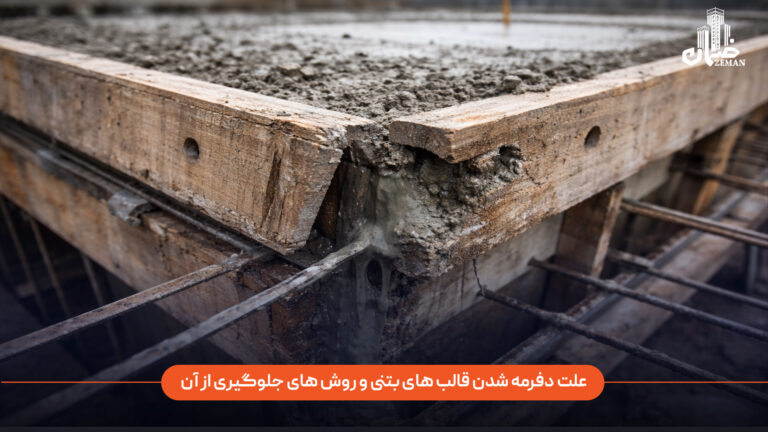
One of the most common and costly challenges faced by contractors and engineers is the deformation of concrete formwork panels (Deformation). Formwork deformation not only compromises the appearance of exposed concrete, but can also lead to concrete waste, increased repair costs, and even a reduction in the structural strength of the element.
In an effort to reduce costs, many project owners turn to used concrete formwork. However, without proper knowledge of the causes of formwork deformation and the correct methods for evaluating formwork condition, this decision may put their investment at serious risk. In this specialized technical article by Zeman Company—one of the leading manufacturers of robotic formwork systems in the Middle East—we examine the engineering causes of formwork deformation, preventive measures, and key considerations when purchasing new and used concrete formwork.
What Is Concrete Formwork Deformation and Why Does It Matter?
Formwork deformation refers to any physical change in the shape of formwork panels that causes them to deviate from their flat and standard geometry. These deformations typically appear in the following forms:
- Bulging: outward bowing at the center of the panel due to concrete pressure.
- Warping: twisting or bending of the panel edges or perimeter straps.
- Localized dents: caused by impact or improper handling during transportation.
The importance of preventing this phenomenon becomes clear when we consider that formwork operations account for a significant portion of the total cost of reinforced concrete structures. When formwork becomes deformed, the resulting concrete surface will be uneven and will require grinding, patching, or injection repair—leading directly to additional and avoidable costs.
Main Causes of Concrete Formwork Deformation
To prevent deformation, we must first understand its root causes. Formwork deformation is usually the result of a combination of pressure effects, manufacturing quality, and execution practices.
1. Hydrostatic Pressure of Fresh Concrete
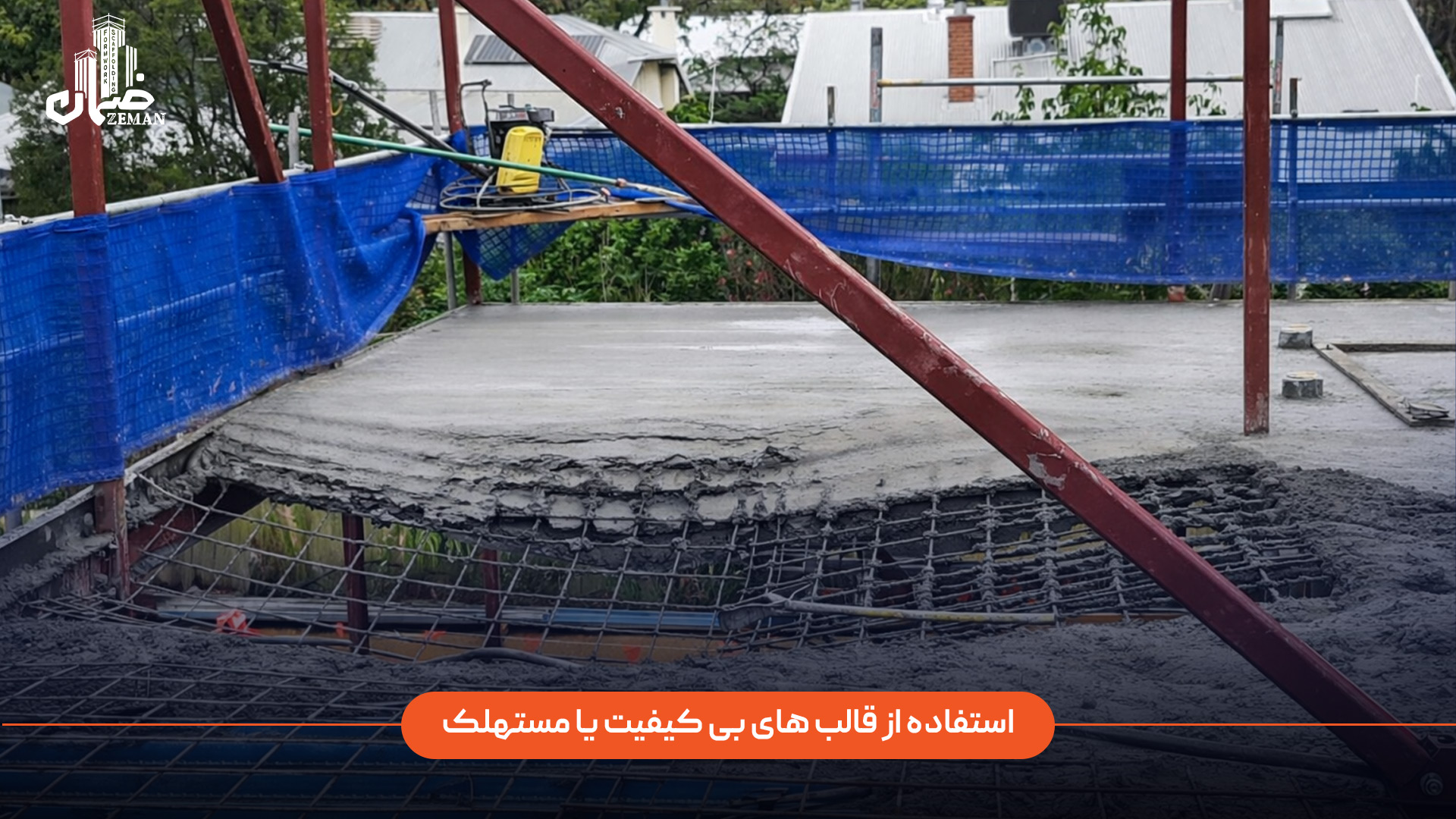
The most significant cause of deformation is the pressure exerted by fresh concrete. When concrete is poured at a significant height and at a high rate, it applies pressure to the formwork walls similar to that of a liquid.
- Technical Note: The higher the rate of pour and the greater the concrete slump (workability), the higher the pressure applied to the formwork. If the formwork facing sheet does not have sufficient thickness (typically 3 mm in Zeman standard systems), it will be prone to bulging.
2. Inadequate Bracing System
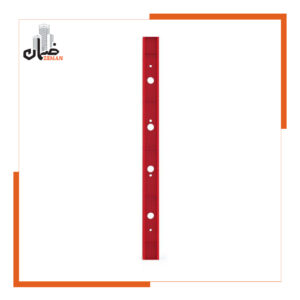
Modular metal formwork systems alone are not capable of resisting the lateral pressure of concrete in tall walls or columns. Improper or insufficient use of soldiers and back-up pipes can cause the formwork to open, shift, or deform during vibration.
3. Use of Low-Quality or Worn-Out Formwork
In today’s market, many contractors seek used concrete formwork. While purchasing used formwork can be economical, if the panels are made from low-quality alloy steel sheets (such as substandard ST37 steel) or feature non-uniform manual welding, they may suffer from metal fatigue after repeated use and become deformed.
By utilizing robotic welding technology, Zeman significantly reduces thermal stresses during manufacturing and greatly increases the resistance of its formwork panels against deformation.
4. Mechanical Impact and Improper Handling
A large portion of formwork deformation occurs not during concrete placement, but during stripping (demounting) and transportation. Dropping panels from height or striking the formwork directly with a metal hammer to separate it from the concrete can lead to edge distortion and permanent deformation.
5. Over-Vibration
Concrete vibration is essential for removing trapped air, but if the vibrator hose directly contacts the formwork surface or if vibration is applied excessively at a single location, severe localized pressure can be generated, leading to outward deformation of the formwork sheet.
Used Concrete Formwork: Opportunity or Threat?
One of the most frequently searched terms in the construction equipment market is used concrete formwork. But is purchasing used formwork suitable for your project? And how can you ensure that the panels are not deformed before buying?
Why Are Used Formwork Panels More Prone to Deformation?
Metals have a form of “memory.” A formwork panel that has been subjected to stresses beyond its allowable limits in previous projects—even if it appears visually sound—will have a lower tolerance threshold during subsequent concrete pours and will deform more rapidly. In addition, used formwork panels that have not been properly cleaned and oiled often have uneven surfaces, which directly reduces the quality of the finished concrete.
Used Concrete Formwork Buying Guide (Formwork Condition Checklist)
If your project budget is limited and you plan to purchase used concrete formwork, be sure to inspect the following items carefully to avoid deformed panels:
- Inspection of the perimeter straps: Place two panels together from the strap side. If a visible gap or light can be seen between them, it indicates that the edges are deformed and cement grout will leak through during concreting.
- Inspection of the sheet surface: Run your hand across the steel face sheet to detect any waviness or bulging. The surface must be completely flat.
- Weld quality: Pay close attention to the connection points between the straps and the steel sheet. Panels manufactured with manual welding often develop micro-cracks at these locations. (Our strong recommendation is to use formwork produced with robotic welding technology—even when purchasing used panels.)
- Surface cleanliness: Used formwork with hardened concrete residue will require sandblasting or acid washing, which significantly increases your overall costs.
Methods to Prevent Concrete Formwork Deformation
Prevention is always more effective and less expensive than repair. By following the guidelines below, you can significantly extend the service life of your formwork systems:
1. Accurate Formwork Design
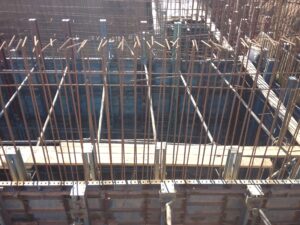
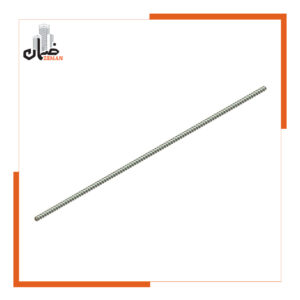
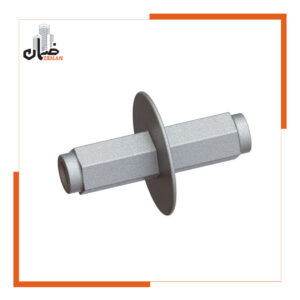
Before execution, concrete pressure must be properly calculated. For tall walls or heavily loaded columns, the spacing between bracing elements (pipes and soldiers) must be reduced. The use of fully threaded tie rods or watertight tie rods is mandatory to resist lateral pressure in double-sided wall formwork.
2. Use of Standardized Connections
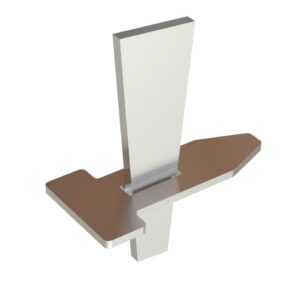
Never use tying wire or scrap reinforcing bars as substitutes for pins and wedges or clamps. Non-standard connections loosen under pressure, causing formwork joints to open and panel edges to deform. The use of high-quality pins and wedges manufactured by Zeman ensures the integrity and alignment of the entire formwork system.
3. Proper Use of Release Agents
Using dedicated formwork release oils (not burnt or waste oil) allows the formwork to separate easily from the concrete during stripping. This eliminates the need for hammering or prying with crowbars, thereby preventing deformation of the panels.
4. Control of Concrete Pouring Rate
Concrete placement should be carried out in layers. For tall walls, each pouring layer should not exceed 1 to 1.5 meters in height. This allows the lower layers to partially set and significantly reduces hydrostatic pressure on the lower formwork panels.
5. Proper Storage and Stacking
After use, formwork panels should be cleaned and neatly stacked on wooden or steel pallets. Irregular stacking, piling panels directly on the ground, or leaving them in muddy conditions leads to corrosion and physical deformation under their own weight.
The Impact of Manufacturing Quality on Resistance to Deformation
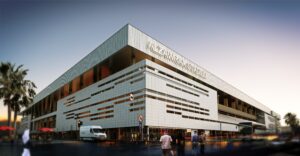
Why do some formwork panels deform after only 10 uses, while Zeman formwork systems remain serviceable for years across multiple projects (such as the Solt Hotel Shiraz Project)?
The Role of Steel Alloy Quality
The use of Mobarakeh Steel sheets with standard ST37 alloy provides the necessary flexibility and tensile strength. Non-standard or scrap steel sheets may be cheaper initially, but they perform poorly under concrete pressure and deform much faster.
Robotic Welding Technology
One of Zeman Company’s key distinctions is its fully robotic production line.
Is Deformed Concrete Formwork Repairable?
This is a question many clients ask after encountering this issue. The answer is “yes and no.”
- Minor repairs: Slightly bent edges or minor burrs can be corrected through precise hammering and grinding.
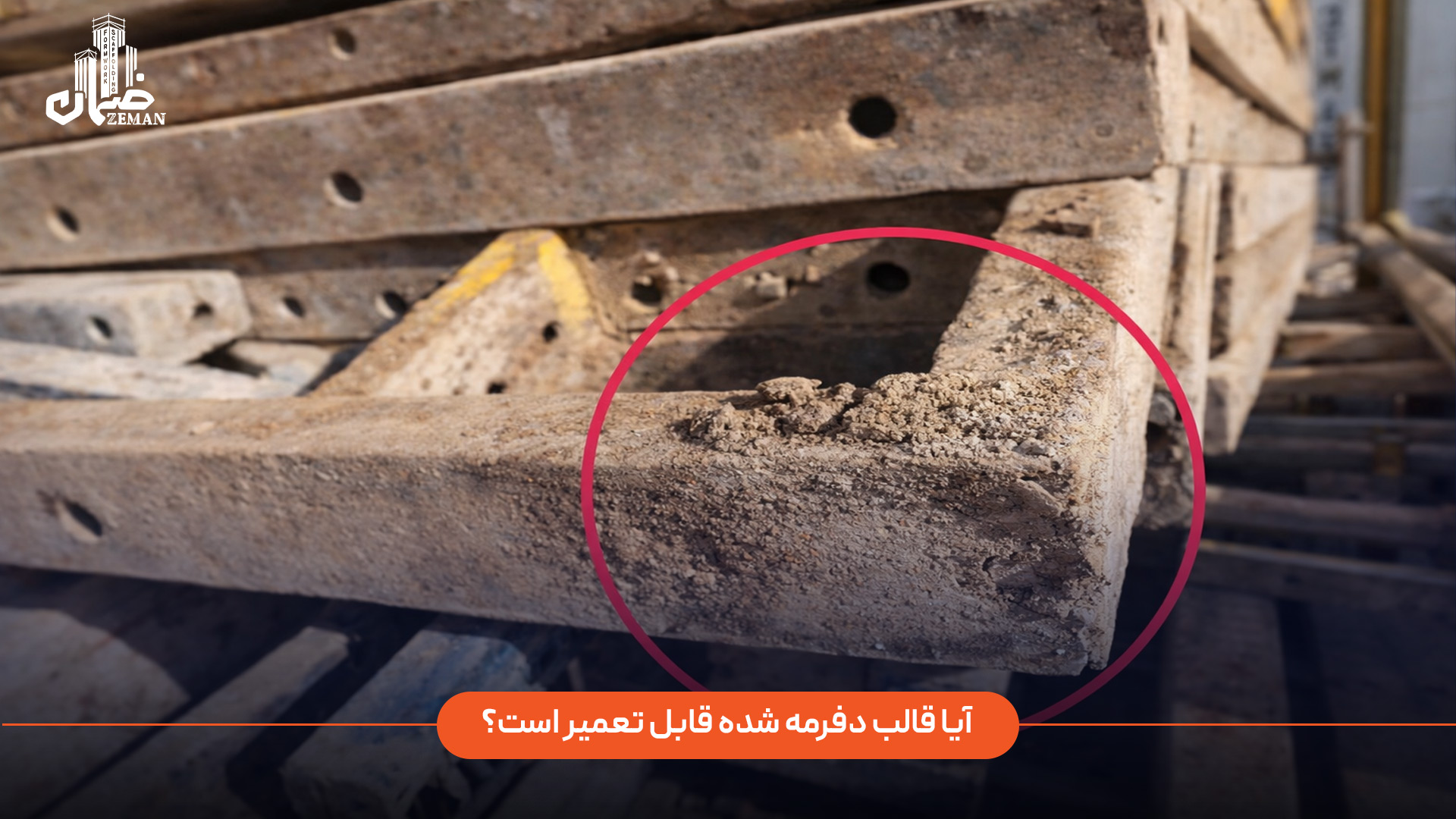
- Major repairs (uneconomical): If the formwork sheet has bulged (Bulging), restoring it to its original condition is usually impossible, or the repair cost (cutting the sheet and re-welding) becomes nearly equal to the price of a new formwork panel or a sound used concrete formwork panel.
- Recommendation: Do not use deformed formwork in exposed concrete areas (architectural or fair-faced concrete). Such panels may still be used in non-visible areas such as foundations, but the best practice is to replace them.
Conclusion: Smart Investment with Assurance
Beton Sazeh Zeman Company, with more than three decades of experience and the use of advanced technologies, manufactures products that maintain their shape and performance even under the toughest jobsite conditions.
Frequently Asked Questions (FAQ)
1. Does used concrete formwork come with a warranty?
Used formwork panels generally do not include a formal manufacturer’s warranty. However, Zeman’s quality control team inspects all outgoing batches to ensure their technical soundness and freedom from deformation.
2. What is the best method for cleaning formwork to prevent deformation?
Using a high-pressure water jet (water jet washer) immediately after stripping the formwork is the best method. Avoid striking hardened concrete with a hammer at all costs.
3. What type of formwork should be used for tall columns to prevent deformation?
For tall columns with large cross-sections, referring to the
Comprehensive Guide to Concrete Column Formwork
and combining modular formwork panels with double channel or pipe stiffeners is strongly recommended.