



As you know, concrete is one of the fundamental materials in construction, which at first glance may appear simple. Owing to its strength, durability, and wide range of applications, it is considered a highly valuable building material. However, these characteristics are not achieved solely through the correct combination of cement, water, and aggregates. Attaining maximum strength and durability is highly dependent on a critical process known as concrete curing.
In this article, we comprehensively examine the concrete curing process: what curing is, how it is performed, the factors affecting it, and how optimal curing conditions can be provided to achieve high-quality and durable concrete structures.
What Is Concrete Curing?
Concrete curing is a process in which moisture, temperature, and time are controlled to ensure that freshly placed concrete hardens properly and achieves its maximum strength and durability. Unlike materials that simply harden by drying, concrete gains strength through a chemical reaction called hydration. During this reaction, cement combines with water to form strong, interlocking bonds. Proper curing supports this reaction and enables concrete to reach its designed structural strength and integrity.
If curing is not performed correctly, the hydration process remains incomplete, resulting in weak, brittle concrete that is prone to cracking and surface defects. Proper curing allows concrete to achieve the desired compressive and tensile strength, ensures long-term performance, and increases resistance to environmental factors.
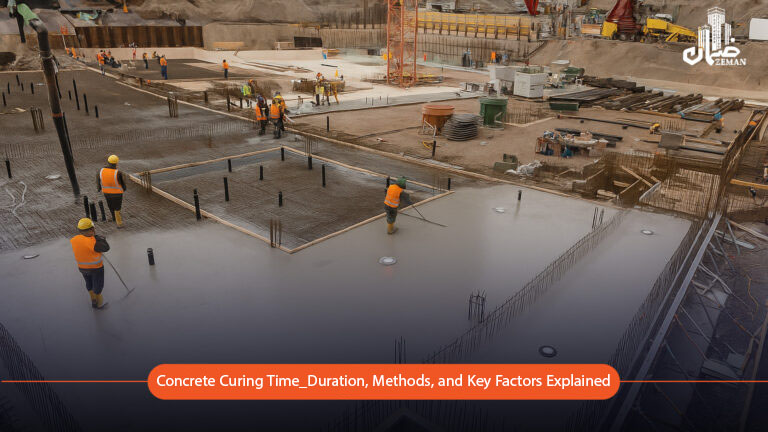
Curing begins immediately after concrete placement and finishing and should ideally start within the first few hours. During this early stage, concrete is most vulnerable to moisture loss caused by wind, sunlight, and high temperatures. Without protection, surface water evaporates rapidly, leading to plastic shrinkage cracks, surface dusting, and reduced strength.
Main Objectives of Concrete Curing
- Maintaining cement hydration to promote strength development.
- Preventing rapid evaporation of surface moisture to avoid cracking and shrinkage.
- Controlling temperature, especially under harsh climatic conditions, to maintain uniform hydration.
- Enhancing surface durability and resistance to abrasion, freeze–thaw cycles, and chemical attack.
Why Is Concrete Curing Important?
Concrete curing is essential because it ensures that concrete remains strong and durable. The strength and durability of any type of concrete—regardless of cement type—depend on the degree of hydration achieved. Proper curing creates a dense microstructure with low permeability, making concrete resistant to water, carbon dioxide, and oxygen ingress.
If concrete dries too quickly, the hydration reaction stops prematurely, reducing long-term strength and durability. This issue is particularly critical for concrete slabs, where surface performance plays a vital role. Inadequate curing can reduce surface strength and hardness by up to 50%, leading to cracking, dusting, and premature deterioration.
To achieve maximum cement hydration, early moisture loss must be prevented. Proper curing ensures that concrete reaches its design strength and expected surface durability.
Key Points in Concrete Curing
- Strength Development: Without curing, concrete cannot achieve the required compressive and tensile strength.
- Durability: Proper curing improves resistance to weathering, freeze–thaw cycles, and chemical attacks.
- Shrinkage Reduction: Preventing rapid moisture loss minimizes cracking.
- Surface Quality: Adequate curing reduces scaling, dusting, and surface flaking.
- Understanding Curing Stages: Under ideal conditions, concrete reaches approximately 75% strength in 7 days and 100% strength in 28 days.
- Temperature Effects: Hot weather accelerates curing, while cold weather slows it down, directly affecting concrete strength and durability.
- Concrete Mix Design: Water–cement ratio and admixtures influence curing time; lower water content requires more careful curing to ensure full hydration.
- Moisture Management: Preventing moisture loss is essential. Methods such as wet curing or curing compounds help ensure proper hydration.
- Special Conditions: In extremely hot or cold weather, mass concrete placements, or structural elements, special curing measures are required to achieve target strength and durability.
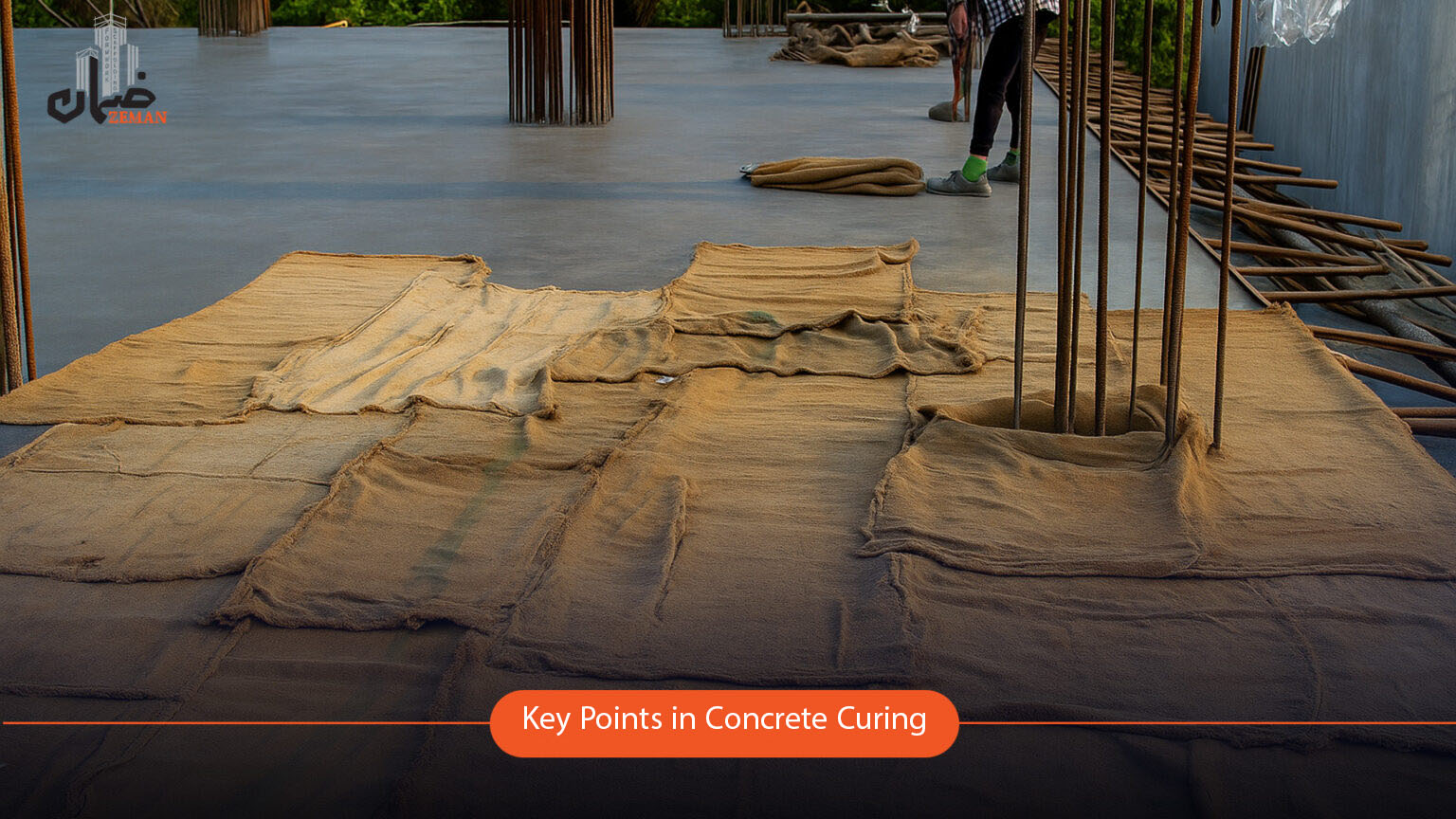
Neglecting or shortening the curing process can result in costly repairs or even structural failure in the future. Therefore, curing is considered one of the most critical stages of any concrete project.
How Long Does Concrete Curing Take?
The duration of concrete curing depends on environmental conditions, cement type, and mix design. However, general guidelines for conventional concrete are as follows:
- Initial set: 24 to 48 hours – concrete hardens enough to be walked on without leaving footprints.
- Partial strength: 7 days – concrete typically achieves about 70% of its final compressive strength.
- Final strength: 28 days – concrete reaches 100% of its design strength under standard conditions.
| Cement Type | Minimum Curing Time (Days) | Ideal Environmental Conditions | Effect on Final Strength |
|---|---|---|---|
| Ordinary Portland Cement (OPC) | 7–28 | Temperature: 10–30°C, Humidity: >80% | Achieves 100% strength at 28 days |
| Rapid-Hardening Cement | 3–7 | Higher temperature for acceleration | Reduced initial setting time |
| Low-Heat Cement | 14–28 | Suitable for mass concrete | Prevents thermal cracking |
| Concrete with Pozzolanic Additives | 10–21 | Continuous moisture | Improved long-term durability |
When Should Concrete Be Cured?
Concrete curing should begin immediately after finishing or texturing the surface. The objective is to keep fresh, vulnerable concrete moist and within an appropriate temperature range (ideally 50–85°F or approximately 10–30°C). One critical but often overlooked factor is maintaining surface moisture during hydration. If the surface dries too early, hydration remains incomplete, and the concrete becomes weak and brittle.
Concrete curing consists of three stages, the duration of which depends on concrete type and environmental conditions:
Initial Stage (Initial Set)
This stage occurs when bleed water appears on the surface. If the evaporation rate exceeds the rate of bleed water rise, initial curing is necessary; otherwise, plastic shrinkage cracks may develop.
Intermediate Stage
If surface finishing is completed before final set, curing is required during this period.
Final Stage
After the final set, bleed water is no longer present, and continuous curing becomes essential.
Evaporation rates can be estimated using the Menzel chart or online calculators. If evaporation exceeds 0.2 lb/ft²/hr, initial curing is mandatory. For decorative concrete, stricter limits apply (0.05–0.1 lb).
Factors Affecting Concrete Curing Time
Understanding factors that directly affect curing is essential, as they determine how quickly concrete achieves its desired strength and durability. Curing is not a fixed-duration process and varies with environmental conditions and material composition.
Temperature, humidity, wind speed, and direct sunlight can increase or decrease the rate of water evaporation from the concrete surface. Additionally, concrete mix design—including water–cement ratio, supplementary cementitious materials, and chemical admixtures—affects hydration rate and curing time.
Concrete thickness also plays an important role; thicker sections retain moisture and heat longer and cure more slowly, while thinner sections dry faster and require extra attention.
Recognizing these variables enables better planning and selection of appropriate curing methods, ensuring optimal strength, durability, and surface quality.
Key Variables in Concrete Curing
1. Temperature
- Temperature directly affects cement hydration rate.
- Optimal temperatures (10–30°C) promote effective curing.
- Cold weather slows or halts hydration, reducing strength.
Hot weather: rapid evaporation → increased need for water spraying or protective coverings.
Cold weather: slowed hydration → requires thermal blankets or insulated formwork.
2. Humidity
- Low humidity: rapid evaporation → early surface drying and strength loss.
- High humidity: reduced evaporation → improved hydration but slower drying.
3. Mix Design
- High water–cement ratio: faster setting, but poor curing leads to reduced strength.
- Admixtures: accelerators speed up curing; retarders delay it.
- Pozzolanic materials such as silica fume or fly ash require longer curing for optimum performance.
4. Cement Type
- Ordinary Portland Cement (OPC): standard 28-day curing period.
- Rapid-hardening cement: faster strength gain → 3 to 7 days.
- Low-heat cement: slower hydration → suitable for mass concrete placements.
5. Concrete Thickness
- Thick sections: better moisture and heat retention → more uniform curing.
- Thin sections: vulnerable to rapid drying → require additional care.
Concrete Curing Methods
Various curing methods exist, each selected based on project conditions, climate, and available resources. Choosing the correct method is essential, as continuous moisture retention and temperature control are critical to achieving desired concrete strength and durability.
Factors such as project scale, weather conditions, water availability, and structural complexity determine the most suitable method. For example, water-based methods such as spraying or ponding are effective for horizontal surfaces in hot, dry climates, while curing compounds are more practical for large projects or regions with limited water resources.
In cold regions, thermal blankets or insulated coverings are necessary to maintain proper hydration temperatures. The ultimate goal of all methods remains the same: providing stable moisture and temperature conditions to achieve optimal concrete performance.
| Curing Method | Advantages | Disadvantages | Typical Applications |
|---|---|---|---|
| Water Spraying / Ponding | Most effective for hydration | High water consumption, labor-intensive | Horizontal surfaces, hot climates |
| Wet Coverings | Good moisture retention | Requires constant monitoring | Vertical surfaces, small projects |
| Plastic Sheeting | Simple and economical | Risk of heat buildup in hot weather | Slabs, dry regions |
| Curing Compounds | Fast and water-free | May affect surface appearance | Roads, bridges |
| Steam Curing | High acceleration | Requires specialized equipment | Precast elements, cold weather |
1. Water Curing (Spraying or Ponding)
- The most effective curing method.
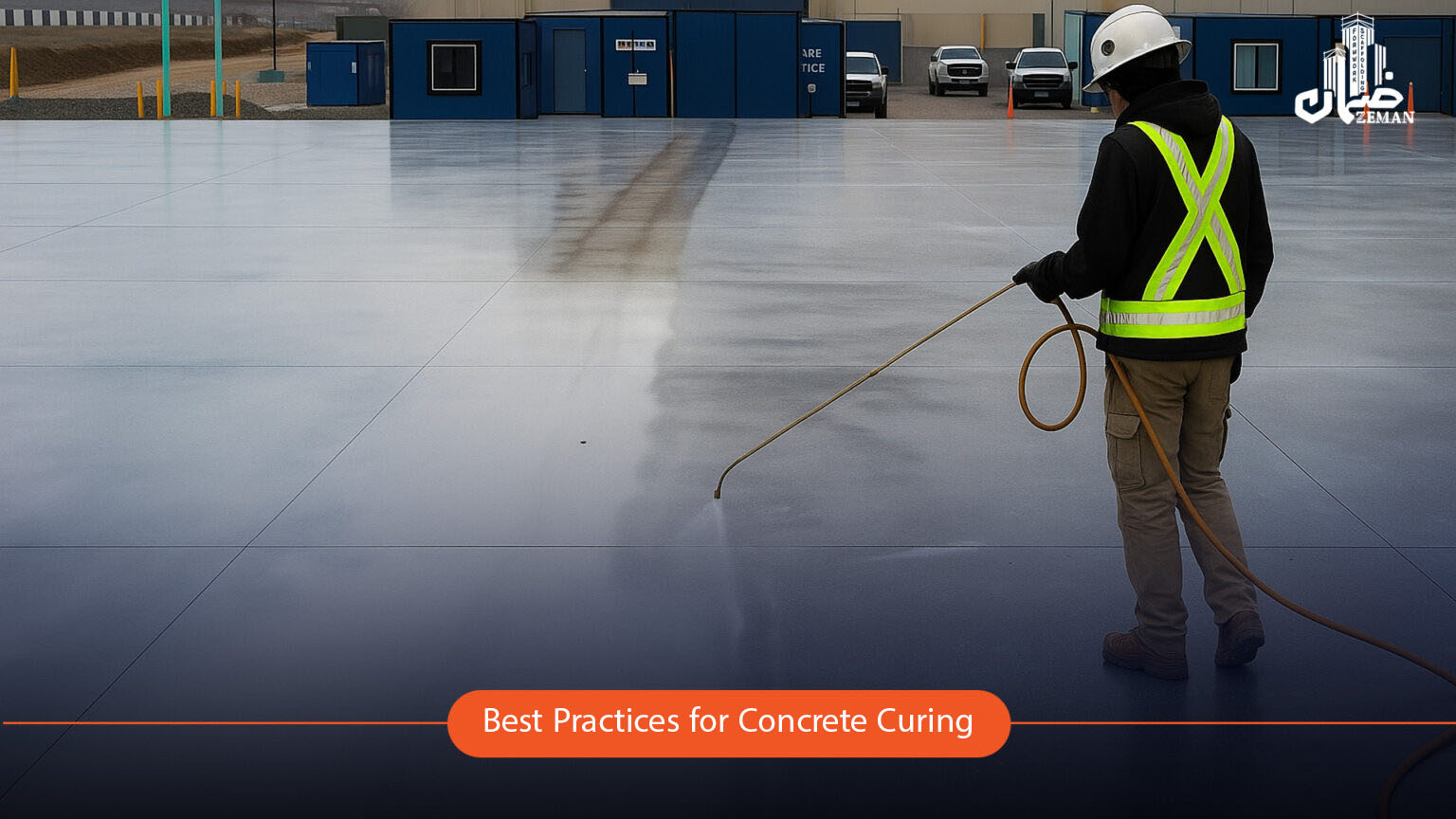
- Includes maintaining a continuous water layer or periodic spraying/misting.
- Applications: horizontal surfaces such as floors and pavements.
2. Wet Coverings
- Use of wet burlap, cotton fabric, or mats to retain surface moisture.
- Must be kept continuously wet.
- Applications: small-scale works or vertical surfaces.
3. Plastic or Membrane Covering
- Use of plastic sheets to trap moisture.
- Must be secured against wind displacement.
- Applications: slabs and areas with limited water access.
4. Curing Compounds
- Liquid compounds sprayed on fresh concrete to form an evaporation barrier.
- Applications: roads, bridges, and industrial floors.
5. Steam Curing
- Specifically used for precast concrete elements.
- Heat is applied via steam to accelerate curing.
- Applications: precast concrete and cold-climate conditions.
Difference Between Curing Time and Drying Time
- Residential slabs: minimum 7 days of curing to achieve sufficient strength.
- Roads and sidewalks: 7–10 days of curing to withstand traffic loads and weather exposure.
- Structural elements (beams and columns): 14–28 days to reach full load-bearing capacity.
- Industrial floors: minimum 14 days of curing for abrasion resistance and heavy loading.
- Precast concrete: steam curing typically achieves required strength within 24–72 hours.
- Decorative concrete: minimum 7 days of curing before applying coatings or sealers.
Best Practices for Concrete Curing
- Maintain sufficient and continuous moisture.
- Support the cement hydration process.
- Control temperature under extreme weather conditions.
- Prevent shrinkage, cracking, and surface quality degradation.
- Enhance resistance to abrasion, freeze–thaw cycles, and chemical attack.
Common Mistakes in Concrete Curing
- Failure to maintain adequate moisture → reduced strength and durability.
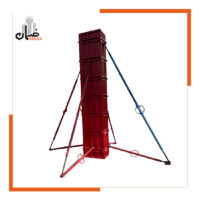
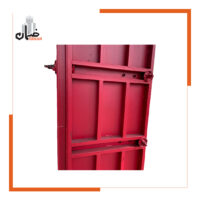
- Early removal of modular steel formwork → cracking and deformation.
- Shortening the curing period → lower final strength.
- Poor temperature control → rapid evaporation in heat or halted hydration in cold.
- Ignoring environmental conditions → wind and low humidity accelerate surface drying.
- Incorrect use of curing compounds → surface inconsistency or discoloration.
- Over-curing → potential surface defects or other issues.
Conclusion
Concrete curing is one of the most critical stages in the concrete life cycle, directly affecting strength, durability, and performance. The general rule is a 28-day curing period; however, factors such as temperature, humidity, mix design, and structural type can alter the actual required duration. By selecting appropriate curing methods and following sound curing principles, long-term durability and optimal concrete performance can be ensured. Whether you are constructing a simple backyard slab or a multi-story building, concrete curing is not optional—it is essential.