




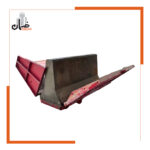
Tunnel Formwork
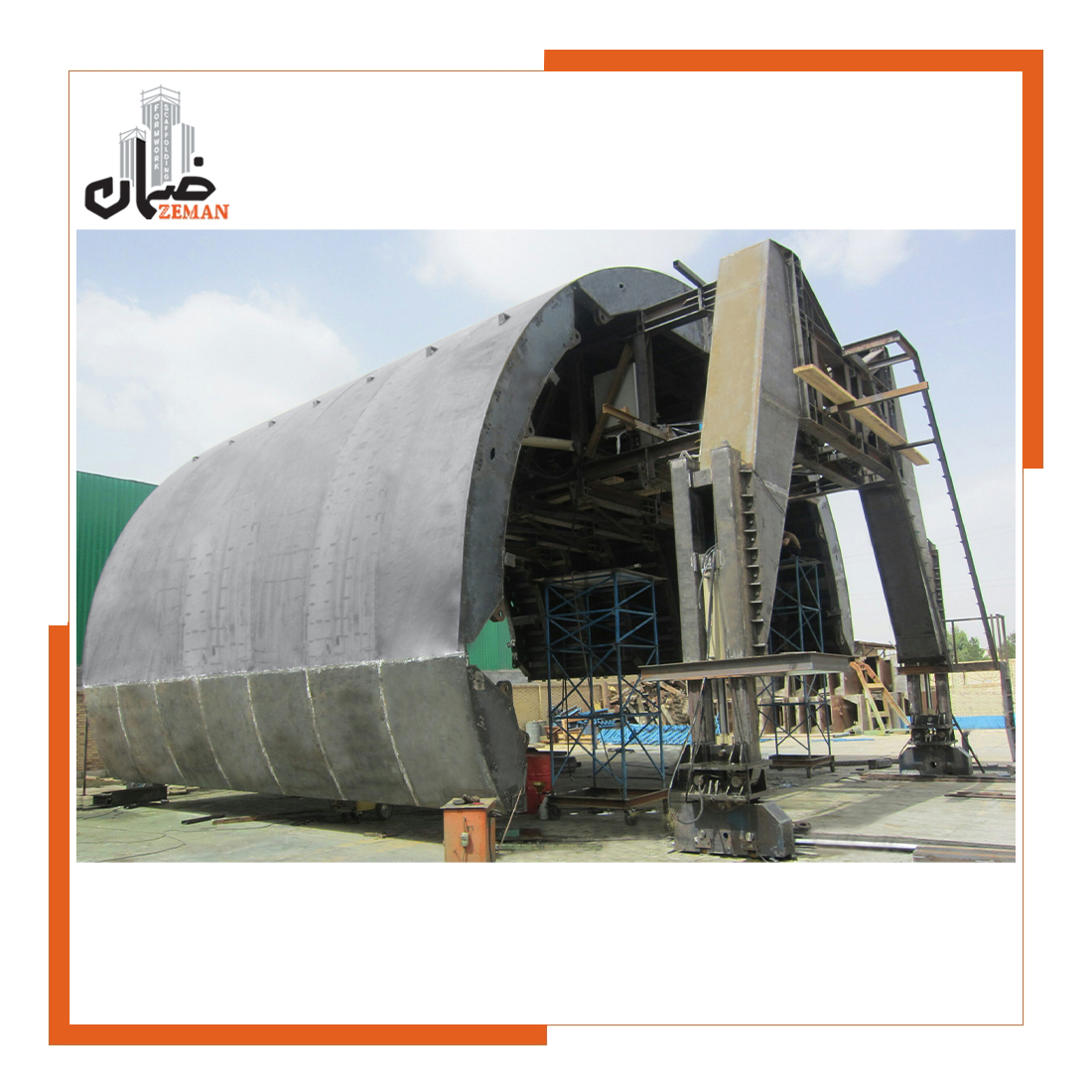
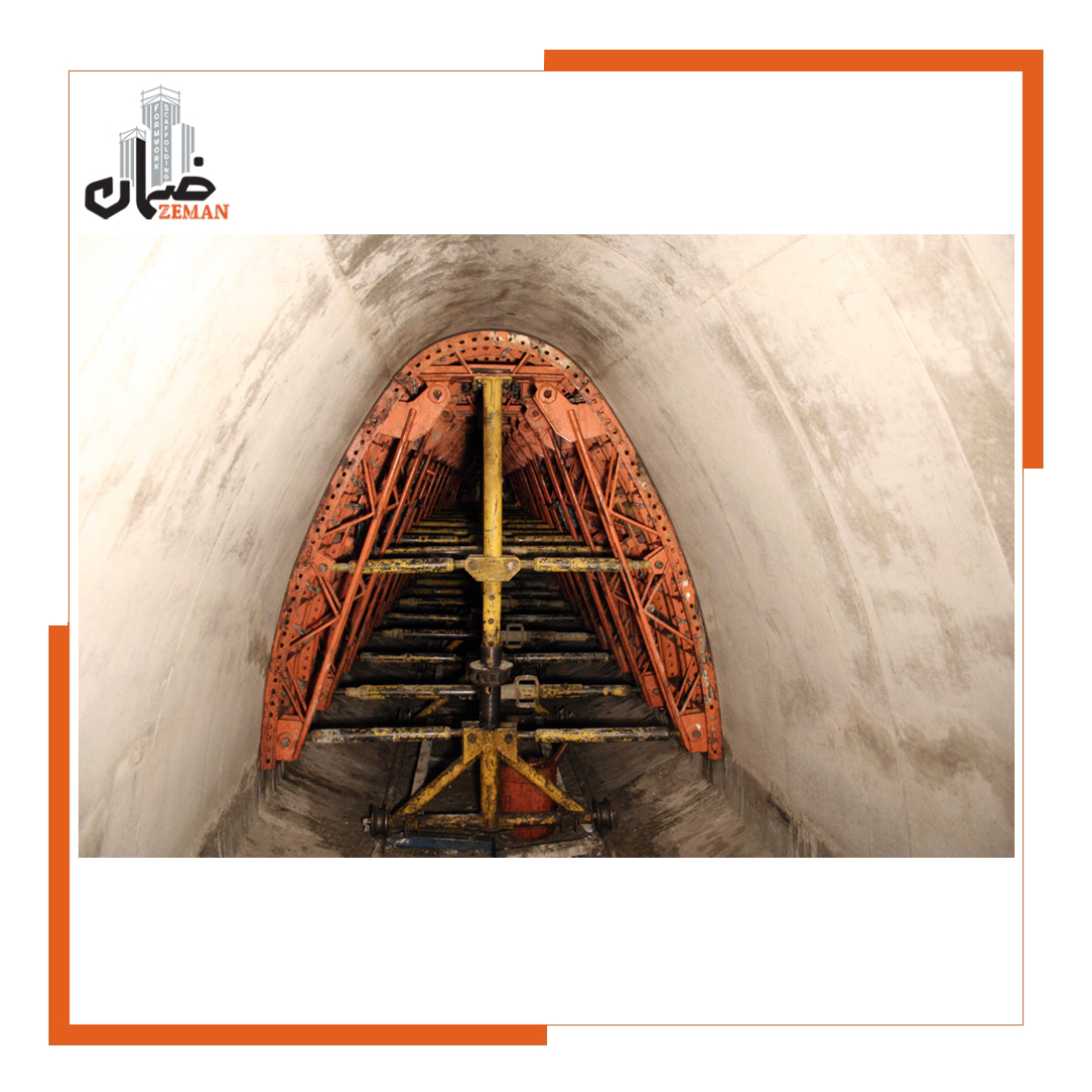
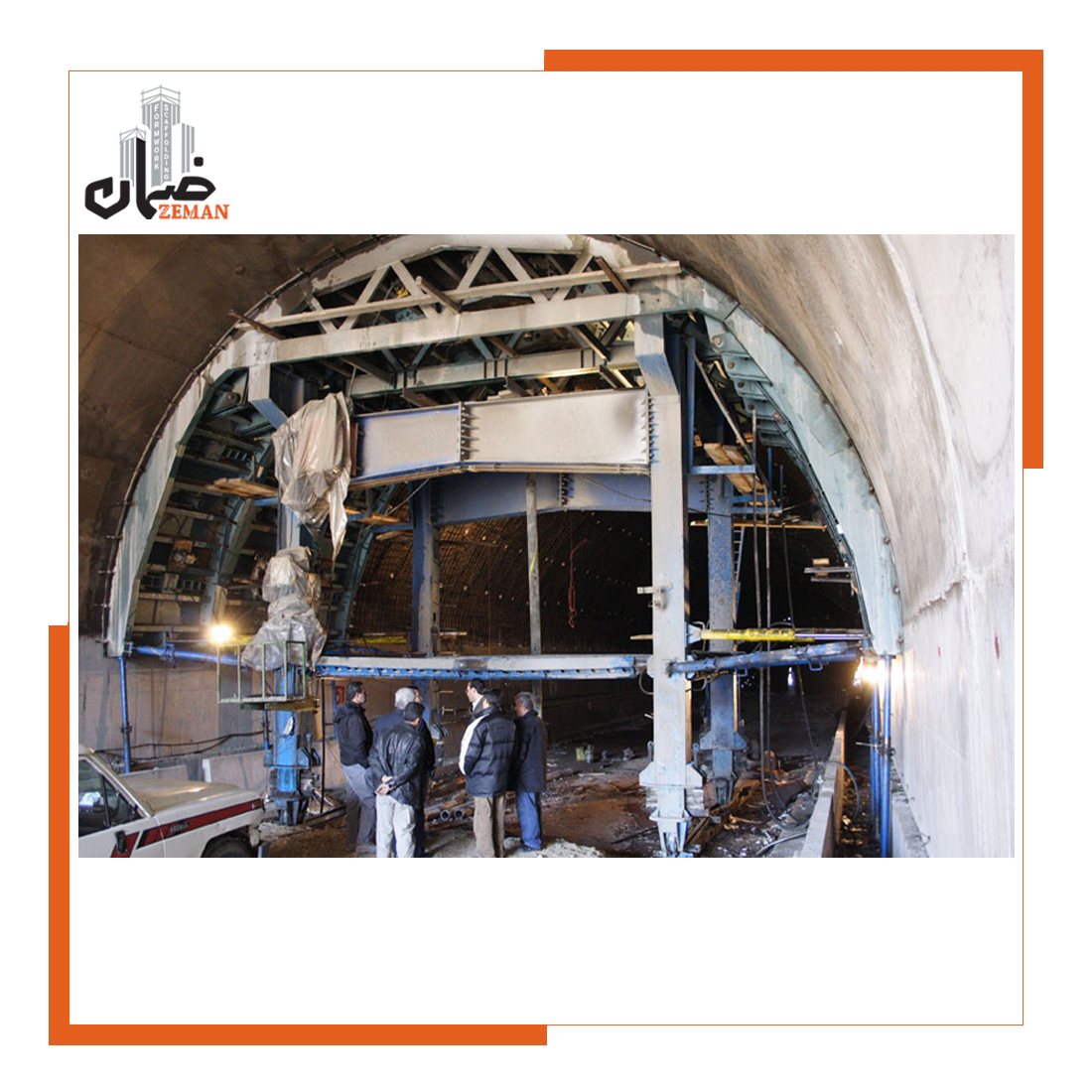
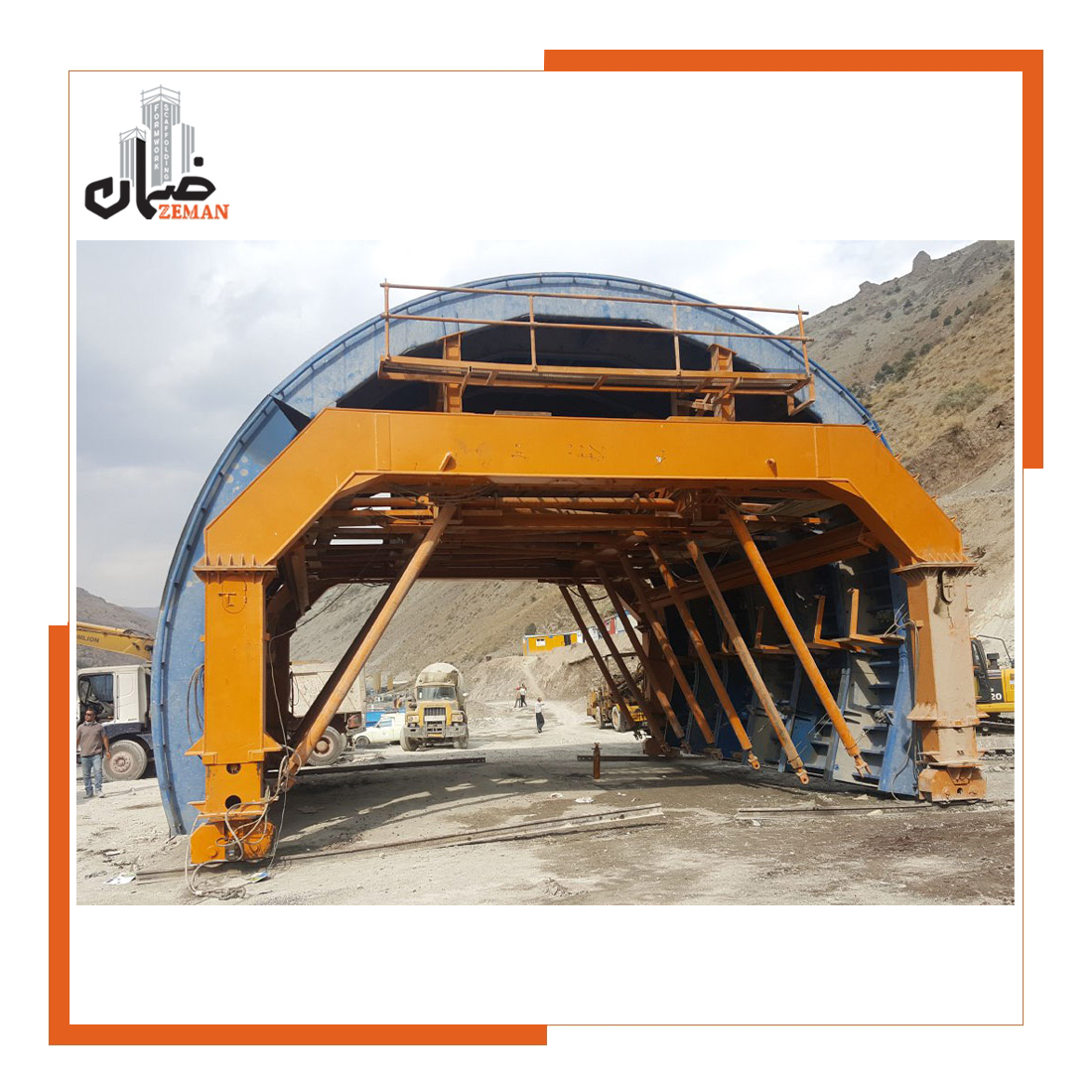
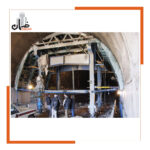
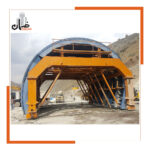
- Used for the lining of waterways, culverts, diversion tunnels, and shafts.
- Two types of tunnel formwork systems are available: hydraulic and mechanical.
- In hydraulic tunnel formwork, the opening and closing operations are performed using hydraulic jacks.
- Mechanical tunnel formwork systems are opened and closed by means of manual or oil‑operated jacks.
- Hydraulic tunnel formwork is suitable for large cross‑sections due to the heavy weight of the formwork segments.
- Mechanical tunnel formwork is mainly used for smaller sections and presents limitations in the internal space of the formwork.
- The lining of a conduit is typically executed in two stages: first the invert (floor) lining, followed by the lining of the walls and crown (roof).
Tunnel Formwork
Tunnel formwork is used for the lining of waterways, culverts, diversion tunnels, and shafts. From the perspective of opening and closing mechanisms, tunnel formwork systems are generally classified into two main categories:
- Hydraulic tunnel formwork
- Mechanical tunnel formwork
In hydraulic tunnel formwork systems, the opening and closing of the formwork segments are carried out by means of hydraulic jacks. In mechanical tunnel formwork systems, this operation is performed using manual or oil‑operated screw jacks. Hydraulic systems are typically employed in large cross‑sections due to the considerable weight of the formwork segments. In contrast, the use of hydraulic mechanisms in small‑scale tunnel formwork is technically challenging and may cause spatial constraints within the internal area of the tunnel formwork.
The lining of a conduit is usually executed in two stages. First, the invert lining (floor lining) is carried out using a bottom formwork or invert template. Subsequently, the lining of the walls and the crown (roof) is completed.
Get expert advice
Our sales experts at Zaman are ready to provide guidance and advice before your purchase.

Reviews
There are no reviews yet.